- All
- Product Name
- Product Keyword
- Product Model
- Product Summary
- Product Description
- Multi Field Search

Views: 222 Author: Ann Publish Time: 2025-11-08 Origin: Site


Content Menu
● Why Bread Knives Matter for Brands
● Key Design Features of a Superior Bread Knife
>> Blade geometry and edge retention
>> Blade materials and heat treatment
>> Handle ergonomics and safety
>> Logo placement and branding opportunities
>> Blade shaping, grind, and finish options
>> Handle materials, ergonomics, and coatings
>> Packaging, inserts, and branding collateral
● Manufacturing Process Overview
>> Steel selection and heat treatment
>> Forging vs stock removal for bread knives
>> Edge grinding, honing, and quality control
>> Handle attachment, engraving, and final assembly
● Design Guide for Bread Knife Brands
● Market Trends and Opportunities
>> Customization as a competitive advantage
● Quality Assurance and Compliance
● How to Start with Custom Logo Bread Knives
>> Minimum order quantities and cost considerations
>> After-sales support and warranties
● FAQ
>> Q1: What is the typical lead time for custom Bread Knife orders?
>> Q2: Which materials are best for Bread Knives?
>> Q3: How is logo durability ensured on blades and handles?
>> Q4: Can different colors or finishes be mixed within a single order?
>> Q5: What certifications or compliance standards apply to Bread Knives?
This article presents a comprehensive guide for brands, retailers, and wholesalers seeking bespoke OEM solutions in the bread knife category. As a China-based factory specializing in kitchen cutlery, the company offers end-to-end customization, from logo branding and blade geometry to handle ergonomics and packaging. Bread knives are a vital tool in professional kitchens and home setups alike, delivering consistent performance for slicing through crusty loaves and soft interiors. By partnering with a factory that can produce high-quality Bread Knife products under a client's own logo, brands can differentiate their lines, accelerate time-to-market, and strengthen consumer trust through uniform quality and clear branding.

Bread knives are more than utility tools; they carry brand storytelling through design, material choice, and finish. A well-branded Bread Knife communicates quality, reliability, and a chef-approved experience. For brands, a distinctive bread knife line can extend a kitchenware ecosystem, support cross-category promotion, and improve perceived value in both brick-and-mortar and online channels. The bread knife's serrations, blade geometry, and handle comfort are all areas where OEM customization can reinforce branding and, importantly, user satisfaction. For retailers and wholesalers, consistent supply, traceable quality, and the ability to offer exclusive logo-editions enhance competitiveness in crowded marketplaces.
The Bread Knife relies on a robust serrated or scalloped edge designed to grip bread crust while minimizing crushing of the crumb. Serration spacing, tooth shape, and edge angle influence cutting efficiency and longevity. Materials with strong wear resistance and corrosion resistance help maintain edge sharpness between service cycles.
Common choices include high-carbon stainless steels and specialty alloys that balance hardness with flexibility. Heat treatment schedules—normalizing, hardening, and tempering—determine the blade's toughness and edge stability under repeated slicing. For premium lines, some brands explore layered constructions (e.g., damascus-inspired patterns) that add visual appeal without compromising performance.
A comfortable, balanced handle reduces fatigue during long prep sessions and supports precision when slicing through dense bread. Ergonomic shapes, non-slip coatings, and moisture-resistant scales contribute to safer operation. For OEM programs, handle material options (wood, composites, or polymers) can be matched to branding aesthetics and regional usage expectations.
Potential placements include the blade ricasso, blade flats near the handle, or the handle scales. Engraving or laser etching can deliver durable branding that withstands repeated washing and pantry use. Logo size and edge clarity should be optimized to preserve blade performance and avoid interference with cutting.
Customization can cover blade width, spine shape, tip geometry, and serration style. Finishes may range from polished to satin to matte, with coatings that resist staining and fingerprints where appropriate. A quality program considers how finish choices affect corrosion resistance and cleaning ease in various kitchen environments.
Options span wood, resin, and composite materials, each with distinct tactile feel, weight, and moisture tolerance. Coatings or texturing can improve grip in warm or wet kitchens. Color-matching and branding imprints on handles provide additional branding opportunities.
Custom packaging, care instructions, and branded inserts enhance consumer perceived value. OEM packaging can incorporate nutritional or care guidance, usage tips, and warranty information in multiple languages to support global sales.
Selecting appropriate steel grades balances hardness, toughness, and corrosion resistance. Heat treatment parameters must be tuned to achieve the desired Rockwell hardness while minimizing brittleness, ensuring consistent edge retention.
Forged blades often offer superb grain structure and toughness, while stock removal can achieve tighter tolerances and faster production. The choice depends on volume, budget, and performance targets. Either approach should be integrated with a robust QA plan to ensure consistent geometry and finish.
Precision grinding, serration formation (if applicable), and controlled honing produce a reliable edge profile. Quality control includes hardness testing, microstructure checks, and edge retention tests to ensure each batch meets defined specifications.
Secure tangs, robust rivets or pins, and properly aligned scales ensure enduring assembly. Laser engraving or stamping can apply logos or branding marks on the blade or handle without compromising performance.
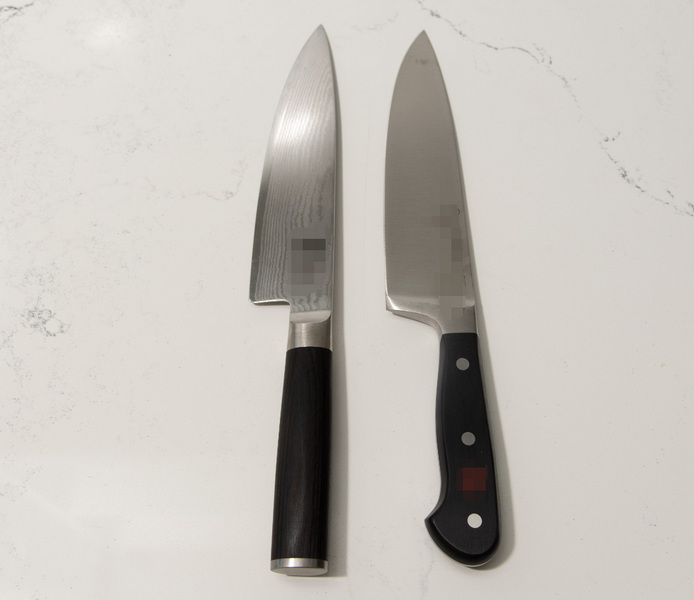
Blade width, spine geometry, and tip style influence the knife's visual identity and balance. A clean silhouette with a branded finish communicates professionalism and consistency across product families.
Serrated versus plain-edge choices affect performance for different bread types. An offset blade can reduce knuckle contact with cutting boards. The balance between form and function should reflect the intended user base, whether professional kitchens or home cooks.
Product families should share a cohesive design language, enabling easy cross-selling and streamlined marketing. Consistent branding across blades, handles, packaging, and imaging strengthens brand recognition.
The bread knife segment benefits from growing interest in premium kitchen toolsets, home baking trends, and the popularity of branded cookware lines. Regions with rising disposable income and interest in culinary excellence represent key growth opportunities.
Offering logo-ready branding, diverse finish options, and scalable MOQ strategies allows brands to differentiate while maintaining cost efficiency. OEM capabilities enable faster adaptation to seasonal campaigns and regional preferences.
Food-grade materials, safe coatings, and regulatory compliance (e.g., lead-free finishes, approved plastics) are essential for global markets. Documentation such as material certificates and compliance sheets support brand trust.
Edge retention tests, corrosion resistance assessments, and dimensional checks ensure products meet defined tolerances. Routine audits in manufacturing and supplier qualification help sustain consistent quality across runs.
A standardized RFP process clarifies requirements: logo placement, blade geometry, handle material, finishes, packaging, and certification needs. Transparent lead times enable accurate project planning and milestone tracking.
MOQs depend on production method, material choices, and customization complexity. A clear cost strategy, including tooling, branding, and packaging, helps brands forecast budgets and ROI.
Clear warranty terms, replacement policies, and post-purchase support create long-term brand loyalty. Documentation and responsive service enhance customer satisfaction and repeat business.
Custom Logo Bread Knives offer brands a powerful vehicle to communicate quality, consistency, and culinary confidence. Through deliberate material selection, blade geometry, ergonomic handles, and meticulous branding, OEM programs can deliver a coherent product narrative across global markets. Partnering with a capable manufacturer ensures reliable lead times, scalable production, and rigorous quality control. A well-executed branding strategy for Bread Knife products not only elevates the product line but also strengthens retailer relationships and consumer trust.
A1: Lead times depend on design complexity, material selection, and production volumes. A typical development cycle includes design approval, tooling (if forging or special molds are required), sample validation, and mass production, with ongoing production schedules for replenishment orders. Bread Knife projects can range from several weeks to a few months, depending on customization depth. [Bread Knife] [OEM] [Lead Time]
A2: Common options include high-carbon stainless steels for a balance of edge retention and corrosion resistance, with alternate choices like full stainless or specialty alloys for specific performance needs. Damascus-inspired laminates offer aesthetic appeal while maintaining practical cutting performance. [Bread Knife] [Material] [OEM]
A3: Logos can be applied via laser engraving, etched marks, or embedded in handle materials during molding or lamination. Proper preparation of surfaces and appropriate finishes help ensure legibility and resistance to washing and wear. [Bread Knife] [Logo] [Branding]
A4: Yes, customization programs can support multiple finishes or colors across SKUs, subject to tooling capabilities and production planning. This enables branded assortments that appeal to diverse market segments. [Bread Knife] [Finish] [Customization]
A5: Compliance typically covers food-contact safety, material traceability, and regulatory requirements in target markets. Certifications may include food-grade materials, safety testing, and importer-specific documentation. [Bread Knife] [Compliance] [Certification]


