- All
- Product Name
- Product Keyword
- Product Model
- Product Summary
- Product Description
- Multi Field Search

Views: 222 Author: Ann Publish Time: 2025-11-14 Origin: Site


Content Menu
● What defines an ergonomic Pizza Cutter
● Materials and build quality for comfort
● Designing for different pizzas and crusts
● Safety features that improve comfort
● OEM opportunities for brand partners
● Market trends and competitive landscape
● Real-world use cases and maintenance
● Case for China-based OEM partners
● FAQ
>> How does blade width affect comfort and cutting performance?
>> What maintenance practices extend the life of a Pizza Cutter?
>> Are there safety features that do not compromise ergonomics?
>> How can OEM customization align with brand storytelling?
>> What considerations matter most for international markets?
In professional kitchens and home setups alike, the pizza cutter is more than a simple tool—it is a tactile interface between the cook and the crust. An ergonomic pizza cutter reduces effort, enhances control, and produces consistently even slices, which matters for portion control, presentation, and customer satisfaction in brand-driven OEM scenarios. This article explores how ergonomic design, material choices, and thoughtful OEM processes coalesce to deliver superior Pizza Cutter performance for international brands, wholesalers, and manufacturers seeking dependable manufacturing partners in China.
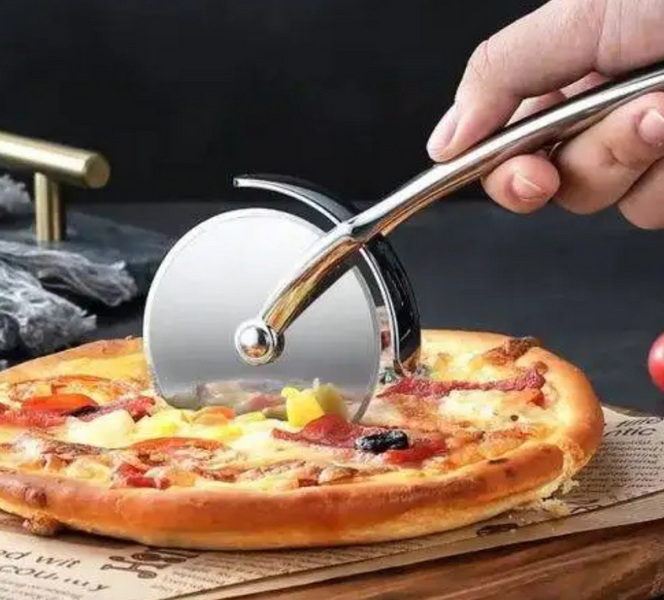
- The core idea of ergonomics in a pizza cutter is minimizing grip fatigue while maximizing control. A well-designed handle shape distributes pressure across the palm, fingers, and thumb, reducing localized strain during repetitive cuts. This promises faster throughput in busy kitchens and steadier results during high-volume production runs for OEM projects.
- Balance and weight distribution matter as much as blade geometry. A suitably weighted cutter feels “in tune” with the wrist, allowing precise, confident motions without compensatory hand movement. For brand partners, this translates into a consistent user experience across lots and across regions.
- The interaction between blade edge geometry and handle grip defines cutting efficiency. A sharp, durable blade paired with a comfortable handle yields clean cuts through thin and thick crusts alike, reducing tearing and crumb loss—key for upscale restaurant and retail applications.
- Blade materials: stainless steel alloys (often 304/410 variants) offer corrosion resistance, ease of cleaning, and edge retention suitable for frequent use. In high-end applications, hardened steel or carbide-enhanced edges may provide longer service life under heavy usage.
- Handle materials: options range from polymer composites with textured surfaces to cushioned grips and stainless-steel cores capped with ergonomic contours. Texturing improves grip wet or oily hands, while soft-tack materials can dampen vibration and reduce fatigue. For OEM buyers, selecting materials with consistent supply and regulatory compliance is a foundational consideration.
- Construction methods: forged or stamped blades, securely bonded handles, and riveted or seamless junctions contribute to durability and a premium feel. A robust joint design reduces blade wobble and prolongs lifecycle under commercial use.
- Pizza complexity varies by crust thickness, toppings, and bake duration. A versatile Pizza Cutter accommodates both thin- and thick-crust scenarios, maintaining control whether slicing a Neapolitan pie or a deep-dish variant. Ergonomic considerations include grip angle, blade width, and clearance to prevent toppings from clinging to the blade.
- Multi-functional potential: some designs integrate a protective guard, a built-in selector for blade angle, or a detachable blade for easy maintenance. For OEM collaborations, modular designs can enable tiered product lines across brand portfolios while keeping production streamlined.
- Safety-conscious design reduces the risk of incidental injuries without compromising cutting performance. Features such as blade guards, locking mechanisms, and easy-disassembly for cleaning are particularly valued in professional settings where turnover is high and sanitization standards are strict.
- Dishwasher-safe constructions with corrosion-resistant blades minimize maintenance effort and downtime, contributing to a smoother workflow in busy kitchens and distribution facilities.
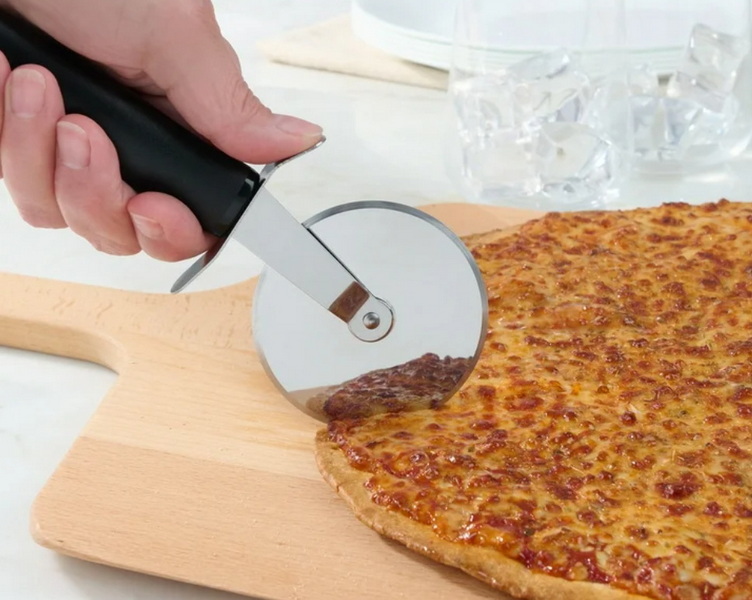
- Customization breadth: for brands seeking a distinctive identity, options include blade width, blade finish (polished, satin, or matte), handle geometry, color, branding on the blade or handle, packaging variants, and certification labeling. A flexible OEM program reduces time-to-market and enables regional adaptations.
- Compliance and quality control: consistent tolerances for blade sharpness, edge retention, and joint integrity translate into predictable performance across batches. Transparent quality documentation and traceability support regulatory requirements in global markets.
- Packaging and marketing support: mockups, product photography guidelines, and video demos can be delivered as part of a turnkey OEM package, reinforcing the brand narrative in international markets.
- The Pizza Cutter market continues to evolve with emphasis on ergonomic comfort, hygiene, and durable materials. Buyers increasingly seek tools that perform consistently in a range of settings—from home kitchens to professional pizzerias—paired with reliable OEM supply chains.
- Competitive differentiation often rests on grip feel, blade durability, ease of cleaning, and overall aesthetic alignment with brand storytelling. A factory with strong design-to-manufacture capabilities can offer shorter lead times and more responsive product iterations for international clients.
- Use case 1: a high-volume pizzeria requires cutters that deliver clean slices with minimal effort, even after hours of continuous slicing. Ergonomic handles and sharp blades reduce fatigue and improve throughput.
- Use case 2: a boutique brand seeks a stylish cutter that complements premium packaging and tabletop presentation, leveraging bespoke finishes and branding.
- Maintenance tips: rinse and dry after use, avoid prolonged exposure to moisture on non-stainless components, and periodically re-sharpen or replace blades according to wear. For OEM partners, providing maintenance guidelines with packaging enhances customer satisfaction and reduces service inquiries.
- China-based factories specializing in kitchen tools can offer scalable production, consistent quality, and cost-competitive options for global brands. The ability to tailor ergonomic studies, material selections, and aesthetic details helps brands differentiate in crowded markets.
- A transparent supply chain, rigorous quality checks, and the ability to support diverse certifications (e.g., food-grade standards, dishwasher safety, and material traceability) are foundational pillars for sustained partnerships.
Ergonomic design, robust materials, and thoughtful OEM capabilities come together to create Pizza Cutter solutions that deliver comfort, precision, and reliability across markets. For international brand partners and distributors, engaging with a capable Chinese OEM partner who can tailor blade geometry, handle ergonomics, and branding elements ensures a scalable pathway to superior performance and customer satisfaction.
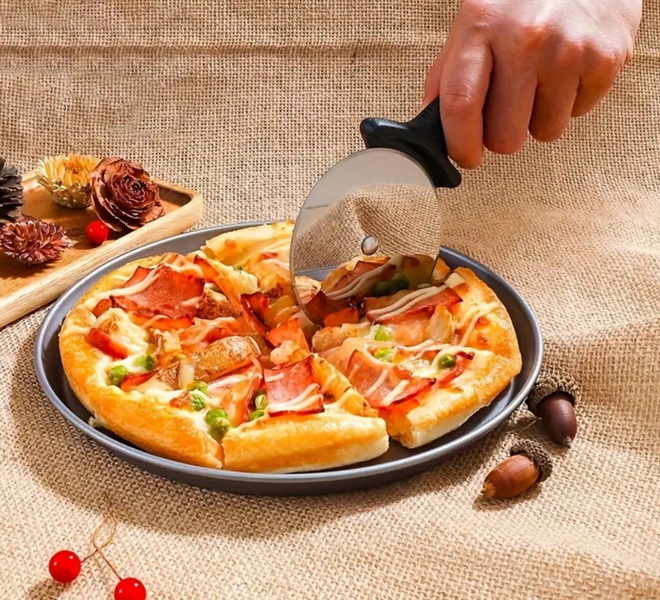
A wider blade can offer more leverage for heavy crusts but may require a larger grip and more wrist movement. An optimized width balances control with agility for different crust types.
Regular cleaning, thorough drying, and periodic edge care (sharpening or replacement) help preserve edge integrity and prevent corrosion on metal components.
Yes. Blade guards, locking mechanisms, and easy-disassembly designs can enhance safety without adding bulk or weight that would hinder comfort.
Custom branding on handles or blades, color options, and packaging design enable a cohesive brand narrative from unboxing to daily use.
Material compliance, ease of cleaning, and reliable supply chains are critical to meeting diverse regulatory requirements and consumer expectations.


