- All
- Product Name
- Product Keyword
- Product Model
- Product Summary
- Product Description
- Multi Field Search

Views: 222 Author: Ann Publish Time: 2025-11-12 Origin: Site


Content Menu
● Why cutter type matters in home use
>> Blade Material and Sharpness
>> Wheel Diameter and Cutting Radius
>> Handle Ergonomics and Grip Security
>> Cleaning and Dishwasher Safety
● Materials Science and Hygiene Considerations
>> Stainless steel vs carbon steel
>> Coatings and coatings durability
● Sizing and Storage for Home Kitchens
● Budgeting: Value vs. Longevity
>> Mid-range
● Using a Pizza Cutter Properly
● Brand and OEM Considerations for Overseas Partners
>> Material sourcing and customization
● FAQs
>> What type of pizza cutter is best for home use?
>> Are stainless steel or carbon steel pizza cutters better?
>> Can pizza cutters be dishwasher safe?
>> How do I keep the edge sharp longer?
>> Which handle design is most comfortable?
Pizza cutter is more than a simple kitchen tool; it is a gateway to perfect slices, cleaner counters, and faster prep in a busy home kitchen. For families, hobby bakers, and home chefs who bake regularly, choosing the right pizza cutter can dramatically improve cutting speed, evenness, and hygiene. This guide covers the essential considerations when selecting a pizza cutter for home use, with practical buying tips, maintenance advice, and design insights that matter for both end users and brand partners exploring OEM opportunities.

There are several core designs, each with its own strengths and trade-offs. Understanding these will help you pick a cutter that fits your cooking style and storage constraints.
The classic rolling wheel is the most common design. A circular blade mounted on a handle lets you roll through the crust with a smooth, continuous motion. Best for evenly sliced pizzas with consistent thickness. They're generally easy to clean, though blade guards improve storage safety.
A rocker cutter uses a wide, curved blade that pivots on a handle, allowing you to press down in a chopping motion. This design can cut multiple slices at once and is favored by some home cooks for thicker-crust pies. Cleaning is straightforward when detached parts are minimized.
Scissor-style cutters resemble kitchen shears and can be especially effective for delicate toppings or small pizzas, offering precise control and minimal fatigue. They are compact and typically easy to store, though blade upkeep may require more frequent sharpening.
Smaller or uniquely shaped cutters can be useful for guided cuts on personal pizzas or for cutting dough into shapes for kids' meals. Some models include built-in measurements or guides.
- Cutting speed and consistency: Wheel cutters offer rapid slices on standard pizzas; rockers can manage crusts and toppings in one motion; scissors offer precision for small pies.
- Ergonomics and fatigue: Handle shape, weight distribution, and grip material influence comfort during longer sessions.
- Cleaning and maintenance: Detachable blades or simple disassembly can simplify washing; dishwasher compatibility varies by model.
- Storage: Size and form factor impact drawer space and wall-hanging options.
Stainless steel blades resist rust and are typically easier to maintain; carbon steel blades can be sharper but may require more care to prevent corrosion. Some models incorporate coatings (PTFE or ceramic-like surfaces) to reduce food sticking. Sharpening ease and edge retention are crucial for long-term performance.
Larger wheels generally handle large pizzas more efficiently but can be harder to store and harder to sharpen; smaller wheels offer precision in tight spaces. For even slicing, wheel geometry and the edge profile matter.
A comfortable, non-slip handle reduces hand fatigue and improves control, especially when cutting thick crusts or slicing many pizzas in one session. Textured or rubberized grips are common enhancements.
If dishwasher compatibility is important, verify whether detachable blades or fully dishwasher-safe components are possible. Many home users prefer dishwasher-safe models for ease of maintenance.
Consider the availability of replacement blades or wheel assemblies, the ease of disassembly for cleaning, and the general build quality to withstand frequent use.
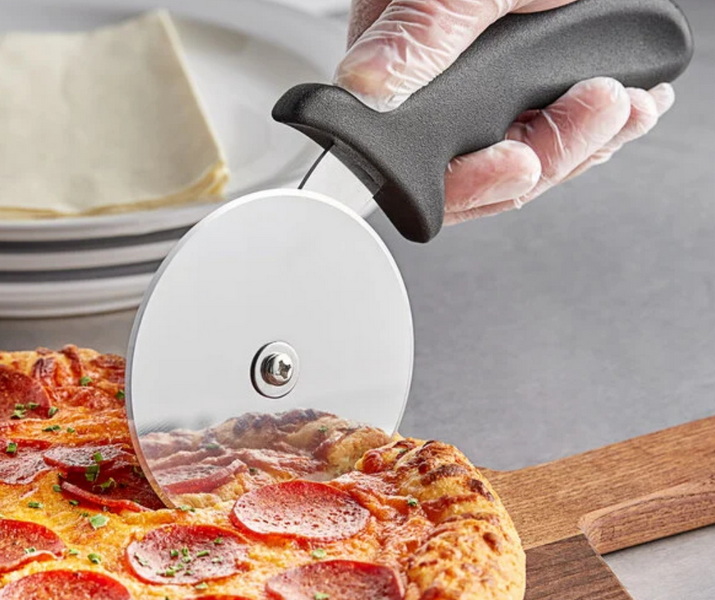
Stainless steel offers corrosion resistance and low maintenance, making it a popular choice for kitchen tools. Carbon steel can deliver a sharper edge but requires seasoning and careful drying to prevent rust. The choice affects longevity and hygiene in food contact environments.
Non-stick or anti-adhesion coatings can reduce dough buildup but necessitate compatible cleaning methods. Food-grade coatings must meet safety standards and not impart flavors or residues.
Ensure that materials and finishes comply with relevant food-contact safety regulations, which is especially important for OEM partnerships that target international brands.
Home-use pizza cutters range roughly from 2.5 to 4 inches in wheel diameter, with variation in handle length and overall footprint. A balanced size aligns with common pizza diameters and kitchen countertop clearance.
Consider magnetic hooks, wall racks, or drawer organizers to prevent blade contact and to prolong tool life. Some models offer integrated blade guards or sheathes for safe storage.
Lower-cost cutters are suitable for occasional use or as travel backups. They usually have simpler construction and may require more frequent sharpening or replacement.
Mid-tier cutters typically offer improved materials, better grip, and some degree of dishwasher safety, representing a favorable balance of price and performance.
High-end cutters emphasize durability, premium materials, ergonomic handles, and advanced wheel geometry. They often include warranties and easy access to spare parts, contributing to lower total cost of ownership over time.
Use a steady, controlled motion, preferably with the wheel rolling along the crust rather than pressing straight down. Keep fingertips away from the edge and consider using a cutting board that supports full clearance.
Rinse and dry promptly after use; wipe down with a mild detergent if needed. For metal wheels, occasional light oiling on moving parts can reduce stiffness, followed by thorough wiping to avoid any oil contact with food.
Potential partners may value options for blade materials, coatings, handle materials, and colorways to align with brand identities. Offering a choice of stainless vs carbon steel, and various handle polymers or natural materials, can enable effective customization.
OEM arrangements should include packaging customization, brand engraving options, and documentation that meets target markets' labeling requirements. Clear, crisp product photography and lifestyle shots help marketing efforts.
- Quality control and certifications
A robust QA process, traceability, and documentation for material certificates can reassure international buyers, particularly for food-contact tools.
In summary, the perfect home pizza cutter integrates an optimal blade material, an ergonomic handle, suitable wheel size, and thoughtful maintenance practices. This combination ensures precise cuts, reduced prep time, and lasting performance. For brands seeking reliable OEM partnerships, we can tailor cutter designs, coatings, and packaging to meet precise market needs while maintaining rigorous quality control standards.
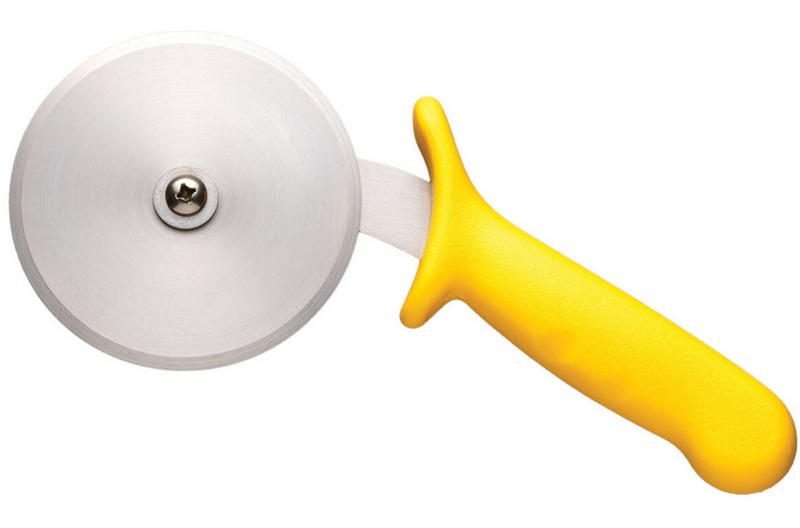
Rolling wheel cutters are versatile for most home pizzas, offering quick slicing with good control. Rockers excel for thicker crusts or larger pies, while scissors cutters provide precision for small pizzas or toppings.
Stainless steel resists rust and is lower maintenance, ideal for everyday home use. Carbon steel can be sharper but requires proper drying and occasional maintenance to prevent corrosion.
Many are dishwasher safe, but some designs perform best as hand-wash to preserve edge quality and prevent coating wear. Always follow manufacturer guidance.
Regular cleaning, drying, and occasional light sharpening or professional sharpening when needed help maintain edge quality. Avoid abrasive cleaners that can dull the edge.
Ergonomic, non-slip handles reduce fatigue and improve control. The best choice depends on hand size and personal preference; consider testing a few styles if possible.


