- All
- Product Name
- Product Keyword
- Product Model
- Product Summary
- Product Description
- Multi Field Search

Views: 222 Author: Ann Publish Time: 2025-11-24 Origin: Site


Content Menu
● Why the Right Cheese Knife Matters
● Deep Dive: Matching Cheese Knives to Cheese Types
>> For Soft and Creamy Cheeses
>> For Semi-Soft and Semi-Hard Cheeses
>>> Semi-Soft/Semi-Hard Cheese Recommendations:
>>> Pro Techniques:
>> For Blue and Crumbly Cheeses
>>> Expert Tips:
>>> Spreadable Cheese Serving:
>>> Chisel Knife:
>>> Cheese Plane:
● Selecting and Maintaining Your Cheese Knives
● Pairing Knives and Cheeses for the Ultimate Tasting Experience
● Modern Cheese Knife Designs and Innovations
● Ultimate Cheese Board Presentation Tips
● Frequently Asked Questions (FAQ)
>> 1. Why do different cheeses require different knives?
>> 2. What's a good beginner set of cheese knives?
>> 3. How should I clean cheese knives?
>> 4. Can I use regular kitchen knives on cheese?
>> 5. Is it necessary to have a separate knife for each cheese on my board?
When curating a captivating cheese platter or entertaining guests, using the proper cheese knife for each cheese variety is crucial. The correct cheese knife enhances texture, flavor, and presentation. This guide will equip cheese lovers, chefs, and retailers with essential knowledge to match each cheese knife with its ideal cheese type, from soft Brie to aged Parmesan, ensuring perfect service every time.

Selecting the appropriate cheese knife preserves not only the visual appeal of your cheese board but also maintains each cheese's unique texture and flavor profile. Cheese knives are purpose-built—some glide smoothly through creamy wheels, others cleave dense blocks, and specialized designs keep even sticky cheeses from clinging. Using the wrong knife risks squashing, smearing, or improper cuts, diminishing both presentation and enjoyment.
Soft cheeses like Brie, Camembert, chèvre, or fresh mozzarella often cling to ordinary blades, causing dragging or squishing. The soft cheese knife, sometimes called a “fork-tipped spear,” features holes to reduce sticking and a pronged tip that aids serving. When slicing triple crème cheeses, the thin blade preserves structure, while the prongs let you pick up and plate clean slices without using your hands.
- Use a gentle “sawing” motion for even slices.
- Rinse or wipe the blade between cuts for beautiful presentation.
- For ultra-soft spreads (goat cheese, Boursin), pair with a cheese spreader for effortless transfer.
Cheeses like Havarti, Gouda, Muenster, and fontina blend creaminess with structure. The slim blade or skeleton knife, with its narrow edge and minimal surface area, offers clean slices and prevents soft interiors from sticking. Cheese planes, popular worldwide, shave consistent ribbons perfect for crackers or sandwiches.
- Use a back-and-forth slicing motion.
- For flavored or infused cheeses, thinner slices enhance tasting subtle notes.
- Cheese planes also work well on softer hard cheeses, like young Pecorino or Swiss.
Aged cheeses like aged Cheddar, Manchego, Parmigiano-Reggiano, and Pecorino Romano have dense, crumbly textures and tough rinds. Use a cheese cleaver for robust blocks—a downward “chopping” motion is ideal. For wheels or wedges of Parmesan, the parmesan knife (also called a spade, heart, or almond knife) allows you to chip and break off perfect chunks.
- Insert the parmesan knife tip and apply gentle pressure for a natural break, highlighting cheese crystals.
- For large blocks, use a two-handled hard cheese knife for safety and control.
- Always cut aged cheeses at room temperature—texture is vastly improved.
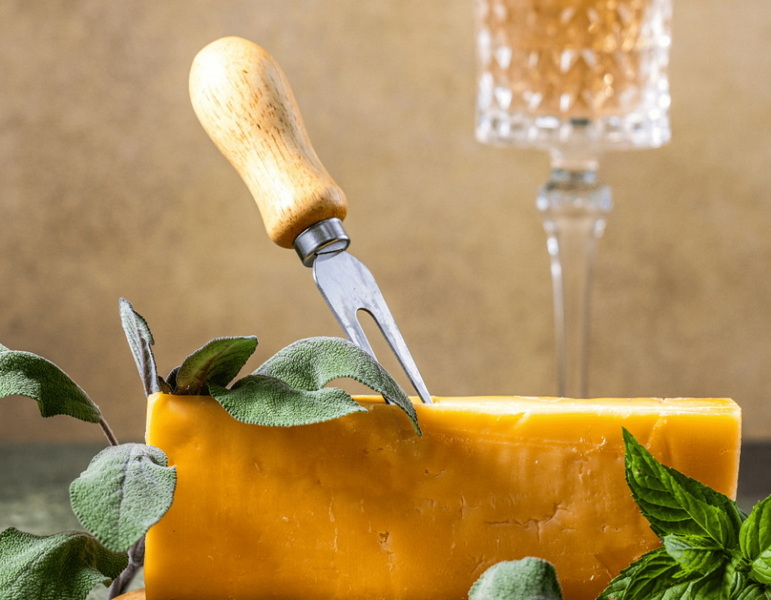
Gorgonzola, stilton, roquefort, and other blue cheeses have a unique, creamy-yet-crumbly structure that's susceptible to smearing and breakage. The cheese fork or pronged knife is perfect for these: the prongs break off bite-sized pieces without crushing the cheese, and can serve slices hygienically.
- Use cheese forks to hold crumbly cheese in place for tidier serving.
- Wipe the fork often to avoid blue mold cross-contamination.
The cheese spreader is the perfect companion for ultra-soft, creamy cheeses—think ricotta, mascarpone, or spreadable logs. With its broad, blunt tip, it glides through even the softest textures and won't tear bread or crackers while spreading.
- Allow spreads to reach room temperature for smoothest application.
- Use separate spreaders for each cheese to prevent flavor transfer.
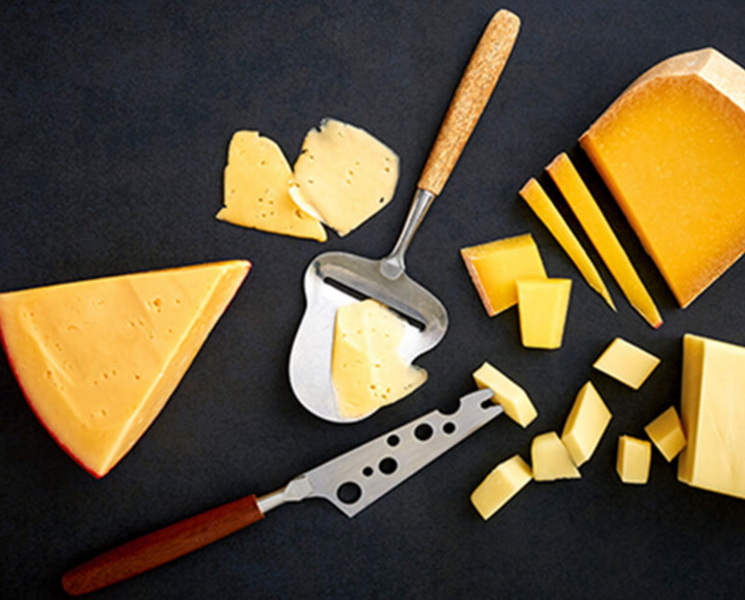
Perfect for logs of fresh mozzarella or delicate goat cheese, the taut wire creates ultra-clean slices and is especially suited for very sticky cheeses. Some cheese boards incorporate a mounted wire for entertaining convenience.
This wide and flat knife, sometimes also called a flat knife, is ideal for portioning crumbly cheeses like gorgonzola or feta, and also serves for portioning soft-rind cheeses.
A Nordic staple, cheese planes produce even, thin slices of semi-hard cheeses. They're a necessity for Scandinavian platters and modern cheese presentations—and the go-to for making picturesque Swiss or Jarlsberg slices.
- Material: Opt for high-quality stainless steel for corrosion resistance and lasting sharpness. Wooden or resin handles add grip and elegance.
- Balance: A well-balanced knife makes cutting and serving comfortable and controlled.
- Starter Set Suggestion: A three-knife starter kit—a soft cheese knife, cleaver, and spreader—covers most needs. Enthusiasts may add a plane, fork, parmesan knife, or wire cutter for advanced serving.
- Cleaning: Always hand-wash cheese knives in warm, soapy water; the dishwasher can dull blades and damage handles.
- Storage: Use cheese knife blocks, magnetic strips, or drawer trays to prevent edge nicks and keep sets organized.
Cheese knives aren't just functional—they showcase respect for cheese's craft. When assembling your cheese tray, assign each variety its own knife to preserve flavor and for hygienic tasting. Label each cheese and place the correct knife beside it. Enhance your presentation by adding complementary foods: sliced fruits, toasted nuts, artisan crackers, and cured meats.
For professional retail displays or hospitality settings, using the correct cheese knife adds to brand image and customer satisfaction.
Today's cheese knives blend centuries-old tradition with innovative features for connoisseurs and chefs alike:
- Non-stick Coatings: Reduce sticking with special blade coatings—often paired with perforated blades for soft cheeses.
- Ergonomic Handles: Modern handles, including rubberized and contour-grip types, enhance precision and ease of use.
- Sculpted Blades: Certain knives have sculpted or staggered blades to boost performance in specialty cheeses.
- Custom Branding: Kitchen OEMs and retailers increasingly customize cheese knife sets with engraved or laser-etched logos to reinforce brand identity.
- Select a variety of cheeses: Offer soft, semi-soft, hard, aged, and blue cheeses.
- Assign one knife for each cheese type: Prevents cross-flavoring.
- Arrange from mild to sharp: Help guests navigate from delicate to bold flavors.
- Label everything: Cheese and knife labels reduce confusion and add a professional touch.
- Add visual interest: Use small bowls, leaf garnish, or edible flowers for an inviting look.
- Place tools correctly: Cheese spreaders can rest on small plates and forks beside blue cheeses.
- Pair with beverages: Suggest wines, craft beers, or artisan ciders alongside each cheese type.
Choosing the right cheese knife transforms cheese serving from ordinary to extraordinary. Understanding which knife matches which cheese enhances not just flavor and texture, but also presentation and the entire tasting experience. By investing in quality cheese knives—and matching them properly—you elevate not just your cheese board, but your reputation as a host, retailer, or culinary enthusiast. Thoughtful knife selection reflects a passion for cheese and respect for craftsmanship.
Different cheese textures (soft, crumbly, hard) react best to specific blades that preserve structure and presentation. The right knife prevents sticking, crushing, and flavor contamination.
Start with a soft cheese knife, a cleaver, and a spreader. Expand your set to include planes, forks, and specialty knives as your cheese selection grows.
Always wash by hand with warm, soapy water. Dry thoroughly before storage and avoid dishwashers which can blunt edges.
You can, but you'll miss out on the expert cuts, clean slices, and presentation that true cheese knives offer.
Yes—using one knife for each cheese protects against flavor mixing and cross-contamination, particularly with strong cheeses like blue varieties.


