- All
- Product Name
- Product Keyword
- Product Model
- Product Summary
- Product Description
- Multi Field Search

Views: 288 Author: SAAFI-Kitty Publish Time: 2025-07-11 Origin: Site


Content Menu
● Why Proper Packing is Important
● Materials Needed for Packing
● Step-by-Step Guide to Packing a Knife Block
>> Step 1: Clean and Dry Your Knives
>> Step 2: Wrap Each Knife Individually
>> Step 3: Use a Knife Block or Alternative Storage
>> Step 5: Seal and Label the Box
● Alternative Knife Storage Solutions
>> Knife Rolls
Packing a knife block for a move or storage can seem daunting, especially considering the sharpness and potential hazards of kitchen knives. However, with the right techniques and materials, you can ensure that your knives are safely packed and ready for transport. This guide will walk you through the steps to effectively pack a knife block, including tips for protecting your knives and ensuring they remain in excellent condition.
When moving or storing knives, proper packing is crucial for several reasons:
- Safety: Sharp knives can cause injuries if not packed correctly.
- Protection: Knives can become dull or damaged if they are not secured properly during transit.
- Organization: Keeping knives organized makes unpacking easier and helps you find the right knife when you need it.
Before you start packing, gather the following materials:
- Packing paper or bubble wrap: For wrapping individual knives.
- Packing tape: To secure the wrapping.
- Sturdy moving box: To hold the wrapped knives.
- Labels: To mark the box as containing sharp items.
Before packing, ensure that all knives are clean and dry. This prevents moisture from causing rust or damage during storage.
1. Lay out a sheet of packing paper or bubble wrap.
2. Place the knife on the paper with the blade facing down.
3. Fold the paper over the knife, ensuring the blade is completely covered.
4. Secure the wrap with tape to prevent it from unraveling.
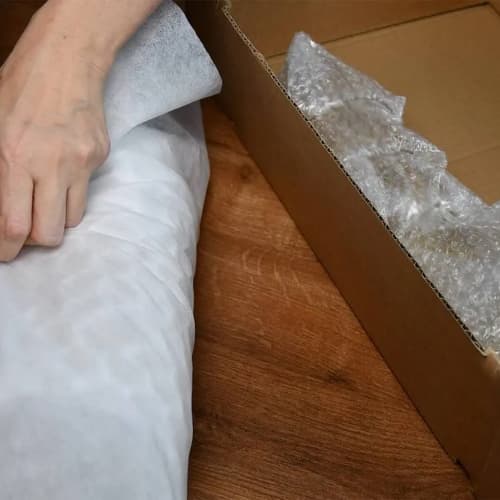
If you have a knife block, you can choose to pack the entire block or the knives individually.
- Packing the Knife Block: Wrap the entire knife block in bubble wrap or packing paper. This method is quicker but may not provide as much protection for the individual knives.
- Alternative Storage: If you don't have a knife block, consider using a sturdy box with compartments or a knife roll.
1. Line the bottom of the box with crumpled packing paper or bubble wrap for extra cushioning.
2. Place the wrapped knives or knife block in the box.
3. Fill any empty spaces with additional packing material to prevent movement during transit.
1. Seal the box securely with packing tape.
2. Label the box clearly as “Sharp Items - Handle with Care” to alert anyone handling the box.

- Use a sturdy box: Ensure the box is strong enough to hold the weight of the knives.
- Avoid overcrowding: Don't pack too many knives in one box to prevent damage.
- Keep out of reach: Store packed knives in a safe location away from children and pets.
If you're looking for alternatives to a knife block, consider the following options:
These strips allow you to store knives safely and accessibly on a wall, keeping them out of drawers where they can get damaged.
These trays keep knives organized and protected within a drawer, preventing them from moving around and getting dull.
Ideal for chefs on the go, knife rolls provide a portable solution for storing and transporting knives safely.
Packing a knife block doesn't have to be a stressful task. By following these steps and using the right materials, you can ensure that your knives are safely packed and ready for your next move or storage. Remember to prioritize safety and organization to make unpacking a breeze.
1. What is the best way to wrap a knife?
- Use packing paper or bubble wrap, ensuring the blade is fully covered and secured with tape.
2. Can I pack knives in a regular box?
- Yes, but ensure the box is sturdy and well-cushioned to prevent movement.
3. Should I pack my knife block with the knives inside?
- It's safer to wrap the knives individually or remove them from the block to prevent damage.
4. How can I prevent my knives from getting dull during a move?
- Wrap each knife securely and avoid overcrowding in the box.
5. What should I label the box containing knives?
- Clearly label it as “Sharp Items - Handle with Care” to ensure safe handling.


