- All
- Product Name
- Product Keyword
- Product Model
- Product Summary
- Product Description
- Multi Field Search

Views: 222 Author: Ann Publish Time: 2025-11-11 Origin: Site


Content Menu
● Understanding the Value of Packaging
● Brand Positioning for Bread Knife Lines
● Packaging Formats for Bread Knives
>> Knife Sleeves and Blister Packs
>> Eco-Friendly and Sustainable Options
● Sustainability as a Differentiator
● Authenticity and Trust Signals
● Content Strategy for Bread Knife Packaging
● Making a Case for Private Labeling
● Engineering Packaging for Logistics
● E-Commerce and Retail Readiness
● Production and QA Considerations
● Marketing and Sales Enablement
● Case Studies and Inspiration
● Operational Playbook for OEM Partners
● Global Trends Shaping Bread Knife Packaging in 2025 and Beyond
● Sustainability and Ethical Considerations
● FAQ (A single consolidated FAQ section at the end)
>> What is the best packaging format for Bread Knife branding?
>> How can branding appear on the Bread Knife itself?
>> How important is sustainability in packaging?
>> How can OEMs support private-label opportunities?
>> What elements improve unboxing and customer satisfaction?
Bread knives are indispensable tools in any serious kitchen, from high-end bakeries to home kitchens. For Chinese OEM manufacturers serving foreign brands, wholesalers, and manufacturers, packaging and branding bread knives effectively is as vital as blade geometry or steel quality. A well-crafted packaging strategy protects the knife, communicates brand values, and accelerates consumer trust and resale potential. This article explores comprehensive strategies to package and brand custom bread knives that help your clients stand out in global markets.

Packaging does more than guard a blade; it tells a brand's story before a customer ever handles the knife. Thoughtful packaging can reduce returns, increase perceived value, and improve retailer performance. For Bread Knife products, where performance is visible in blade serration and grip comfort, packaging must balance protection with presentation and education. Modern packaging also serves as a marketing channel, delivering care instructions, warranty details, and brand philosophy in a single physical touchpoint. This multi-functional approach is especially important for OEMs serving diverse regions with varying regulatory and cultural expectations.
Before designing packaging, define the brand's market position. Is the bread knife line premium artisanal, rugged industrial, value-focused, or chef-endorsed? Clarify the target customer—home bakers, professional chefs, or food-service distributors—and tailor both packaging form and messaging accordingly. A consistent brand voice across packaging, labeling, and marketing collateral reinforces recognition and trust, which translates into higher willingness to pay and better wholesale terms.
Choosing the right packaging format influences shelf presence, logistics, and consumer perception.
- Rigid or foldable rigid boxes with die-cut windows to showcase blade pattern.
- Foam or molded pulp inserts protect the blade and improve unboxing experience.
- Pros: Strong shelf presence, premium feel; Cons: Higher cost and larger packaging footprint.
- Slim sleeves or clamshell solutions that are price-competitive and easy to ship.
- Pros: Lightweight, cost-effective; Cons: Limited display opportunities.
- Wooden or lacquered boxes with branding on the exterior and interior, sometimes including recipe cards or care guides.
- Pros: High perceived value, ideal for gifting; Cons: Higher production complexity.
- Recycled cardboard, corrugated inserts, and paper-based cushioning.
- Pros: Aligns with sustainability narratives; Cons: Requires careful material choices to ensure durability.
Sustainability is no longer optional in bread knife packaging. Customers increasingly expect transparent environmental impact statements, recyclable or compostable materials, and minimal plastic usage.
- Materials: Favor paper-based boxes, recycled or FSC-certified cardboard, and biodegradable films for wraps and inner protection.
- Inks and Coatings: Use water-based inks and soy-based coatings where possible; communicate these choices on the packaging.
- Labels: Include certifications (e.g., recycling symbols, compostability) and a brief sustainability narrative.
Consumers buy brands they trust. Include signals that reinforce authenticity:
- Batch Numbers and Warranty Seals: Visible on packaging to support traceability and aftersales service.
- Genuine Brand Partnerships: If dual-branding, ensure the co-branding is clearly sanctioned and designed for consistent quality representation.
- Certification Labels: Food-grade materials, safe for contact with food, and compliance indicators.
Packaging is a storytelling surface. Beyond visuals, copy communicates benefits and instructions.
- Product Highlights: Serrated blade quality, edge retention, and ergonomic handle design.
- Care and Maintenance: Simple care steps, sharpening guidance, and safety tips.
- Usage Scenarios: Slicing crusty bread, delicate pastries, and sandwich bread.
- Brand Story: A short, compelling narrative about craftsmanship and materials.
Private-label programs let distributors and retailers offer customized bread knives under their own brands, expanding sales channels.
- Private Label Benefits: Faster time-to-market, stronger retailer relationships, and improved margins.
- Customization Options: Handle color, blade engraving, packaging art, and box design.
- Quality Assurance: Maintain consistent blade steel, tempering, and finish while enabling diverse branding.
Packaging must survive global logistics while maintaining brand integrity.
- Tamper-Evident Features: Security seals and unique identifiers on packaging.
- Protective Inserts: Rigid foam, molded pulp, or custom EVA to hold the knife securely.
- Dimensional Optimization: Stack and pallet-friendly packaging to reduce transport costs and damage.
- Compliance: Labeling and material disclosures in line with target markets' regulations.
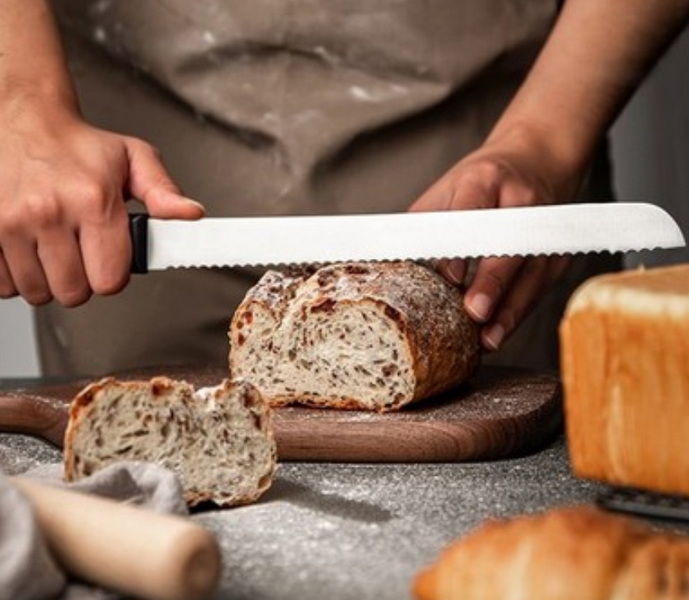
For brands selling Bread Knife online or via retailers, packaging must travel from factory to consumer with minimal issues and high impact.
- Unboxing Experience: Thoughtful packaging reduces post-purchase regret and encourages social sharing.
- Brand Consistency: Digital assets should mirror in-store visuals for a cohesive experience.
- Product Education: On-pack or on-box content should educate buyers quickly about use and care.
Consistency across production lots is essential for OEM relationships. Establish stringent QA checkpoints to guarantee packaging quality aligns with knife performance.
- Material Sourcing: Secure stable suppliers for cardboard, inks, and protective inserts to avoid SKU-level variability.
- Print Consistency: Color matching and logo reproduction fidelity must be tightly controlled.
- Tamper-Evidence: Ensure seals and packaging security features are reliable across all batches.
Bread knife packaging must accommodate diverse cultural preferences and regulatory environments.
- Language Localization: Packaging text in the primary languages of target markets improves comprehension and reduces confusion.
- Regional Imagery: Use visuals that resonate with local culinary traditions without compromising global brand identity.
- Regulatory Compliance: Food-contact material approvals and labeling requirements vary by region; plan accordingly.
Packaging should support sales channels from wholesalers to direct-to-consumer retailers.
- Digital Asset Library: Provide retailers with product images, lifestyle photos, and packaging artwork ready for online catalogs.
- Co-Branding Opportunities: Offer limited edition packaging for campaigns or collaborations.
Drawing from industry leaders and notable OEM providers can illuminate practical paths for bread knife packaging and branding.
- Established Knife Brands: Premium packaging often combines luxury outer boxes with inner protective inserts and ATP (above-the-pack) branding elements.
- Promotional Packaging: Limited edition sets with co-branding help retailers highlight seasonal campaigns and drive impulse purchases.
- Sustainable Brands: Brands emphasizing eco-friendly packaging gain traction among environmentally conscious consumers.
To implement a successful packaging and branding strategy for Bread Knife lines, adopt a structured workflow.
- Discovery and Brief: Gather brand goals, target markets, competitive landscape, and regulatory considerations.
- Concept Development: Create 3-5 packaging concepts with variations in color, typography, and imagery.
- Prototyping and Testing: Produce physical samples and run durability, shelf-stability, and user-testing studies.
- Finalization and Print Ready: Deliver production-ready artwork, dielines, and BOM (bill of materials).
- Launch and Monitor: Track sales performance, packaging returns, and consumer feedback for continuous improvement.
The packaging landscape continues to evolve with technology and sustainability at the forefront.
- Smart Packaging: QR codes, NFC tags, or augmented reality experiences that reveal brand stories or care tips when scanned.
- Personalization at Scale: On-demand printing and modular packaging allow frequent design refreshes for campaigns and regional markets.
- Circular Economy Initiatives: Programs that encourage packaging return or reuse to reduce waste and build loyalty.
- Cross-Category Inspiration: Packaging cues borrowed from broader kitchenware or culinary product lines can create cohesive brand ecosystems.
Ethics in packaging design strengthen brand trust and long-term loyalty.
- Responsible Messaging: Represent sustainability claims honestly; avoid greenwashing.
- Supply Chain Transparency: Provide pathways for customers to understand how packaging materials are sourced and processed.
- Waste Reduction: Design packaging for recyclability and minimal waste, and communicate these benefits clearly.
For kitchen knife OEM manufacturers serving international brand partners, strategic packaging and branding of Bread Knife lines unlock significant value. By aligning packaging formats with brand positioning, leveraging compelling visuals and multimedia, embracing sustainability, and enabling flexible private-label options, manufacturers can elevate both perceived and actual product quality. A well-executed packaging strategy not only protects the knife but also propels brand storytelling, retailer engagement, and consumer trust across global markets.
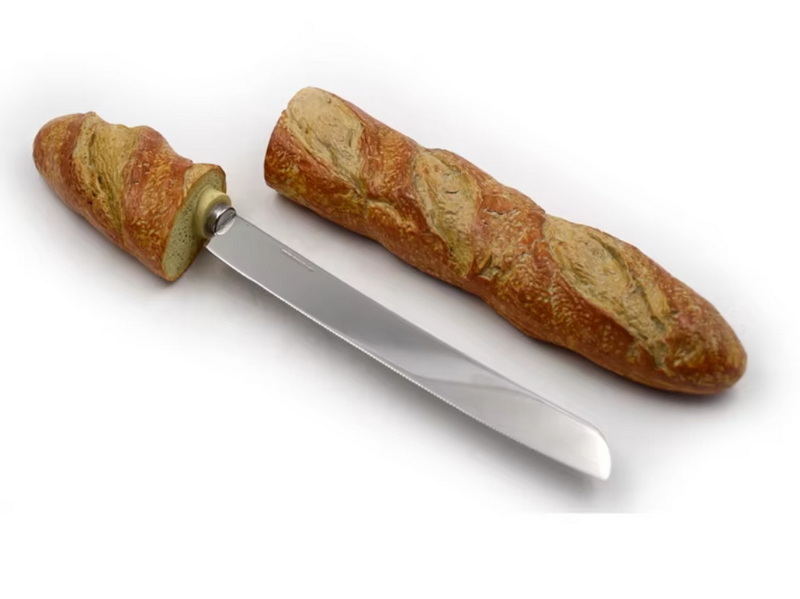
- The best format depends on the target market and price point. For premium bread knives, luxury gift sets or rigid boxes with window displays work well; for mass distribution, Sleek sleeves or clamshells with clear branding offer efficiency.
- Logos can be laser-etched on the blade or printed on the handle with durable inks. Embossing and debossing on the box also reinforce brand identity.
- Sustainability is increasingly critical; it influences consumer choice and retailer acceptance. Use recyclable materials, communicate environmental benefits, and minimize plastic whenever possible.
- Offer customizable handle colors, blade engravings, packaging art, and co-branded box designs. Maintain consistent blade quality while enabling diverse branding.
- A visually compelling unboxing experience, clear care instructions, warranty information, and easy-to-find product benefits on the packaging enhance satisfaction and reduce post-purchase confusion.


