- All
- Product Name
- Product Keyword
- Product Model
- Product Summary
- Product Description
- Multi Field Search

Views: 222 Author: Ann Publish Time: 2025-11-13 Origin: Site


Content Menu
● Overview of Pizza Cutter Types
>> Wheel Cutter
>> Rocker Blade
>> Scissors
● Ergonomics and User Experience
● OEM and Commercial Considerations
● Use-Cases and Market Segments
● FAQ
>> Q1: Which pizza cutter type offers the best balance between speed and control for a busy restaurant?
>> Q2: What maintenance practices extend the life of a pizza cutter blade?
>> Q3: Are pizza cutters dishwasher-safe?
>> Q4: Can a pizza cutter be used for tasks beyond pizza?
>> Q5: What material provides the best durability for pizza cutter blades?
In professional kitchens and for OEM collaborations with overseas brands, choosing the right pizza cutter blade is more than a matter of taste—it affects throughput, hygiene, and product differentiation. This article examines three prevalent blade styles—Wheel, Rocker, and Scissors—exploring design philosophies, material science, ergonomic considerations, cleaning protocols, and commercial implications.
The wheel cutter uses a circular blade that rolls across the pizza surface. Its efficiency lies in continuous contact with the dough, enabling fast, uniform slices. For OEM applications, wheel cutters can be scaled with larger wheel diameters for faster throughput or smaller diameters for precision slicing in compact kitchen setups. Material choices typically favor stainless steel for edge retention and corrosion resistance, with a handle that may be molded plastic or a wrapped metal grip for comfort. Maintenance considerations include keeping the wheel sharp, ensuring smooth rotation, and preventing clogging around toppings. In professional settings, replacing worn wheels or bearings is a standard service item, reducing downtime in busy food operations.
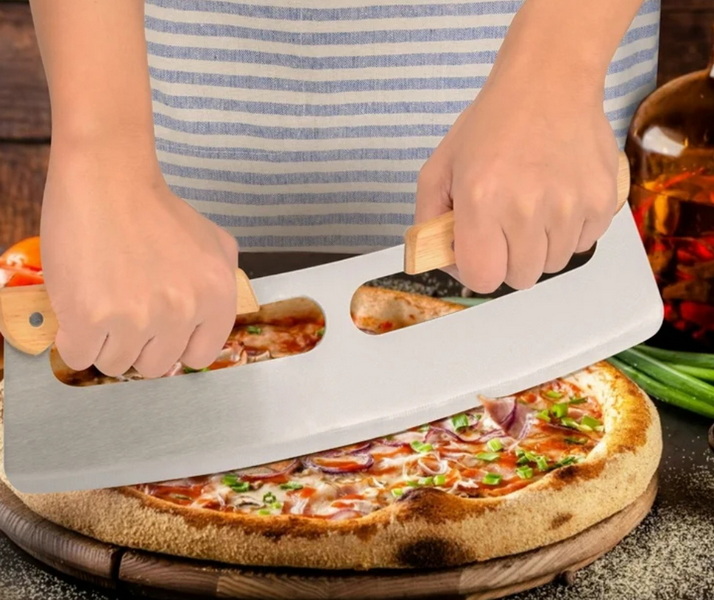
The rocker blade is a fixed curved edge that leverages a rocking motion to cut through pizza. This design distributes force along a longer arc, which can improve control on thick-crust pies or heavily topped slices. For OEM projects, rockers offer opportunities to differentiate through arc geometry, blade thickness, and handle ergonomics. Materials often emphasize a robust blade with corrosion resistance and a forged or machined edge, paired with a reinforced handle that resists fatigue during long service hours. Cleaning considerations focus on eliminating mozzarella strands and grease from the curved underside, which may require disassembly for thorough sanitation.
Pizza scissors adopt a two-blade cutting action, enabling precise corner or edge cuts and adaptable handling for various pizza sizes. Scissors excel in portability and storage, making them attractive for retail sets, outdoor catering, and compact kitchens. For OEM programs, scissors provide design freedom in blade length, screw-threaded pivot points, and locking mechanisms for safe storage. Materials chosen eliminate rust risk and ensure long-term sharpness, with attention given to the transfer of cut cheese and toppings onto the blade surface during use. Cleaning protocols favor detachable blades or dishwasher-safe assemblies to simplify sanitation.
- Blade materials: stainless steel alloys selected for edge retention, corrosion resistance, and ease of sharpening. Considerations include hardness ratings, wear resistance, and passivation to minimize staining from salt and acidic toppings.
- Edge treatments: bevel angles, micro-serrations, and coatings (e.g., anti-corrosion coatings or ceramic-like surfaces) that extend edge life while maintaining food safety.
- Handle design: ergonomics, grip texture, weight distribution, and compatibility with gloves. Durable finishes resist oils, flour, and water exposure common in professional kitchens.
- Bearings and pivots: in wheel and rocker designs, high-quality bearings reduce friction and prolong blade life; for scissors, robust pivot pins and locking screws prevent wobble.
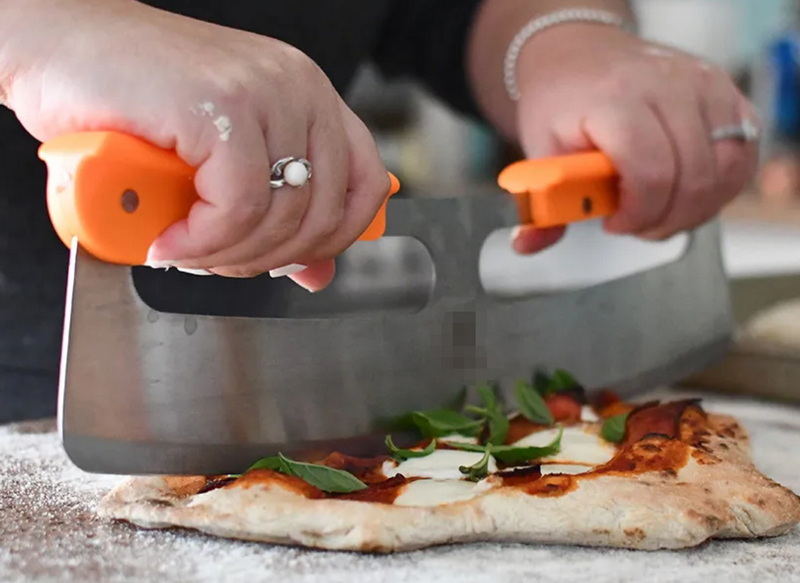
- Balance and weight: a well-balanced pizza cutter reduces wrist strain during long prep shifts and high-volume service.
- Grip comfort: textured or contoured handles improve control, especially when hands are wet or fatty.
- Safety features: blade guards, locking mechanisms, and child-safety considerations can add value for consumer and commercial markets.
- Maintenance ease: modular designs with removable blades or detachable wheels accelerate sanitation and routine maintenance.
- Material and process standards: define materials, finishes, and tolerances early to align with international certifications and buyer expectations.
- Packaging and branding: protect the blade during transit with moisture barriers and packaging that supports brand storytelling.
- Regulatory compliance: ensure food-contact safety compliance, labeling accuracy, and traceability (batch codes, production dates, supplier lot numbers).
- After-sales support: provide spare parts catalogs, recommended replacement intervals, and clear instructions for maintenance.
- Customization potential: offer variations in wheel diameter, rocker arc radius, blade thickness, handle materials, and locking mechanisms to meet diverse regional preferences.
- Restaurants and pizzerias: emphasize speed, reliability, and easy sanitation.
- Home users and family households: focus on storage convenience, safety features, and budget considerations.
- Outdoor catering and food trucks: highlight portability, multi-size blades, and quick-clean options.
- Premium hotel and event venues: stress durability, premium materials, and precise edge geometry for flawless slicing.
Pizza Cutter blade types each offer distinct advantages tailored to different use-cases, from fast throughput with wheel cutters to enhanced control with rockers and portability with scissors. For OEM collaborations, a strategic mix of blade geometries, materials, and ergonomic designs enables brands to meet diverse market needs without sacrificing hygiene or longevity. By aligning blade type choices with customer workflows, cleaning protocols, and regulatory requirements, manufacturers can deliver pizza cutter solutions that rival top-tier offerings while maintaining competitive cost structures and reliable supply.
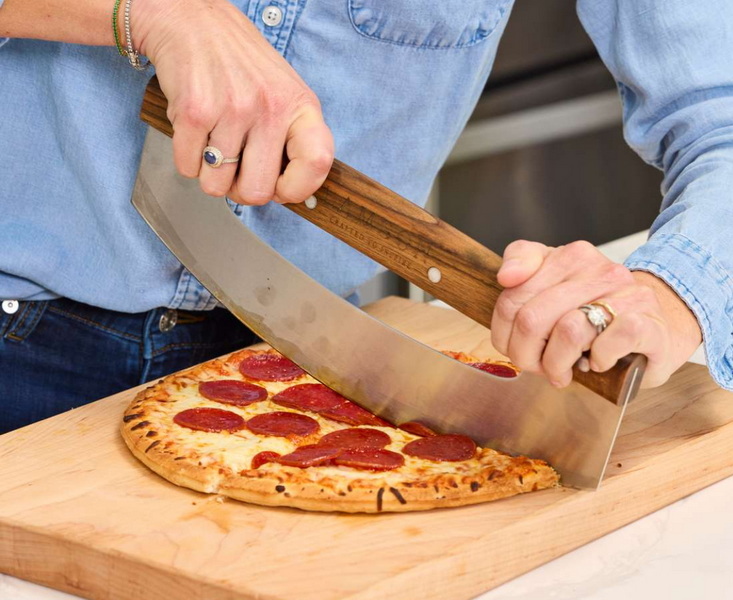
A1: Wheel cutters provide fast slicing with consistent results, while rockers offer better control for thick crusts; many professional kitchens choose a combination to cover a range of pizzas.
A2: Regular inspection for dull edges, thorough cleaning after each use, proper drying to prevent rust, and timely replacement of worn wheels or blades.
A3: Some models are labeled dishwasher-safe, especially those with detachable parts; however, hand washing extends blade life for many premium designs.
A4: Yes, with caution; thin flatbreads or pastries can be cut, but avoid hard items that may chip the blade.
A5: High-quality stainless steel with proper heat treatment offers strong edge retention and corrosion resistance in commercial environments.


