
Views: 222 Author: Ann Publish Time: 2025-11-14 Origin: Site


Content Menu
● Understanding the Pizza Cutter
● Choosing a Safe Pizza Cutter (Design and Features)
● Safe Use Practices for Home and Commercial Environments
● Cleaning, Maintenance, and Longevity
● Storage, Transportation, and Handling
● Safety Standards and Compliance Considerations
>> 1) Why is a proper grip important on a pizza cutter?
>> 2) How should you clean and store a pizza cutter safely?
>> 3) What safety features should a pizza cutter have?
>> 4) Can pizza cutters be used for other foods, and what precautions are needed?
>> 5) What maintenance practices extend the life of a pizza cutter?
Pizza Cutter safety is a critical topic for both consumer households and professional kitchens, as well as for OEM partners who design and manufacture cutting tools for global brands. This article collates practical safety tips, maintenance guidance, and design considerations that matter to brands and end users alike. By understanding how a pizza cutter works, the risks involved, and the best practices for use, cleaning, and storage, all stakeholders—brand owners, distributors, and manufacturers—can promote safer experiences, reduce injury incidents, and support compliant product marketing.

A typical Pizza Cutter comprises a rotating wheel blade, a handle designed for grip and control, and often a guard or blade cover for safety. The wheel's sharp edge enables clean, quick slices through various crust types, while the handle provides leverage and balance. For OEM considerations, material choices for the blade (stainless steel, hardened steel, or ceramic in some niche options) and the handle (high-traction plastics or polymer composites) influence both performance and safety. The primary safety objectives are protecting fingers from the blade, preventing accidental cuts during use or storage, and ensuring that cleaning and maintenance do not create new hazards. A well-designed Pizza Cutter with safety in mind will minimize opportunities for slips, pinches, and contact with sharp edges during routine tasks.
- Blade quality and geometry: A sharp, well-mounted blade reduces the need for excessive force, which lowers the chance of skate-like slips or “kickback” injuries. Blades should be securely fastened and free of burrs. Consideration for edge retention helps users avoid repeated sharpening sessions that can momentarily increase risk if done improperly. In OEM programs, selecting corrosion-resistant steel, with a grind that reduces snags on cheese and crust, supports consistent performance and safer operation.
- Handle ergonomics: An ergonomic handle with a non-slip grip improves control, especially when hands are greasy or wet. Contoured or textured surfaces reduce the likelihood of loss of grip, which can cause the cutter to rotate unexpectedly toward the user's hands.
- Safety guards and blade covers: Design features such as blade guards, retractable shields, or removable blade covers help protect hands during storage and transport. For family use, these features are particularly important to prevent accidental contact when the cutter is left within reach of children.
- Construction and balance: A balanced Pizza Cutter, where the weight distribution aligns with the center of rotation, enhances control and reduces hand fatigue. Durable, food-safe materials minimize risks from breakage or sharp fragments.
- Pre-use checks: Inspect the blade for nicks, burrs, or looseness before each use. A damaged blade can require more force and increase the risk of slips.
- Proper grip and stance: Stand with a stable stance, keep fingers away from the wheel's path, and use a light but confident grip. Avoid twisting motions that could direct the blade toward the hand or forearm.
- Cutting technique: Employ smooth, controlled back-and-forth or rocking motions on a stable cutting surface or board. Do not press down aggressively, which can cause crust to shatter or the cutter to slip.
- Food hygiene considerations: Use separate Pizza Cutters for different tasks if cross-contamination is a concern (e.g., meat vs. vegetarian toppings). Maintain a clean cutting surface and sanitize frequently, especially in professional kitchens.
- Child safety: Store the Pizza Cutter out of reach when not in use and consider child-resistant storage options. Implement clear labeling to alert household members of blade hazards.
- Cleaning methods: Rinse immediately after use to remove flour and cheese residues; hand washing is often preferred to preserve blade integrity and prevent water from seeping into joints. If dishwashing is allowed by the manufacturer, ensure it is a dishwasher-safe model and use a gentle cycle to avoid blade dulling or handle degradation.
- Drying and storing: Thoroughly dry the Pizza Cutter after washing to prevent rust on metal components. Store in a protective sheath or dedicated cutlery drawer with blade guards to prevent accidental contact.
- Sharpening considerations: Some models are designed for easy sharpening or have replaceable blades. Follow the manufacturer's guidelines for sharpening frequency and technique to avoid altering blade geometry in a way that compromises safety.
- Inspection routine: Periodically check for wobble, loose screws, or cracks in the handle. Address any issues promptly to prevent catastrophic failure during use.
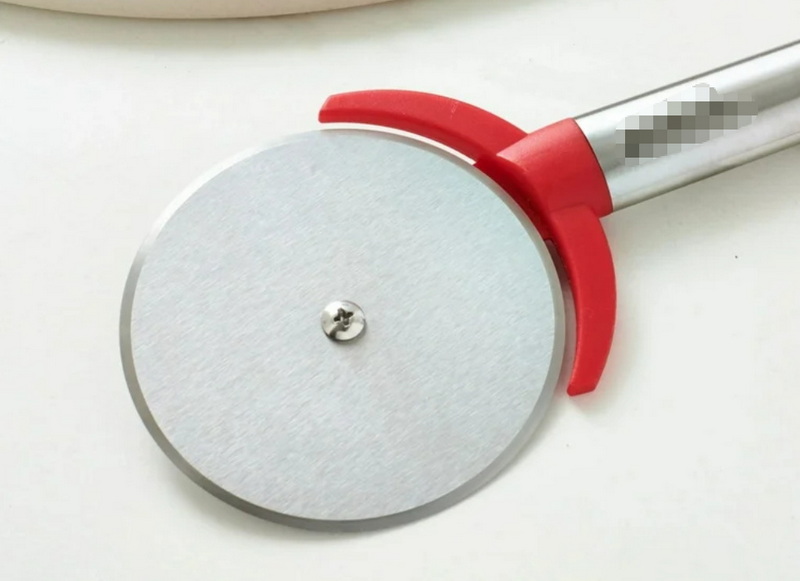
- Safe storage solutions: Use blade guards, locking cases, or protective sleeves. Organize cutlery so that the blade edge faces away from other utensils to reduce accidental contact.
- Transportation safety: When transporting in bags or cases, ensure the blade is shielded. For OEM partners, packaging should include clear safety warnings and blade protection to minimize risk during distribution.
- Labeling and compliance: Packaging and manuals should clearly state handling precautions, recommended cleaning procedures, and any safety certifications that apply. This supports consumer trust and regulatory alignment across markets.
- Regulatory alignment: Ensure materials used in Pizza Cutters meet relevant food-contact safety standards (e.g., corrosion resistance, BPA-free components, and overall biocompatibility). Transparent material disclosures support consumer confidence and retailer acceptance.
- Certification relevance: Third-party safety and hygiene certifications can reassure buyers about product quality and safety. For OEM collaborations, providing test reports, material certificates, and performance data helps shorten procurement cycles.
- Packaging warnings: Clear safety warnings on packaging and in manuals reduce misuse and improve overall safety outcomes in both home and commercial environments.
In summary, a well-designed Pizza Cutter with thoughtful safety features, ergonomic handling, and robust maintenance routines delivers safer cutting experiences in both home kitchens and professional environments. For OEM partners, prioritizing blade integrity, grip comfort, protective storage solutions, and clear safety documentation supports stronger market acceptance and better user outcomes. By weaving safety considerations into product design, branding, and education, manufacturers can build trust with retailers and consumers while maintaining high standards of performance and safety.
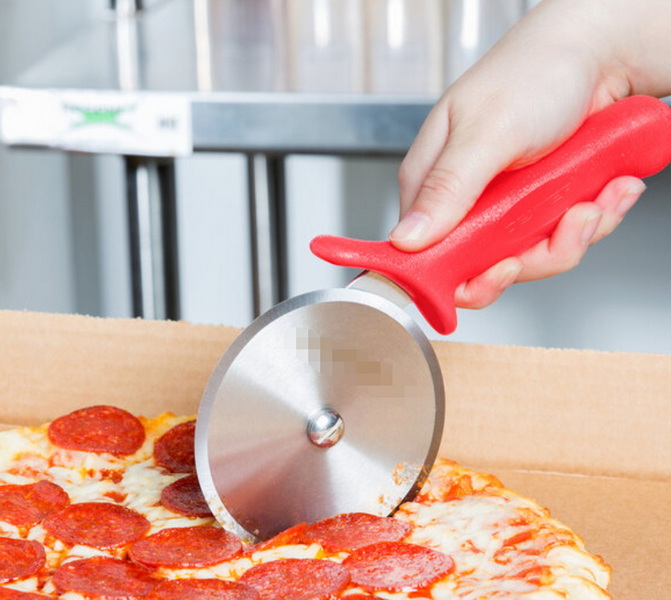
A proper grip improves control, reduces the risk of slipping, and ensures precision when slicing through various crusts. An ergonomic handle with a non-slip surface keeps hands away from the blade arc during use.
Rinse and hand-wash or follow manufacturer guidance for dishwasher compatibility; thoroughly dry before placing in a protective sheath or safe storage area. This prevents rust and accidental cuts when reaching for utensils.
Key features include a sharp, secure blade, a non-slip handle, and a blade guard or protective cover for storage. These elements collectively reduce injury risk during use and when stored.
Pizza cutters can handle some other foods with hard crusts or firm textures, but avoid using them on bones or dense items that could chip the blade. Always clean thoroughly to prevent cross-contamination.
Regular cleaning, timely drying, checking for blade wear or looseness, and proper storage extend blade life and safety. If the cutter has replaceable parts, follow OEM guidance for replacement intervals.


