- All
- Product Name
- Product Keyword
- Product Model
- Product Summary
- Product Description
- Multi Field Search

Views: 222 Author: Ann Publish Time: 2025-11-15 Origin: Site


Content Menu
● Design Ergonomics and Handling
● Blade Technology and Cutting Performance
● Materials and Sustainability
● Design Versatility and Form Factors
● Safety, Hygiene, and Standards
● Smart and Connected Cues (Emerging)
● Sourcing and OEM Considerations
● FAQs
>> What is the best material for a Pizza Cutter blade in 2025?
>> Are rocker-style or wheel-style Pizza Cutters better?
>> How important is ease of cleaning for a Pizza Cutter?
>> Do eco-friendly materials affect performance?
>> What should an OEM partner look for in a Pizza Cutter supply chain?
In 2025, pizza lovers and professional kitchens alike expect more from a humble Kitchen Tool than a simple wheel and handle. The modern Pizza Cutter is increasingly a fusion of ergonomic science, material engineering, and multimedia storytelling. This article explores the latest design trends, materials choices, manufacturing considerations, and brand strategies that are shaping the future of pizza cutting tools in international OEM collaborations. By examining how design details—from blade geometry to handle texture—affect performance and user experience, this piece provides practical guidance for brands, wholesalers, and manufacturers engaged in the global market.

Ergonomics have moved from a pleasant afterthought to a core performance determinant in Pizza Cutter design. Hand comfort, grip security, and weight balance directly influence slicing precision, fatigue, and safety during extended service in kitchens and pizzerias. Contemporary designs emphasize:
- Contoured, non-slip handles: Textured surfaces, soft-touch materials, and curves that fit the natural grip reduce strain during long sessions. Some models incorporate finger grooves or palm rests to improve control on thicker crusts. These features align with consumer expectations for high-end kitchen tools and lay the groundwork for premium OEM offerings.
- Ambidextrous solutions: Symmetrical handle geometries and reversible blade assemblies support both right- and left-handed users, expanding market appeal and simplifying manufacturing SKU management.
- Enhanced safety in grip areas: Anti-slip coatings and raised ribs near the blade edge help users maintain control, especially when working with dough that tends to stick.
The blade remains the focal point of any Pizza Cutter. Advances here drive cleaner cuts, longer edge life, and easier maintenance:
- Blade materials and coatings: Stainless steel remains the baseline for durability and hygiene, with some premium models exploring ceramic or ceramic-coated edges to reduce sticking and improve edge retention. Coatings that resist cheese oils and tomato acids are increasingly valued in high-use environments. Blade thickness commonly falls in the 2–3 mm range for balance between rigidity and maneuverability.
- Geometry and edge design: Beveled edges, micro-serrations, and specific wheel profiles are tailored to crust type—thin-crusts require precision without tearing, while thick crusts benefit from reinforced rims for even pressure distribution. These nuances inform OEM blade geometry choices and tooling setups.
- Safety integration: Some designs feature retractable guards, snap-on shields, or integrated blade covers to protect users during storage and prevent accidental contact during handling. These features support compliance with safety expectations across multiple markets.
Material choices increasingly reflect both performance demands and environmental consciousness:
- Sustainable handles and bodies: Bamboo, responsibly sourced wood composites, recycled plastics, and bio-based polymers appear more frequently, particularly in mid- to premium-tier lines. Eco-friendly aesthetics collaborate with durability and ease of cleaning to deliver compelling OEM stories.
- Corrosion resistance and hygiene: Stainless steel blends with protective coatings and seamless or smooth-surface designs minimize crevices where food particles can accumulate, simplifying cleaning processes in commercial kitchens and home environments alike.
- Lifecycle considerations: Recyclability of components, ease of disassembly for replacement parts, and modular design approaches support longer product lifecycles and more sustainable branding narratives.
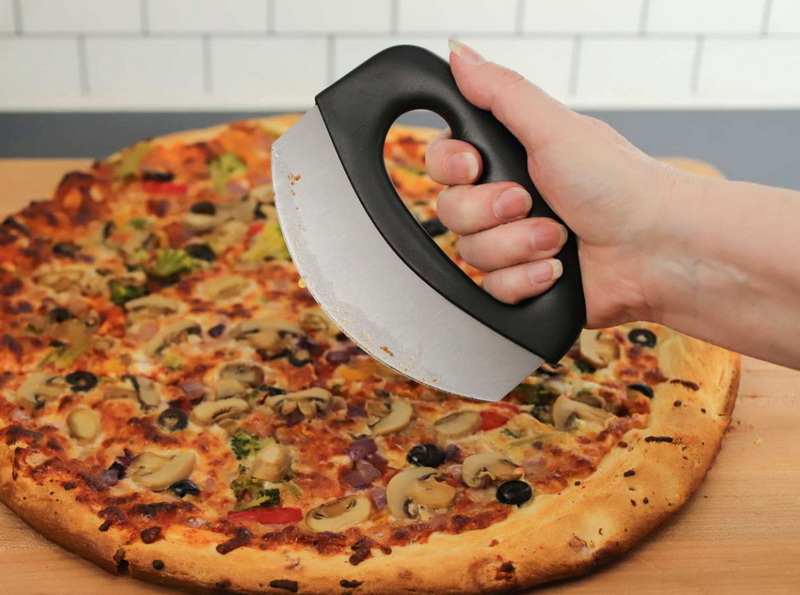
Innovation in form factors allows pizza cutters to fit a broader range of user needs and kitchen spaces:
- Wheel vs rocker designs: Wheel cutters remain compact and familiar, offering straightforward slicing for standard crusts, while rocker cutters provide broader contact areas and even pressure distribution—advantages for thicker or chewier crusts. Both remain viable in home and professional settings, with OEMs often offering modular kits to switch between configurations.
- Portable and space-saving layouts: Foldable handles, detachable blades, or compact storage solutions address smaller kitchens and mobile foodservice operations, enabling brands to market versatile solutions without sacrificing safety or performance.
- Aesthetic customization: Finishes, anodized accents, and colorways support lifestyle branding and gift-market opportunities, particularly in regions with strong consumer demand for premium kitchen aesthetics.
Global markets demand predictable safety and hygiene performance:
- Hygienic design principles: Smooth surfaces, minimal crevices, and dishwasher-safe components improve sanitation and reduce cleaning effort in both home kitchens and professional environments.
- Compliance and certifications: Meeting international standards for food-contact materials, surface finishes, and mechanical safety is essential for OEM partners aiming at multiple regions. Clear documentation supports regulatory approvals and smoother distribution.
Digital integration is beginning to appear in premium pizza cutters as an extension of brand storytelling:
- Packaging and care guides via QR codes: Quick access to usage tips, care instructions, and replacement blade options enhances the consumer experience and supports post-purchase engagement.
- Home kitchens: The emphasis is on affordability, ease of use, and effortless cleaning, with ergonomic handles and compact profiles that fit everyday cooking tasks.
- Professional kitchens: Operators value durability, easy blade replacement, and batch production compatibility. OEM collaborations often include standardized blade materials, locking mechanisms, and compatible packaging for bulk orders.
- Outdoor and catering: Lightweight, corrosion-resistant models with secure storage cases appeal to mobile chefs and event catering providers.
For brands and manufacturers pursuing OEM partnerships, several practical considerations shape success:
- Material sourcing and QA: Material traceability, controlled tempering, and robust quality assurance programs ensure consistent performance across batches and regions. These factors are critical for long-term OEM relationships.
- Customization options: OEM buyers increasingly request modular designs—interchangeable handles, blade geometries, and packaging variations—to support rapid catalog expansion and regional differentiation.
- Compliance readiness: Proactive planning for regulatory and safety approvals reduces time-to-market and supports broader distribution strategies.
The trajectory of Pizza Cutter design in 2025 centers on ergonomic excellence, durable and hygienic blade technology, sustainable materials, and flexible form factors that serve diverse use cases—from home kitchens to high-volume commercial operations. For OEM partners, success hinges on modular customization, transparent material sourcing, rigorous safety compliance, and a compelling multimedia narrative that showcases practical use, care, and maintenance. By aligning product engineering with consumer expectations and market realities, brands can deliver Pizza Cutter solutions that are not only effective tools but also meaningful components of modern cooking experiences.
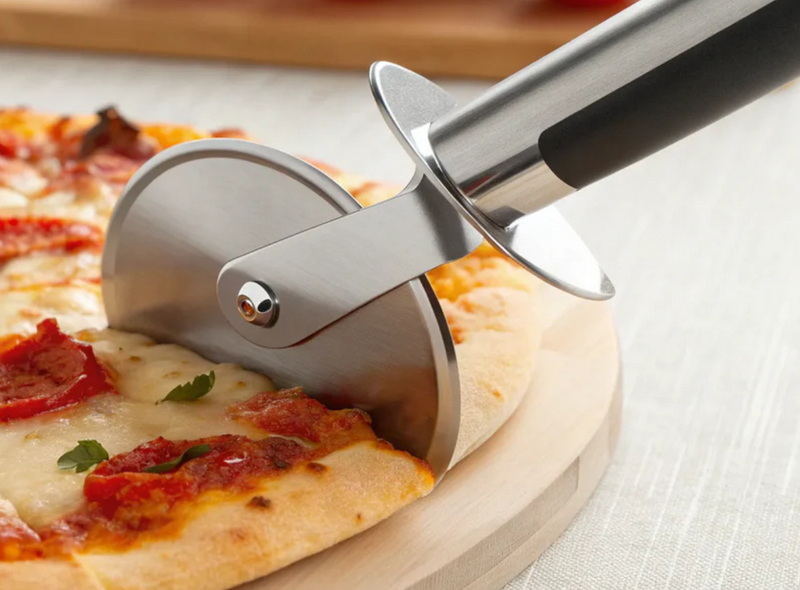
Stainless steel remains the industry standard for durability, hygiene, and edge retention, with selective use of ceramic or non-stick coatings to further reduce sticking and ease cleaning.
Both designs have strengths: wheels are compact and familiar for straight cuts, while rockers offer broader contact and improved control for thicker crusts. The choice depends on user preference and application.
Very important. Detachable blades, dishwasher-safe components, and minimal crevices contribute to better hygiene and faster throughput in commercial kitchens and home use.
Eco-friendly materials can enhance aesthetics and brand appeal without compromising durability when properly engineered, treated, and maintained.
Seek material traceability, robust QA processes, scalable manufacturing capacity, and documented regulatory compliance to support global distribution.


