- All
- Product Name
- Product Keyword
- Product Model
- Product Summary
- Product Description
- Multi Field Search

Views: 222 Author: Ann Publish Time: 2025-11-19 Origin: Site


Content Menu
● What Makes a Cheese Knife Different?
● Types of Professional Cheese Knives
● The Fascinating History and Evolution of the Cheese Knife
● The Benefits of Using a Professional Cheese Knife
>> 1. Precise and Clean Cutting
>> 2. Preserves Cheese Texture and Flavor
>> 3. Hygienic and Easy to Clean
>> 4. Aesthetic Appeal for Entertaining
>> 5. Longevity and Durability
● Materials and Design: What Professionals Prefer
● Cheese Knife Sets and Presentation Kits
● Choosing the Right Cheese Knife for Your Business
● Proper Use and Maintenance Tips
● Why Professionals and Home Chefs Alike Should Invest
● Frequently Asked Questions (FAQs)
>> 1. What is the main difference between a regular knife and a Cheese Knife?
>> 2. Are Cheese Knives dishwasher safe?
>> 3. Can one Cheese Knife cut all types of cheese?
>> 4. How do I maintain a Cheese Knife?
>> 5. What's the best Cheese Knife for gifting?
Cheese is one of the world's oldest and most beloved foods, and cutting it properly enhances not only its presentation but also its flavor and texture. Using a Professional Cheese Knife isn't just about elegance—it's about precision, efficiency, and respect for your ingredients. Whether you're a home cook, a restaurant owner, or a kitchenware retailer, understanding why a Cheese Knife matters can change how you enjoy and present cheese forever.

A Cheese Knife is specifically designed to cut and serve different types of cheese—from soft, sticky Brie to hard, aged Parmesan. Unlike a regular kitchen knife, it minimizes sticking, crumbling, or tearing.
Key distinguishing features include:
- Holes along the blade to reduce friction and prevent sticking.
- A sharp, thin edge that slices smoothly without crushing the cheese.
- A forked tip for easy lifting and serving slices.
- Specialized shapes for different cheese textures.
Modern cookware manufacturers design many styles of Cheese Knives, each tailored to a specific cheese category.
1. Soft Cheese Knife – Long, thin blade with holes; ideal for Brie, Camembert, or Blue Cheese.
2. Hard Cheese Knife – Thick-bladed tool used for Cheddar, Gouda, or aged Manchego; sometimes looks like a small cleaver.
3. Cheese Spreader – Perfect for spreading cream cheese or soft chèvre on crackers.
4. Cheese Plane – Creates thin, uniform slices of semi-hard cheese like Havarti or Swiss.
5. Cheese Wire Cutter – Ideal for achieving clean, uniform cuts on soft to medium cheeses.
Each type of Cheese Knife serves a purpose—ensuring every cut preserves texture and appearance.
The Cheese Knife has a rich history dating back centuries. Its evolution reflects how societies recognized the diversity in cheese types and textures, which led to the need for specialized cutting tools.
Early knives were simple blades, but as cheese varieties multiplied, it became evident that a single knife couldn't handle all cheese types well. For example, the soft, sticky cheeses required blades that wouldn't tear or stick, while hard cheeses demanded robust tools that could withstand pressure without breaking.
One notable innovation was the Norwegian invention of the cheese slicer in 1925 by Thor Bjørklund, a cabinet maker, which revolutionized cheese cutting by allowing uniform slices, especially for semi-hard cheeses. Meanwhile, different European cultures, including the Dutch and Scandinavians, developed their own cheese cutting traditions and tools, contributing to the variety of modern Cheese Knives available today.
Manufacturers like BOSKA, with a history dating back to 1896, have been pioneers in developing professional cheese tools that promote efficiency and reduce cutting waste. Over time, these tools have become essential for both professional kitchens and home use, combining practicality with elegance.
A Professional Cheese Knife ensures sharp, controlled slicing. The specialized design minimizes drag, enabling precise cuts that enhance presentation for serving platters and charcuterie boards.
Soft cheeses contain fats and natural oils that can smear when cut with the wrong blade. The right Cheese Knife prevents mechanical damage, maintaining the cheese's smooth consistency and authentic taste.
High-quality Cheese Knives typically use food-grade stainless steel that resists corrosion and odor absorption. Many have ergonomic handles and non-stick surfaces for easy maintenance.
Serving cheese with specialized tools like a Cheese Knife Set elevates any dining experience. Whether at a restaurant or home wine party, using professional tools communicates sophistication.
Investing in a professional-grade Cheese Knife means you're getting a blade designed for longevity. With proper care, it can last decades without losing its edge.

Professional kitchenware manufacturers and cheese enthusiasts often select materials that balance performance, hygiene, and aesthetic appeal.
Common materials:
- Stainless Steel: Corrosion-resistant, easy to clean, and maintains a sharp edge.
- High-Carbon Steel: Retains superior sharpness—ideal for precision slicing of hard cheeses.
- Damascus Steel: Premium-grade aesthetic appeal, suitable for luxury cheese knife collections.
- Handles: Options include pakkawood, stainless steel, acrylic, or ergonomic polymer materials.
A complete Cheese Knife Set makes a wonderful addition for restaurants, hotels, or cheese lovers who enjoy artisan presentations. Many sets include a mix of tools for cutting, slicing, spreading, and serving.
Popular set combinations:
- Soft and Hard Cheese Knives
- Cheese Spreader
- Cheese Fork
- Serving Board
Professional manufacturers frequently offer OEM Cheese Knife Sets—ideal for brands and wholesalers seeking customized packaging and design.
If you operate in the hospitality industry or sell kitchenware, stocking premium Cheese Knives can enhance your brand's credibility.
Key considerations when sourcing:
- Blade material and finish quality
- Handle ergonomics and comfort
- Non-stick or anti-corrosion coatings
- Custom logo engraving options for branding
- Packaging design for retail or gift presentation
Working with reliable OEM manufacturers ensures consistent quality control, international-grade standards, and competitive pricing.
To extend the life and functionality of your Cheese Knife, follow these care tips:
- Wash by hand rather than dishwashing to prevent edge dulling.
- Dry immediately after use to avoid rust or stains.
- Store in a knife block or sheath to protect the blade.
- Avoid cutting on glass or marble surfaces—use a wooden board.
- Occasionally sharpen or hone the knife to maintain performance.
Both professionals and serious home cooks benefit from owning a Professional Cheese Knife. For restaurants, it ensures consistent serving quality. For cheese enthusiasts, it transforms casual dining into culinary artistry.
A high-quality knife elevates presentation, supports hygiene standards, and shows attention to detail—all core values in modern culinary service.
A Professional Cheese Knife is more than a utensil—it's a tool of craftsmanship and taste. Investing in one ensures better texture, cleaner slices, and long-term durability while enhancing your kitchen aesthetic. For brands and wholesalers, adding professional Cheese Knife Sets to your product lines opens opportunities for growth in the premium kitchenware market.
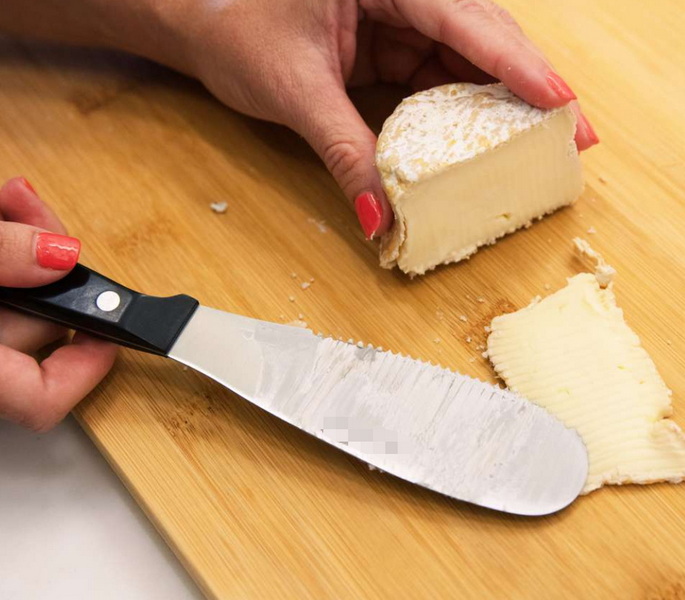
A Cheese Knife is designed with holes and specialized edges to reduce sticking and maintain cheese texture, unlike regular kitchen knives.
Most stainless-steel models are safe, but hand washing is recommended to maintain sharpness and polish.
Technically yes, but for optimal results, use different Cheese Knives for soft and hard cheese varieties.
Clean after each use, dry thoroughly, store safely, and occasionally hone the blade for best performance.
A Cheese Knife Set made from stainless steel with wooden packaging makes an elegant, practical gift for food enthusiasts.


