
Views: 222 Author: Ann Publish Time: 2025-10-18 Origin: Site


Content Menu
● Why Handle Material Matters for Damascus Knives
● Popular Handle Materials for Damascus Knives
>> Wood Handles
>> Bone and Buffalo Horn Handles
>> Synthetic Materials: G-10 and Micarta
● Factors to Consider When Choosing Handle Material
● Care and Maintenance of Handle Materials
● Handle Design and Ergonomics
● Frequently Asked Questions (FAQs)
>> Q1: What is the most durable handle material for Damascus knives?
>> Q2: Are wooden handles durable enough for outdoor use?
>> Q3: Is a Damascus steel handle practical?
>> Q4: Which handle material requires the least maintenance?
>> Q5: Does the handle material affect the knife's balance?
Damascus knives are celebrated worldwide for their strikingly beautiful layered steel patterns, exceptional sharpness, and durability. However, a Damascus knife's quality does not solely depend on its blade; the handle material is equally crucial. The handle directly influences the knife's ergonomics, safety, durability, and overall user experience. Choosing the right handle material is essential to complement the extraordinary blade and optimize performance.

The handle is the user's primary point of contact with the knife. A well-chosen handle material not only enhances grip comfort but also ensures safety during use. Different materials behave differently with environmental factors such as moisture and temperature, impacting the knife's lifespan and functionality. A handle must endure heavy use, resist wear, remain comfortable for extended use, and sometimes match the aesthetic appeal of Damascus steel.
Wood has long been the traditional and most beloved handle material, widely used on Damascus knives. Woods like walnut, rosewood, ebony, olive wood, and stabilized wood are favorites because of their natural beauty and warmth to the touch.
- Advantages: Comfortable grip, natural texture, rich aesthetic with unique grain patterns.
- Considerations: Wood is porous and can absorb moisture, leading to cracking or swelling if not properly maintained. Stabilized wood, treated with resin, offers improved durability and water resistance.
Bone and buffalo horn are natural materials prized for their rustic and unique appearance. Handles made of these materials have distinct textures and colors that add character to Damascus knives.
- Advantages: Attractive natural patterns and durability.
- Considerations: These materials may be brittle and require regular conditioning to prevent cracking or drying out.
G-10 and Micarta are among the most popular synthetic composites used for Damascus knife handles today. G-10 is fiberglass soaked in epoxy resin, layered, and compressed; Micarta consists of fabric layers soaked in resin and similarly treated.
- Advantages: Extremely durable, resistant to water, chemicals, and temperature changes, lightweight, and offer excellent non-slip grip even when wet.
- Considerations: Some users find synthetic handles less warm or natural-feeling than wood or bone but appreciate their low maintenance.
Carbon fiber is a high-tech material consisting of woven carbon strands bonded by resin, offering exceptional strength and minimal weight.
- Advantages: Very light, strong, and corrosion-resistant with a sleek, modern aesthetic.
- Considerations: Carbon fiber handles are costly and more challenging to produce, requiring specialized tools. They also tend to feel harder and less “organic.”
Titanium combines high strength with exceptional corrosion resistance and lightweight properties, making it ideal for premium Damascus knife handles.
- Advantages: Durable, lightweight, corrosion-resistant, and can be anodized for a range of colors.
- Considerations: Titanium handles can be cold and slippery compared to wood or synthetic handles unless their texture is specifically designed for grip.
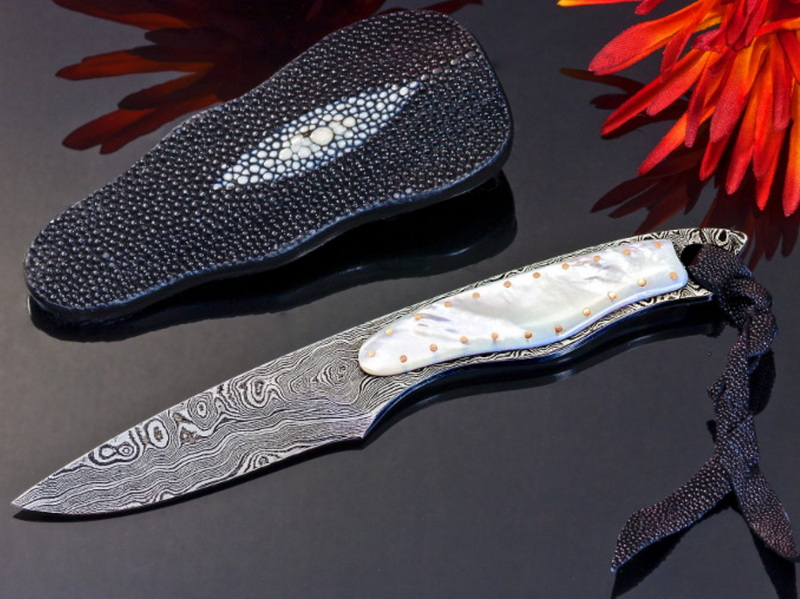
Some highly custom Damascus knives feature handles or bolsters made of matching Damascus steel. This creates a seamless and striking visual style.
- Advantages: Unique aesthetic match to the blade, excellent durability.
- Considerations: Damascus steel handles are heavier and typically limited to custom, high-end knives due to complexity and cost.
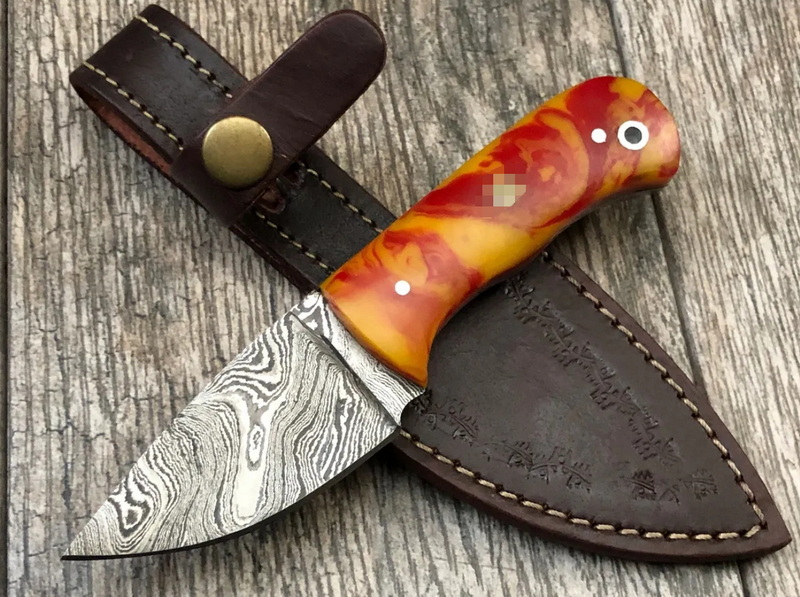
- Knife Usage: Tactical or outdoor knives benefit from durable, moisture-resistant handles like G-10 or Micarta, whereas kitchen knives may favor ergonomic wooden handles for comfort.
- Maintenance: Natural materials need regular oiling or conditioning; synthetics need minimal upkeep.
- Aesthetic Preferences: Handle material affects the overall look and feel—traditional options like wood or horn versus modern synthetics or metals.
- Budget: Exotic and high-tech materials usually increase the cost of the knife.
- Balance and Weight: Lightweight handles shift the balance point toward the blade, which can influence handling and fatigue.
- Wood and Bone/Horn: Avoid prolonged exposure to moisture, clean with dry cloth, and regularly apply natural oils to prevent cracking and drying.
- G-10 and Micarta: Wash with soap and water, dry quickly, and store in a dry place; no special treatments needed.
- Carbon Fiber and Titanium: Clean with mild soap and water, and avoid abrasive cleaners that could damage surface finishes.
- Damascus Steel: Prevent rust by keeping dry and applying oil occasionally, just like the blade.
A well-designed handle complements the material used. Ergonomics ensures the handle fits the hand naturally, reducing fatigue and improving control during use. Rounded edges, textured surfaces, and balanced weight distribution all improve the knife's performance. Some Damascus knives incorporate molded or sculpted handles using modern materials to provide maximum efficiency and comfort.
Selecting the right handle material for your Damascus knife is a critical decision that balances aesthetics, functionality, and durability. Natural materials like wood and bone offer warmth and tradition but require care. Synthetic materials like G-10 and Micarta provide excellent durability, moisture resistance, and maintenance ease. High-tech options such as carbon fiber and titanium combine modern aesthetics with superior strength and lightweight benefits. For ultimate style and craftsmanship, Damascus steel handles offer unique, matching beauty. Your choice should align with your intended use, maintenance capabilities, and personal taste to maximize your Damascus knife experience.
A1: Synthetic composites like G-10 and Micarta rank highest in durability and environmental resistance.
A2: Yes, but they require regular oiling and must be kept dry to prevent cracking or swelling.
A3: Damascus steel handles are elegant and durable but are heavier and more expensive, making them better suited for custom knives.
A4: Synthetic materials like G-10 and Micarta need minimal care, requiring only occasional cleaning.
A5: Yes, heavier materials shift balance toward the handle, lighter materials shift it toward the blade, affecting handling comfort.


