
Views: 222 Author: Ann Publish Time: 2025-11-11 Origin: Site


Content Menu
● Key Features of a Bread Knife
● The Art of Using a Bread Knife
● OEM Customization Opportunities
>> Market Considerations for Bread Knife OEMs
>> Quality Assurance and Testing
>> Choosing the Right Bread Knife for Your Brand
● Shaping the Future of Bread Knives
● Case Study: OEM Bread Knife Success
● Culinary Context: Bread Knife in the Kitchen Ecosystem
● Sustainability Considerations
● FAQ
>> 1) What is the ideal bread knife length for most loaves?
>> 2) Can a bread knife be used for fruits and cakes?
>> 3) How should serrated blades be sharpened?
>> 4) Are there advantages to Japanese-style bread knives?
>> 5) What are OEM benefits when partnering with bread knife manufacturers?
A bread knife is more than a tool; it is a trusted ally in the kitchen for bakers and Weekend Bread Makers alike. Its serrated edge is purpose-built to glide through crusts while preserving the soft crumb inside, enabling professional-looking slices for sandwiches, toasts, and plating. In this comprehensive guide, the bread knife's design, usage, maintenance, and OEM customization potential are explored in depth—helping brands, wholesalers, and manufacturers deliver exceptional bread knives to international markets while reinforcing brand value.

Bread knives are long, serrated blades designed to cut bread without crushing its interior. The serrations provide a sawing action that grips and pierces crusts while sparing the crumb, which is especially important for loaves with tender interiors or delicate crumb structures. Typical blade lengths range from 8 to 10 inches for domestic use, with longer professional models extending to 12–14 inches to accommodate larger loaves. Handles vary from classic wood or composite materials to high-traction polymers, but the common goal remains consistent: ergonomic comfort combined with robust performance.
- Long serrated blade that engages crust without tearing the crumb.
- High-quality steel, often high-carbon stainless, to balance edge retention with corrosion resistance.
- Ergonomic handle design that reduces hand fatigue during extended slicing sessions.
- Solid blade-to-handle assembly for durability and safe, stable cutting.
For OEM programs targeting international markets, material selection is critical. High-carbon stainless steels provide a reliable blend of hardness, wear resistance, and rust protection, while some premium models use vanadium or multiple stainless grades to improve edge retention. Blade geometry and heat-treatment regimes are equally important; properly tempered serrations maintain bite through repeated use without dulling prematurely. Handle materials should offer slip resistance and tactile comfort, especially for chefs who work with wet or oily doughs.
A bread knife's strength lies in its technique as much as its blade. The correct approach minimizes crumb damage and yields clean, even slices. A gentle back-and-forth sawing motion allows the serrations to do the work without forcing the blade straight through, which can crush the interior crumb. The goal is an even slice thickness from crust to crumb.
- Place the loaf on a stable cutting board.
- Grip the loaf firmly with the non-dominant hand to prevent movement.
- Begin with a light, controlled sawing motion, letting the serrations do the work.
- Maintain consistent pressure and rhythm to produce uniform slices.
Although designed for bread, a bread knife is versatile in the kitchen. It can slice delicate cakes or pavlovas without compressing their structure, segment soft fruits and vegetables (like tomatoes and melons) without crushing, and even portion certain cheeses with a gentler touch than a straight-edged knife. For professional kitchens, this versatility translates into reduced tool clutter and improved workflow.
- Preserves crumb structure: Serrated blades minimize tearing and preserve interior texture.
- Improves presentation: Uniform slices elevate plating for sandwiches, charcuterie boards, and bakery displays.
- Broad utility: Suitable for cakes, soft fruits, and certain cheeses, expanding its value beyond bread.
- Low maintenance: Serrated blades tend to stay sharp longer between sharpenings, with maintenance focused on proper cleaning and occasional sharpening of the serrations.
Quality bread knives deserve careful care to maximize longevity and performance. Simple routines can keep blades sharp and rust-free.
- Hand wash with warm, mild detergent; dry immediately to prevent moisture-related corrosion.
- Avoid fully submerging or placing in dishwasher cycles, which can degrade both blade and handle over time.
- Sharpen serrated blades with a sharpener designed for serrations or have professional servicing if needed.
- Store in a sheath, on a magnetic strip, or in a well-designed knife block to protect the teeth.
The saw-tooth profile should be checked periodically for burrs or misalignment. If any irregularities appear, a professional sharpening service with serration-specific tools is recommended to restore even bite along the blade.
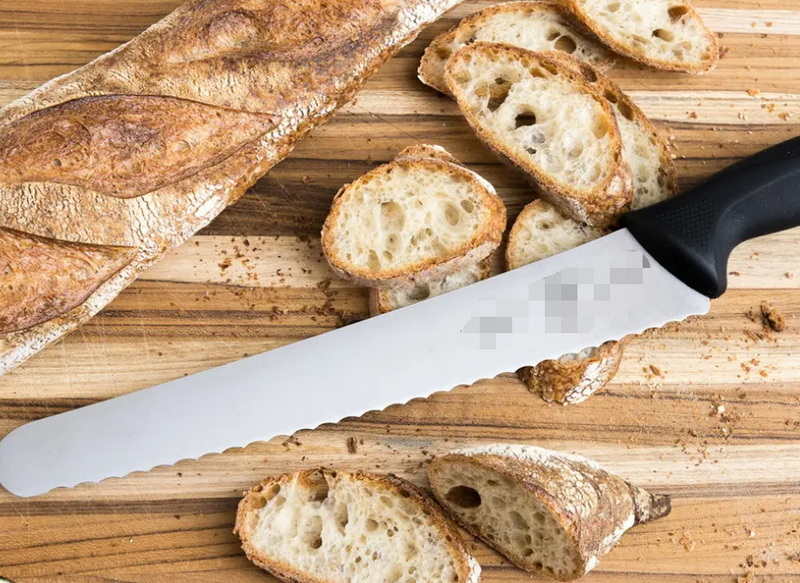
For foreign brands and wholesalers, bread knives offer rich customization possibilities that enhance branding and market differentiation.
- Custom blade engraving for logos or brand names.
- Handle material options and colorways to align with brand identity.
- Distinctive blade geometry or tooth pattern to optimize performance for regional bread types.
- OEM packaging tailored to regional markets, including bilingual inserts and usage tips.
- Co-branded educational content highlighting bread-slicing techniques and maintenance.
- Marketing materials featuring high-quality photography and videos demonstrating proper use.
- Regional bread variety affects blade preference (soft vs. crusty loaves, density, hydration levels).
- Consumer expectations vary by market; some regions prioritize aesthetics and ergonomics, others prioritize price-to-performance ratios.
- Compliance with regional safety and material standards is essential for market entry and consumer trust.
- Edge retention tests using standardized bread samples to verify performance across loaves with varying crust hardness.
- Corrosion resistance testing, especially for markets with high humidity or salty environments.
- Ergonomic testing with diverse hand sizes to ensure comfortable operation across the target audience.
- Home bakers seeking clean, uniform slices for sandwiches.
- Professional bakeries needing efficient, repeatable throughput.
- Culinary schools and retailers looking for reliable demonstration tools.
- Blade length: For large loaves, select 9–12 inches; for narrow bread lines or pastry-focused contexts, consider shorter blades.
- Serration style: Classic serrations for broad compatibility; alternate or wave patterns for specialized crusts.
- Handle comfort: Ergonomic, slip-resistant handles reduce fatigue in busy kitchens.
- Material and build quality: Premium steel and solid construction reduce replacements and returns.
- Branding potential: Opt for customization that aligns with your brand story and market strategy.
As bread culture evolves, so too will bread knives. Innovations may include ergonomic handle systems that adapt to hand size, replaceable blade segments for extended life, and integrated knife storage solutions that combine blade protection with branding opportunities. For OEM manufacturers, staying ahead means aligning blade geometry, materials science, and aesthetic design with the needs of global bakers.
A mid-sized factory partnered with several overseas bakery brands to produce a line of bread knives featuring a robust high-carbon stainless steel blade, a contoured polymer handle, and laser-engraved branding. The result was improved market adoption and decreased consumer return rates due to blade durability and comfort. This example demonstrates the value of a well-executed OEM strategy—combining technical performance with thoughtful branding and packaging.
- Always keep knives out of reach of children and use a dedicated cutting board to prevent cross-contamination.
- Use a stable cutting surface to avoid slips that could lead to injury.
- Inspect blades for burrs or cracks before use, and replace as needed.
- Use proper cutting technique to prevent finger proximity to the blade.
Bread knives complement a broader set of kitchen tools used by bakers and culinary professionals. They work in harmony with chef knives, paring knives, and specialty bread-baking tools such as dough blades and scoring tools. The bread knife's role is to deliver aesthetically pleasing, uniform slices that respect the bread's crumb and crust, enhancing the overall dining or snacking experience.
- Durable materials reduce waste from frequent replacements, supporting sustainability goals.
- Efficient design reduces production energy without compromising performance.
- Recyclable packaging and responsible manufacturing practices add value to end-user brands.
The bread knife stands as an essential tool for bakers, delivering clean, uniform slices that preserve crumb structure and presentation. Its serrated edge, when paired with thoughtful design and reliable materials, supports both professional kitchens and home bakers in achieving consistent results. OEM customization empowers brands to differentiate their offerings through branding, packaging, and blade-spec choices that resonate with regional markets, driving adoption and customer loyalty.
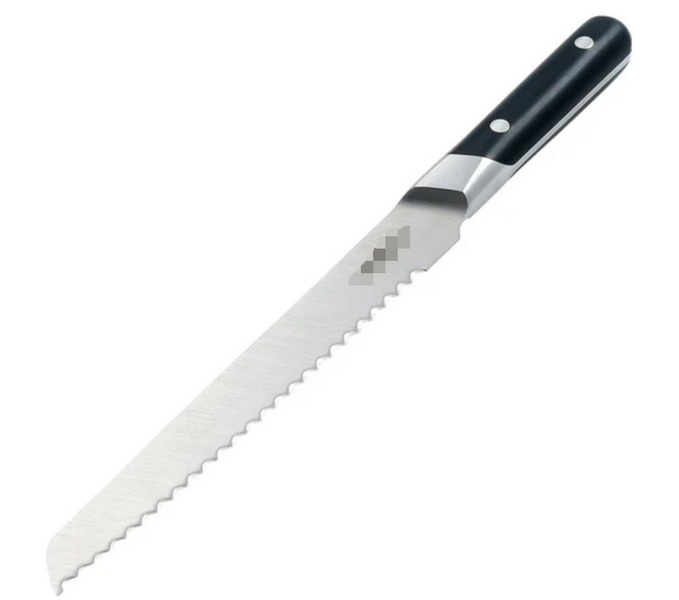
A 9-inch blade is a versatile default that accommodates most standard loaves while allowing efficient slicing without excessive blade length.
Yes, bread knives work well for many soft fruits such as tomatoes and some cakes, thanks to their serrated edges that minimize compression.
Use a serrated knife sharpener or have the blade professionally sharpened; avoid using straight-edge honing rods that can damage serrations.
Japanese bread knives often feature thinner blades and finer serrations that provide precise control for delicate bread textures.
OEM partnerships enable brand customization, tailored blade profiles, handle designs, and packaging that align with market strategies and consumer preferences, enhancing brand equity and market differentiation.


