- All
- Product Name
- Product Keyword
- Product Model
- Product Summary
- Product Description
- Multi Field Search

Views: 222 Author: Ann Publish Time: 2025-11-12 Origin: Site


Content Menu
● Overview of Pizza Knife and Pizza Cutter
>> Pizza Knife
>> Pizza Cutter
● Manufacturing and Design Considerations
● Choosing the Right Tool: A Buying Guide for Your Kitchen
>> Pairing with storage and accessories
● Design Recommendations for OEM Partners
● FAQ: Common Questions About Pizza Knife and Pizza Cutter
>> Q1: What is the primary functional difference between a Pizza Knife and a Pizza Cutter?
>> Q2: Which tool is better for professional, high-volume kitchens?
>> Q3: Are there specific maintenance routines for Pizza Knives?
>> Q4: What materials yield the best balance of sharpness and durability for Pizza Knives?
>> Q5: Can Pizza Cutters be used for non-pizza tasks?
In professional kitchens and OEM channels, the choice between pizza cutters and pizza knives is not merely about personal preference—it influences efficiency, safety, cost, and brand perception. This article delves into the differences, design considerations, material choices, and market implications of Pizza Knife and Pizza Cutter, with emphasis on how to position a product for international brands, wholesalers, and manufacturers seeking reliable OEM solutions.

- Definition and core use: A Pizza Knife is a blade-style tool designed to cut through pizzas with controlled precision, often resembling a traditional kitchen knife but optimized for pizza crusts, toppings, and cheese adhesion. In commercial settings, a Pizza Knife can provide clean edges and consistent slice thickness, especially on thicker crusts or loaded pies.
- Typical designs: Straight-edged blades, sometimes with slightly curved tips for maneuverability, reinforced spines for durability, ergonomic handles, and options for food-grade finishes.
- Key strengths: Precision, control, versatility for thicker crusts and multi-topping pies, ease of sharpening, and compatibility with standard kitchen knife workflows.
- Definition and core use: A Pizza Cutter uses a rotating wheel to slice through pizza crusts with a rolling action. Wheels come in various diameters and configurations, including traditional round wheels, rocker-style blades, and scissors variants for niche applications.
- Typical designs: Wheel assemblies with bearing-supported axles, ergonomic handles, and often optional non-slip coatings. Some models include dual wheels or offset designs to reduce drag.
- Key strengths: Speed, simplicity, easy access to edges, quick cleanup, and broad familiarity among casual users and many commercial staff.
- Pizza Knife materials: Commonly high-carbon stainless steels or premium stainless alloys for edge retention and corrosion resistance. Blade thickness is a critical parameter for durability and control, with heavier blades offering better leverage for thick crusts.
- Pizza Cutter materials: Wheel blades are typically stainless steel or carbide-coated steel for edge durability and easy sanitation. The wheel assembly must resist corrosion and maintain smooth rotation under frequent wash-downs.
- Handles and ergonomics: For both tools, handle materials range from stainless steel and POM to polymer composites or wood, chosen for grip comfort, hygiene, and durability. In OEM contexts, interchangeable handles or branding options can enhance market appeal.
- Forged vs stamped blades: Forged blades generally offer superior strength and edge stability, which can be crucial for Pizza Knives used in heavy-duty commercial processing. Stamped blades can reduce cost and weight, suitable for lighter use or entry-market products.
- Wheel quality and mounting: For Pizza Cutters, wheel balance, bearing quality, and axle durability determine cutting consistency and longevity. Precision tolerances reduce wobble and improve user confidence in high-volume environments.
- Surface finish and coatings: Mirror-polished or satin finishes, plus protective coatings like ceramic or titanium nitride, can improve corrosion resistance and aesthetics. In OEM programs, coatings may be customized to meet branding and regulatory requirements.
- Sanitization and food safety: All components should be resistant to common kitchen cleaners and comply with local food-safety standards. Removability of the blade or wheel for cleaning can be an important selling point in brand documentation.
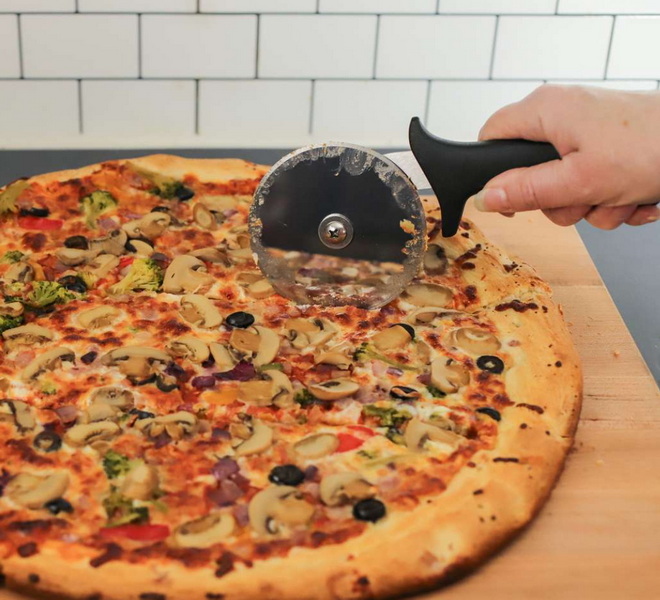
- Cutting dynamics: Pizza Knives offer straight-line control ideal for uneven crusts or multi-topping pies where a clean cut matters for presentation. Pizza Cutters excel in rapid, continuous slicing of flat crusts, balancing speed with consistency.
- Maintenance: Knife edges require regular honing and occasional sharpening to maintain performance, whereas wheel-based cutters need periodic lubrication (where appropriate) and occasional wheel replacement to avoid performance degradation.
- Safety and handling: Handle design should minimize risk of accidental cuts, with features like finger guards, non-slip grips, and balanced weight to reduce hand fatigue in busy service periods.
- Market segment: Home kitchens tend to favor ease of use and maintenance; professional kitchens emphasize reliability and precise control.
- Crust thickness and toppings: Thick crusts and heavy toppings may benefit from the leverage of a Pizza Knife, while thin crusts can be efficiently handled with a Pizza Cutter.
- Brand positioning: If the goal is premium branding with long-term durability, a forged Pizza Knife with robust materials and refined finishing may be preferred; for cost-sensitive segments or high-volume service, a well-engineered Pizza Cutter with dishwasher-safe features can be compelling.
- Knife blocks, magnetic strips, built-in sharpeners, and brand-aligned packaging can elevate product appeal and reduce friction in adoption by end users.
- Modular design opportunities: Create modular components such as replaceable blades or wheels, interchangeable handles, and branding zones that support multiple SKUs under one product family.
- Localization readiness: Ready-to-localize care instructions, warranty terms, and marketing materials to streamline global deployment and reduce post-sales friction.
- Sustainability and cost optimization: Explore durable surface finishes and recycled-material options where appropriate, balancing sustainability with cost and performance.
In sum, choosing between Pizza Knife and Pizza Cutter hinges on a combination of crust characteristics, batch size, service speed, brand positioning, and regulatory considerations. For premium product lines and heavy-duty commercial use, a well-designed Pizza Knife—crafted from corrosion-resistant stainless steel with a robust blade and ergonomic handle—can deliver superior control, longer edge retention, and a stronger brand signal. For high-volume operations where speed and ease of cleaning are paramount, a durable, well-engineered Pizza Cutter offers rapid throughput, consistent slices, and straightforward maintenance. For OEM partners, the most resilient strategy is a modular design approach that supports both tool families within a single product ecosystem, coupled with localization-ready packaging, certifications, and strong after-sales support. By aligning material choices, manufacturing processes, and branding with the needs of international markets, the kitchen tool portfolio can achieve greater adoption, higher margins, and enduring customer satisfaction.
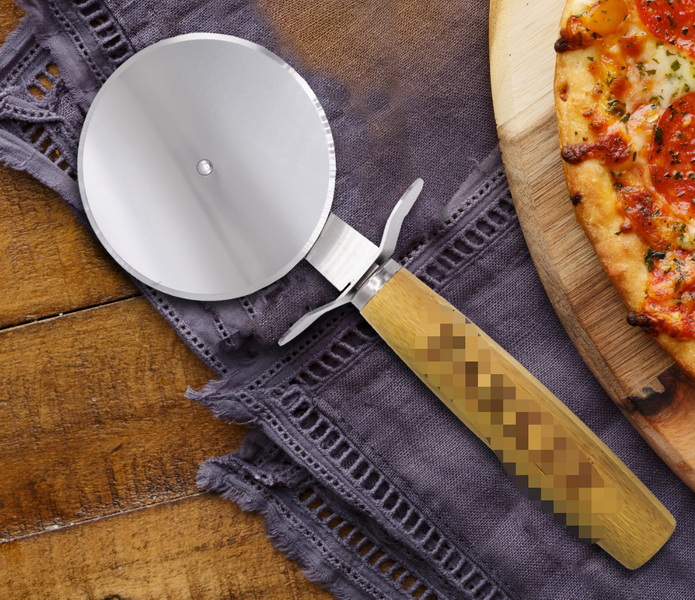
A1: A Pizza Knife provides direct blade-based cutting for controlled slices, especially useful on thicker crusts or highly loaded pizzas, while a Pizza Cutter uses a rotating wheel to slice quickly through flat crusts; each tool excels in different scenarios and user preferences.
A2: In high-volume settings, a mixed approach is common: fast, easy-to-clean Pizza Cutters for routine slices and more specialized Pizza Knives for precise cuts on premium pies or thick crusts. The choice often depends on crust type, toppings, and service flow.
A3: Yes. Regular honing, periodic sharpening, careful hand-washing or machine cleaning per manufacturer guidelines, thorough drying, and proper storage extend blade life and performance.
A4: High-carbon stainless steels with balanced hardness, good corrosion resistance, and a tough spine offer strong edge retention and durability for commercial use.
A5: Pizza Cutters can slice flatbreads, quesadillas, or pastry edges, but performance may vary with dough thickness. They are generally less suited for dense or highly layered toppings where a straight blade provides better control.


