- All
- Product Name
- Product Keyword
- Product Model
- Product Summary
- Product Description
- Multi Field Search

Views: 222 Author: Ann Publish Time: 2025-11-01 Origin: Site


Content Menu
>> Steak Knife: design intent and typical dining-table role
● Utility Knife: design intent and typical prep role
● Key differences in design and function
>> Size, balance, and handling
>> Handle design and aesthetics
>> Maintenance and edge retention
● Design and manufacturing perspectives for OEM
>> OEM customization considerations
>> Materials science for Knife Families
>> Professional kitchen guidance
● Practical design recommendations and market trends
>> Steak Knife design guidance
>> Utility Knife design guidance
>> Regional market considerations and branding
● FAQ
>> 1) What is the main difference between a Steak Knife and a Utility Knife?
>> 2) Can a Steak Knife be used for vegetables?
>> 3) Which knife is easier to sharpen regularly?
>> 4) What materials are best for OEM Steak Knives?
>> 5) How should a brand decide between Steak Knife and Utility Knife for a product line?
In modern kitchens and at the dining table, steak knives and utility knives play distinct but sometimes overlapping roles. While both belong to the family of kitchen cutlery, their design intent, blade geometry, handling characteristics, and maintenance needs diverge in meaningful ways. This article offers a thorough, industry-informed comparison that is especially helpful for OEM manufacturers, brand owners, and distributors seeking to position steak knives and utility knives within international markets. By examining blade profiles, handle ergonomics, material science, and use-case scenarios, readers will gain actionable guidance for product development, packaging, and marketing strategies. The analysis also highlights practical considerations for maintaining food-safety standards and optimizing assembly for OEM projects, ensuring that every product line aligns with brand promises and user expectations. Throughout the piece, the keyword density around Steak Knife remains high to reflect its prominent role in tableware collections, while Utility Knife is treated as a versatile workhorse for prep tasks. This combination supports a nuanced understanding of how to tailor knives to different consumer segments and application environments, including both household kitchens and professional settings.

Steak Knife is purpose-built for precision cuts of cooked meat at the table. The blade profile is often serrated, though straight-edged variants exist, with a focus on cleanly portioned slices that minimize tearing and mess on the plate. Serrated edges help saw through meat fibers and crusts while reducing friction and stiction, enabling consistent bite-size portions even when meat has a slightly crispy exterior. The handle is typically engineered to be elegant enough to complement a formal table setting while maintaining comfort for single-handed use. Materials range from high-carbon stainless steels to premium alloy compositions, paired with wood, resin, or composite handles to achieve the desired aesthetic and tactile feel. For OEM projects, steak knives offer a clear branding opportunity through blade finish, serration pattern, and handle finish that can be harmonized with existing dinnerware lines or luxury packaging.
Utility Knife is a versatile mid-sized blade intended for a broad spectrum of prep tasks that fall between the paring knife and the chef's knife in typical home kitchens and many professional settings. The blade is often straight-edged, though some models offer a serrated variant for bread or tough-skinned produce. The size range (commonly around 4.5 to 7 inches) provides a balance between control for delicate slices and reach for larger tasks. Utility Knife excels in slicing meats into thinner portions, trimming fat, segmenting citrus, and performing multi-purpose prep work when a chef's knife is either unavailable or unwieldy for a specific task. In OEM contexts, Utility Knife presents opportunities for feature differentiation through blade geometry variants, reinforced tangs, grip textures, and branding elements that align with broader kitchen knife collections.
Steak Knife blades are typically serrated to grip and saw through cooked meat with minimal tearing. The serrations help maintain a clean edge when slicing crusts or fibrous meat textures. In contrast, Utility Knife blades are predominantly straight, delivering precise, clean, long-surface cuts ideal for prep work across vegetables, fruit, and proteins. Some OEM lines offer a hybrid blade that blends straight and micro-serrated features to address niche prep tasks, but the core distinction remains: steak knives optimize table-edge performance for meat, while utility knives optimize kitchen-wide versatility for prep.
Steak Knife sets emphasize table presence and stability in one-handed use, with blade lengths typically ranging from 4 to 6 inches and a balance point tuned toward the handle for confident slicing at the dining surface. Utility Knife length commonly spans 4.5 to 7 inches, with a focus on ergonomic grip and controllable weight distribution to accommodate prolonged prep sessions. For OEM designers, achieving the ideal balance involves precise weight distribution, tang design, and grip texture that suit either premium dining aesthetics or rugged kitchen durability.
Steak Knife handles are often crafted to complement tableware aesthetics—elegant contours, smooth finishing, and materials that evoke luxury or tradition (wood, resin, or high-quality plastics). The handle shape is frequently slim and ergonomic to support comfortable single-handed use during meals. Utility Knife handles prioritize grip security and washability, with textured scales, full tangs, and durable materials (e.g., stain-resistant plastics, micarta, or reinforced composites) to withstand frequent washing in commercial kitchens. From an OEM perspective, harmonizing handle materials with branding, packaging, and overall product line cohesion is a critical win.
Steak Knife serrations tend to hold their edge longer under dining-use conditions but are not as quick to sharpen as straight-edged blades. When sharpening is required, specialized tools or professional service may be necessary to restore serrations. Utility Knife blades, being straight-edged, are generally easier to sharpen with common whetstones, honing rods, or electric sharpeners, enabling frequent maintenance in busy kitchens. For OEM programs, offering maintenance guidance, compatible sharpening tools, and replacement blade options can enhance customer satisfaction and product longevity.
High-carbon stainless steels are prevalent in steak knives for corrosion resistance, edge retention, and a polished surface that resists staining. Surface treatments such as satin or mirror finishes, or even PVD coatings, can elevate appearance and longevity but add cost. Utility Knives can leverage a broader material spectrum—from lower-cost stainless steels to premium alloys—facilitating scalable OEM production and modular packaging. Understanding regional preferences for aesthetics, corrosion resistance, and hardness supports more effective pricing and marketing strategies for global markets.
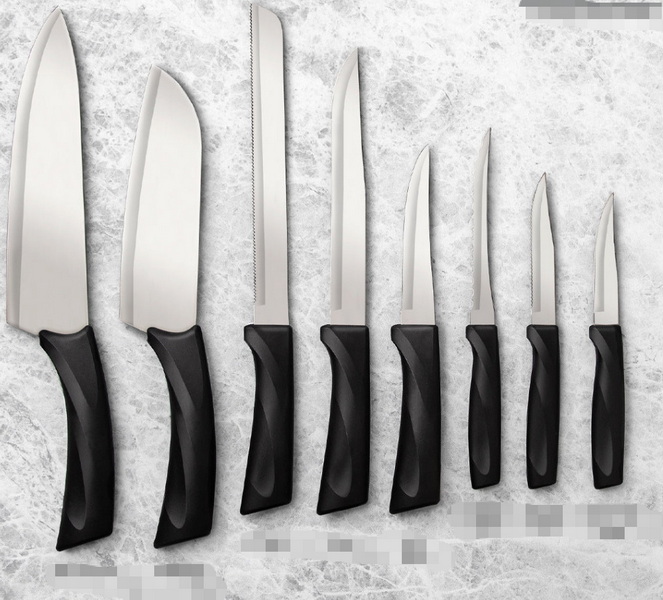
- Material selection: steel grades, hardness targets, corrosion resistance, and toughness impact performance across both Steak Knife and Utility Knife categories. For steak knives, edge retention on serrations and rust resistance in tableware environments are key. For utility knives, toughness and edge geometry compatibility with common prep tasks are critical.
- Blade edge processing: serrated versus straight-edge manufacturing, heat-treatment profiles, coatings, and surface finishes. Serrated blades require distinct grinding patterns and maintenance plans, while straight blades emphasize uniform edge geometry and uniform wear characteristics.
- Handle and finish: material choices, texture patterns, color options, and compatibility with branding guidelines. OEM programs often benefit from offering limited-edition finishes, custom engravings, or packaging embellishments to differentiate product lines.
- Safety and usability: weight distribution, grip texture, and tang design that promote control and reduce user fatigue. In high-volume production, robust QA protocols and repeatable assembly processes ensure consistent user experiences.
- Sanitation and regulatory compliance: tooling for hygienic finishes, ease of cleaning, and compliance with food-contact material standards across target markets. This reduces post-sale issues and supports international distribution.
- Hardness vs. toughness: balancing edge retention and resistance to chipping, especially relevant for serrated versus straight edges.
- Corrosion resistance: stainless steel alloys with proper protective finishes suit long-term use in both home and professional environments.
- Surface finishes: satin, mirror, and specialized coatings can influence both aesthetics and cleaning performance.
- Handle materials: wood and composites provide aesthetics but require sealing and moisture resistance; synthetic options offer durability and ease of care.
- Knife selection strategy: help consumers choose based on typical tasks—Steak Knife for table-ready meat portions; Utility Knife for versatile prep work. Emphasize the appropriate scenarios to reduce misuse and extend blade life.
- Cleaning and storage: recommend hand washing or dishwasher compatibility as appropriate, thorough drying, and keeping blades sheathed or stored in dry environments to minimize corrosion.
- Sharpening routines: straight-edge blades may be sharpened more easily at home; serrated blades benefit from periodic professional sharpening to maintain bite strength.
- Maintenance planning: implement rotation schedules for high-use blades, identify replacement cycles, and establish QA checks for edge performance.
- Training and after-sales: provide end-users with concise maintenance manuals, video tutorials, and warranty information to reinforce brand confidence and reduce support inquiries.
- Prioritize table-ready aesthetics with consistent blade-to-handle color balance.
- Consider serration pattern options to differentiate within product lines and influence maintenance expectations.
- Emphasize comfortable, elegant handles that align with dining-room decor while retaining practical grip for quick cuts.
- Focus on versatility and robustness, with ergonomic grips that withstand repeated washing and heavy prep cycles.
- Offer blade profile variants (straight and serrated) to address diverse regional cuisines and user preferences.
- Ensure compatibility with common blade replacement ecosystems to support maintenance cycles in both households and professional kitchens.
- Asian markets may favor lighter weight, refined aesthetics, and brand-driven packaging; European and North American markets may prioritize durability, culinary heritage, and kitchen safety standards.
- Packaging and labeling should reflect certifications, blade materials, and care instructions in multiple languages to facilitate global distribution.
- OEM collaboration opportunities include co-branding, limited-edition finishes, and integration with existing dinnerware lines for cohesive kitchen ensembles.
Steak Knife and Utility Knife occupy complementary roles in modern kitchens, with Steak Knife excelling at delivering clean, controlled table cuts of meat and Utility Knife offering broad versatility for prep tasks. For OEM producers, the most compelling strategy is to offer differentiated blade geometries, robust material choices, and cohesive branding across both knife families, while providing clear care guidelines and scalable manufacturing processes. This approach enables a brand to present a harmonized, high-value knife set that meets diverse consumer needs—from dinner tables to bustling professional kitchens—without compromising on performance, safety, or aesthetics. The integration of media-rich content, thoughtfully designed packaging, and precise customization options will strengthen the market position of OEM partners in a competitive global landscape. Stakeholders are encouraged to request samples, discuss material specifications, and explore co-branding opportunities to accelerate time-to-market and maximize return on investment.
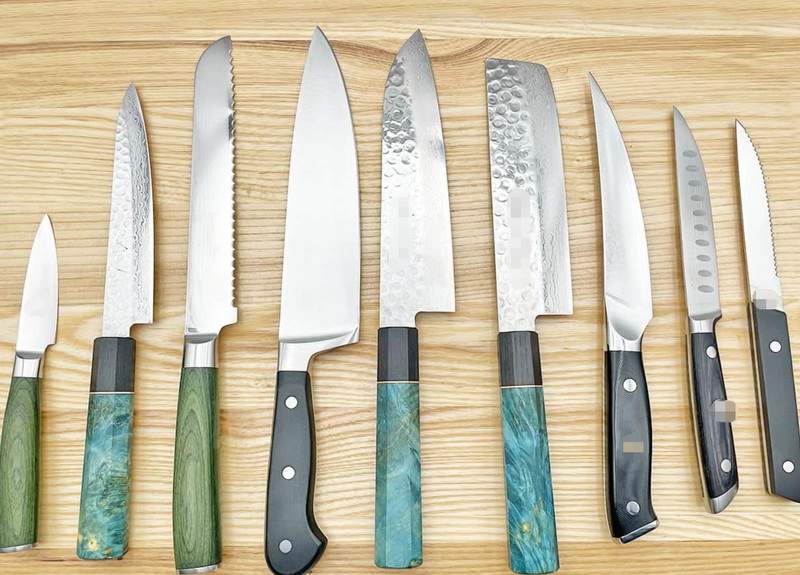
- The Steak Knife is designed for cutting cooked meat at the table, typically featuring a serrated blade, while the Utility Knife is a versatile prep knife with a straight blade intended for a wide range of kitchen tasks.
- It can be used in a pinch, but its serrated edge may not deliver the same precision or speed as a dedicated Utility Knife or Chef's Knife for vegetables; using it broadly can wear the edge more quickly.
- Utility Knife with a straight blade is generally easier to sharpen frequently using common sharpening tools, whereas serrated Steak Knife blades require specialized sharpening techniques to preserve bite and serration integrity.
- High-carbon stainless steels with balanced hardness and corrosion resistance, combined with aesthetically matching handles and durable finishes, are favored for OEM Steak Knife lines; coatings can enhance appearance and durability depending on market needs.
- Consider target consumer use cases (table service vs prep work), maintenance expectations, regional culinary practices, and the desired branding impact; cohesive sets with consistent design language tend to perform best in global markets.


