- All
- Product Name
- Product Keyword
- Product Model
- Product Summary
- Product Description
- Multi Field Search

Views: 222 Author: Ann Publish Time: 2025-11-12 Origin: Site


Content Menu
● Why China for Pizza Cutter OEM
● Key Design and Engineering Considerations
>> Blade technology and materials
>> Handle design and ergonomics
>> Assembly, tolerances, and reliability
>> Finishing and surface treatment
>> Packaging, labeling, and branding
● Manufacturing Capabilities and Processes
>> Raw material sourcing and quality control
>> Surface finishing and assembly
>> Quality assurance and certifications
● Customization Pathways for Foreign Brands
>> Branding and packaging integration
>> Compliance and documentation
● Operational Excellence in the OEM Relationship
>> Transparent communication and project governance
>> Sample development and iteration
>> Lead times and capacity planning
● Case Studies and Practical Insights
>> Premium line with stabilized wood handle
>> Ergonomic, light-weight urban model
>> Branding-forward packaging showcase
● Materials and Safety Considerations
>> Cleanability and sanitation
>> Durability under typical kitchen conditions
● Procurement Guidance: Selecting an OEM Partner
● Production Readiness and Global Logistics
● FAQ
>> What materials are commonly used for pizza cutter blades?
>> How is blade edge sharpness maintained over time?
>> Can packaging be customized for brand campaigns?
>> How long does it take to develop a custom pizza cutter from concept to mass production?
>> What documentation accompanies an OEM pizza cutter project?
China-based factories specializing in kitchen tools have built a robust ecosystem for OEM collaborations with foreign brands, distributors, and manufacturers. Pizza Cutter is a product category where precision, ergonomics, sanitation, and branding converge into a competitive offering. This article, written from the perspective of an experienced OEM kitchen knife and tool producer, explores why Chinese manufacturers are well-positioned to deliver high-quality pizza cutters, the critical engineering and manufacturing processes involved, and practical guidance for selecting an OEM partner. It also showcases how a well-integrated supply chain—ranging from material selection to finished packaging—can accelerate time-to-market while maintaining strict quality standards.

- Global demand for pizza cutters with durable blades, ergonomic handles, and hygienic finishes is rising. Chinese OEMs leverage scale, diverse material suppliers, and advanced machining capabilities to meet varied specification demands at competitive costs. This combination of flexibility and efficiency is particularly valuable for brands seeking rapid prototyping and scalable production. Pizza Cutter projects benefit from responsive communication channels, flexible MOQs, and robust logistical options. The result is a compelling value proposition for international buyers. This section anchors the business rationale with practical considerations and sets expectations for product development timelines.
- A mature tooling and plastics ecosystem supports complex customization, including blade geometry, handle materials, surface finishes, packaging, and branding, all while complying with international safety and food-contact standards. This enables OEM partners to tailor products to regional culinary cultures, price points, and regulatory requirements.
- Material choices frequently include 304 or 316L stainless steel for corrosion resistance and food safety, with alternative high-carbon stainless steels for exceptional edge retention in premium lines. The blade geometry—whether a conventional wheel or a specialized serrated edge—affects cutting efficiency on crusts of varying thickness. Surface hardening and precise edge geometry are critical for long-term performance under regular cleaning cycles. In an OEM setting, blade tolerances, burr control, and straightness are defined in product drawings and validated during QA inspections.
- Handle ergonomics influence grip comfort, control, and fatigue during extended use. Material options span stainless steel frames with polymer or composite overmolds, to all-wood or stabilized wood for premium tiers. The interface between blade hub and handle must resist torque and torsion during rolling cuts, with consideration given to slip resistance and ease of cleaning. Custom colorways and branding are achievable, facilitated by inject molding, anodizing, or coating processes.
- The assembly sequence typically includes blade-to-hub attachment, hub-to-handle fastening, and final alignment to ensure the wheel runs true. Critical tolerances govern wheel concentricity, hub bore fit, and blade mounting stiffness, all of which influence cutting performance and noise. A well-documented assembly process with poka-yoke or simple fail-safes reduces misassembly.
- Finishes range from brushed stainless steel, matte or high-polish surfaces, to protective coatings that resist discoloration and biofilm formation. Food-safe coatings, passivation, and anti-corrosion treatments are standard requirements to meet international food-contact regulations. Finishes are selected not only for aesthetics but also for ease of cleaning and long-term durability.
- Packaging should protect the product during transit while presenting branding clearly. Packaging customization includes inner trays, protective sleeves, instruction sheets, QR codes for care guides, and branded outer cartons. Labeling must comply with international regulations, including material safety and country-of-origin disclosures.
- Reputable suppliers for stainless steel and polymers provide certificates of origin, material composition, and mechanical property data. Incoming inspection checks hardness, thickness, and surface finish, ensuring consistency across batches. Traceability is established for each lot, supporting recalls if necessary.
- Blade wheels are produced via stamping or precision machining, followed by heat treatment and tempering to achieve specified hardness. Housings, hubs, and handles are machined to precise tolerances, with secondary operations such as deburring, radiusing, and drilling performed to meet design requirements. For premium lines, CNC machining ensures repeatability for complex geometries and branding features.
- Finishes include deburring, grinding, polishing, and coating. Assembly teams perform blade-hub and hub-handle integrations, with routine torque checks and alignment verifications. Final assembly includes ergonomic validation and basic functional tests such as blade rotation and cutting trials on standard test media.
- QA programs comprise inbound material testing, in-process checks, and final inspections with documented evidence. Common certifications referenced by international buyers include food-grade compliance, material safety certificates, and third-party testing reports.
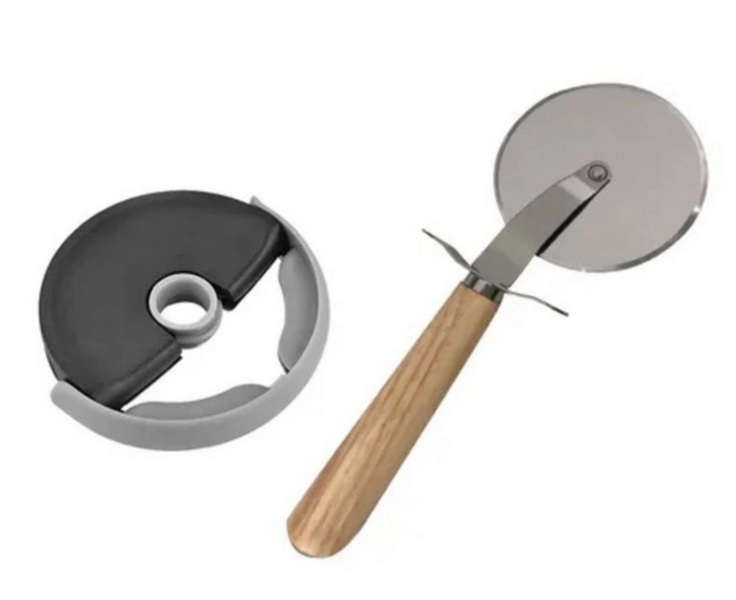
- OEM partners can translate brand concepts into technical specifications, enabling bespoke blade shapes, unique wheel dimensions, and brand-specific handle materials and colors. Rapid prototyping supports early-stage validation of ergonomics and cutting performance. Pizza Cutter
- Full packaging solutions align with brand identity, including die-cut inserts, color palettes, and multilingual care instructions. Brand collateral can be co-developed with the OEM team to ensure a cohesive market presence.
- OEM manufacturers can provide design dossiers, material declarations, and third-party test results to support regulatory submissions and retailer certifications. This documentation helps brands avoid compliance delays in key markets.
- Clear milestones, change-control processes, and regular status updates ensure alignment between the brand and the manufacturing partner. A dedicated account manager coordinates design reviews, samples, and production planning.
- Initial samples enable real-world testing of grip, edge performance, and ease of maintenance. Iterations refine blade geometry, handle ergonomics, and overall balance before scaling to mass production.
- Efficient scheduling and production planning minimize time-to-market. Capacity can be scaled for peak demand periods, and risk mitigation strategies (dual sourcing, safety stock) reduce supply chain disruption.
- A brand seeking premium aesthetics paired with high-performance steel can opt for a stabilized wood handle and a corrosion-resistant blade. The development cycle emphasizes woodworking precision, insert integration, and long-term finish stability. Visuals show the transition from wood blank to finished product, with close-ups on grain alignment and adhesive bonding.
- For mass-market urban kitchens, a lighter blade and simplified handle shape reduce fatigue and improve user experience. The project emphasizes cost-effective materials, efficient molding processes, and high-yield production lines. Video clips can demonstrate user testing with chefs comparing grip comfort across models.
- A comprehensive branding package centers on distinctive packaging design, branded manuals, and a branded maintenance card. This case study highlights how packaging design enhances shelf appeal and supports consumer education on care and cleaning.
- All materials and coatings intended for contact with food must meet international safety standards (e.g., FDA-equivalent or EU approvals). Documentation includes material safety data sheets (MSDS), supplier declarations, and third-party test results.
- Smooth surfaces, minimal crevices, and corrosion-resistant finishes facilitate cleaning and reduce biofilm potential. Edge geometry is designed to minimize food entrapment in joints.
- Cutters are exposed to frequent washing, varying temperatures, and occasional abrasion from crusts and toppings. Designs include robust blade hubs, secure blade locking, and moisture-resistant seals for extended life.
- Material stability, blade edge retention, ergonomic comfort, assembly reliability, surface finish durability, packaging quality, lead times, MOQs, and after-sales support. Request sample sets with test protocols to verify performance under realistic kitchen conditions.
- Decide between turnkey development (design to packaging) or component-level sourcing (blades only, handles, etc.). Clarify responsibilities for tooling, IP protection, and change management.
- Establish supply chain visibility, component traceability, and contingency plans for raw material fluctuations. Confirm a quality agreement outlining acceptance criteria and corrective actions.
- Modern manufacturing facilities with clean rooms for assembly areas, calibrated metrology equipment, and trained QA staff support consistent output. Regular internal audits ensure compliance with global manufacturing standards.
- Flexible incoterms (FOB, CIF, DAP) and strategic warehouse locations enable efficient distribution across North America, Europe, the Middle East, and Asia-Pacific. Documentation for customs clearance and duties is prepared to minimize transit delays.
In the competitive landscape of kitchen tools, high-quality Pizza Cutters require a deliberate blend of material science, precision engineering, ergonomic design, and stringent quality assurance. Chinese OEM manufacturers provide this combination through integrated supply chains, flexible customization, and scalable production capacities. For foreign brands seeking dependable partners to deliver consistent performance, branding cohesion, and timely delivery, China-based pizza cutter OEMs stand out as a strategic choice.
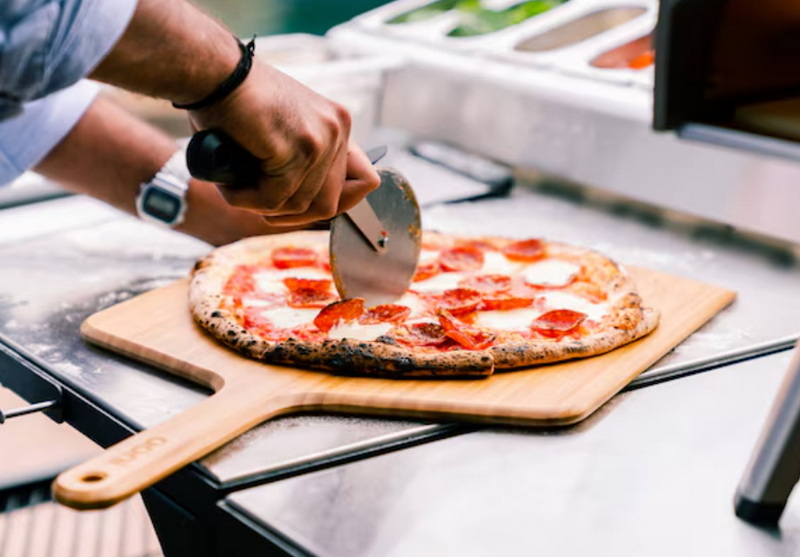
- Common choices include 304/316L stainless steel for corrosion resistance and food safety, with high-carbon stainless steels for edge retention in premium lines. The final selection depends on balance among cost, durability, and maintenance needs.
- Edge precision is achieved through controlled grinding, honing, and proper edge geometry. Regular maintenance instructions are provided to end users, and sample testing validates edge retention under typical kitchen use.
- Yes. OEM partners offer fully branded packaging, including inner trays, outer cartons, instruction manuals, and QR code integration for care guides and marketing materials.
- Typical timelines span several weeks for concept validation and sample iterations, followed by tooling, pilot runs, and scale-up. Exact timing depends on design complexity, material choices, and packaging requirements.
- Documentation often includes material declarations, safety certificates, third-party test reports, assembly instructions, and packaging compliance details. The OEM partner can provide a comprehensive design dossier tailored to target markets.


