- All
- Product Name
- Product Keyword
- Product Model
- Product Summary
- Product Description
- Multi Field Search

Views: 222 Author: Ann Publish Time: 2025-11-26 Origin: Site


Content Menu
● The Importance of Quality in a Household Knife Set
● Key Features to Look for in a Household Knife Set
● Advantages of a Quality Household Knife Set
● Selecting the Right Knife for Your Cooking Style and Needs
● Maintaining Your Household Knife Set for Longevity
● Balancing Cost and Quality in Your Household Knife Set Purchase
● Frequently Asked Questions (FAQs)
>> Q1: What knives are essential in a quality household knife set?
>> Q2: How do I know if a knife is high quality?
>> Q3: Can kitchen knives be cleaned in the dishwasher?
>> Q4: How often should I sharpen my household knives?
>> Q5: What is the difference between forged and stamped knives?
A high-quality household knife set is one of the most essential investments for any kitchen. Whether you are a passionate home cook or a professional, having reliable, sharp, and well-balanced knives makes meal preparation much safer, faster, and enjoyable. Quality directly influences performance, comfort, and longevity, making it crucial to not settle for cheap alternatives. This comprehensive guide details why quality matters in a household knife set, the features to look for, maintenance tips, and how the right set can enhance your cooking experience.
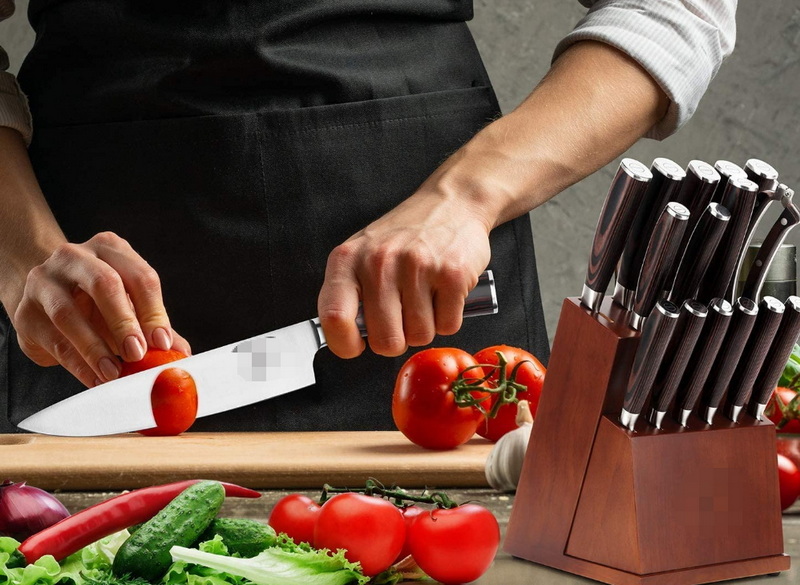
Investing in a quality household knife set ensures superior cutting precision and safety. High-quality knives utilize premium materials such as high-carbon stainless steel, which offers excellent sharpness, edge retention, rust resistance, and durability. These materials allow knives to maintain their sharpness longer, reducing the frequency and difficulty of sharpening. Additionally, high-quality knives typically undergo better manufacturing processes, such as forging, providing strength and balance for efficient cutting.
Ergonomic handles in quality knife sets are designed to offer comfort and reduce hand fatigue during extended use. Good balance between blade and handle provides better control, preventing slips and accidents in the kitchen. Quality also ensures the knives will withstand everyday use without chipping, bending, or corroding, making your investment worthwhile over time.
When selecting a household knife set, paying attention to the following features helps guarantee you receive a quality set that matches your culinary needs:
- Blade Material: Premium high-carbon stainless steel is best for sharpness, corrosion resistance, and durability. Some knives feature laminated steel with a hard core for sharpness and softer outer layers for easy resharpening.
- Knife Types: A complete set should include essential knives such as a chef's knife (8-inch), paring knife, serrated bread knife, utility knife, and optionally a cleaver or santoku for versatility.
- Construction: Forged blades offer superior durability, strength, and balance compared to stamped blades, which tend to be thinner and less robust.
- Handle Design: Ergonomic, non-slip handles made from durable materials (wood, composite, or high-quality plastic) provide comfort and improved control.
- Maintenance: Consider how easy it is to clean and sharpen the knives. Hand wash is preferred for longevity, and some sets come with sharpening tools or recommendations.
- Balance and Weight: A well-balanced knife feels comfortable and natural, reducing strain and increasing safety.
Owning a high-quality household knife set brings numerous advantages that enhance the overall cooking experience:
- Durability: High-grade materials and skilled craftsmanship ensure the knives last for many years without losing sharpness or structural integrity.
- Precision: Sharp, well-balanced blades allow for clean, precise cuts, which improve food presentation and reduce waste.
- Safety: Sharp blades require less force to cut through food, while ergonomic designs minimize the risk of slips and injuries.
- Value: Though the upfront cost is higher, quality knives reduce the need for replacements and frequent sharpening, saving money over time.
- Aesthetic and Practical: Quality knobs and blocks also add a stylish touch to your kitchen while keeping knives organized and protected.
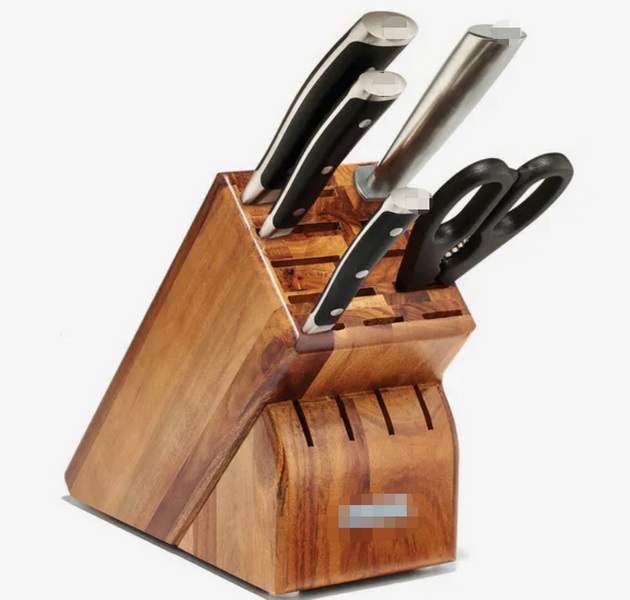
Choosing the perfect household knife set depends on your cooking habits and kitchen tasks. Some cooks prioritize versatility, while others prefer specialized knives for certain preparations.
- Chef's Knife: The core of any household set, ideal for chopping vegetables, slicing meats, and general-purpose cutting.
- Paring Knife: Best for peeling and delicate tasks like slicing small fruits.
- Bread Knife: Serrated edge ideal for cutting bread without crushing.
- Utility Knife: A mid-size knife for miscellaneous kitchen tasks.
- Other specialized knives like cleavers or santoku offer additional utility based on cuisine preferences.
For beginners, starting with a smaller set focusing on the essential knives (chef's, paring, bread) is practical. More experienced cooks may expand their set to include boning, carving, or fillet knives for precision.
Proper care is essential to preserve the quality and sharpness of your knives:
- Sharpen regularly using proper tools such as whetstones, honing rods, or professional sharpening services.
- Always hand wash knives immediately after use, dry thoroughly to prevent rust, and avoid dishwashers.
- Store knives safely in a knife block, magnetic strip, or protective sheath to protect the edges from damage.
- Use cutting boards made of wood or plastic and avoid hard surfaces like glass or granite that dull blades quickly.
- Periodically check handles, rivets, and blades for any damage or looseness, and address repairs promptly.
While quality household knife sets usually have a higher initial cost, the long-term value and cooking enjoyment greatly outweigh cheaper alternatives that dull quickly and require frequent replacement. The choice depends on your budget, but investing in quality materials like German stainless steel or Japanese tempered steel ensures durability and performance.
Affordable mid-range brands can offer excellent quality for home use, while premium lines are suited for culinary enthusiasts seeking professional-grade performance.
Choosing a quality household knife set is a smart and worthwhile investment for any kitchen. Such sets provide the durability, sharpness, safety, and ergonomic comfort that make food preparation easier and more enjoyable. By focusing on materials, construction, knife variety, and maintenance, you ensure your kitchen tools last longer and perform consistently. Whether you are a novice or seasoned cook, a well-crafted household knife set elevates your culinary experience.
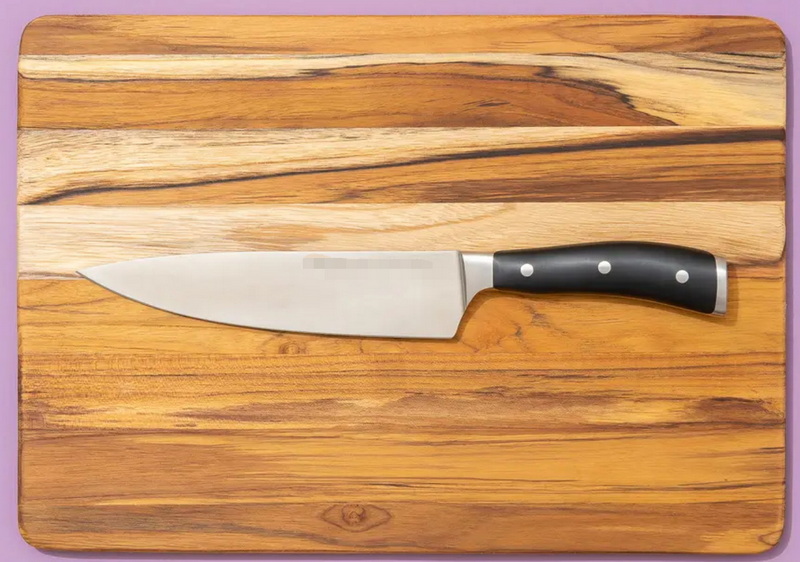
A1: A good set generally includes a chef's knife, paring knife, serrated bread knife, and utility knife to cover most kitchen tasks.
A2: Look for high-carbon stainless steel blades, forged construction, ergonomic handles, and positive reviews about sharpness and durability.
A3: It is best to hand-wash knives to protect the blade and handle from dulling and corrosion caused by dishwasher detergents and heat.
A4: Sharpen knives every few months or when you notice decreased cutting performance; honing can be done more frequently to maintain edge alignment.
A5: Forged knives are made from a solid piece of steel, offering better balance and durability, while stamped knives are cut from steel sheets and are generally thinner and less robust.


