
Views: 222 Author: Ann Publish Time: 2025-11-13 Origin: Site


Content Menu
● Why Stainless Steel Stands Out
● Design Considerations for Optimal Performance
● Types and Applications: What Works Best for What
● Performance Benefits in Real-World Use
● Comparison with Other Materials
● Materials, Finishes, and Customization for OEM Partners
● Practical Tips for Usage and Maintenance
● Market Trends and Buyer Insights
● FQA
>> 1: What is the main advantage of using a stainless steel pizza cutter?
>> 2: How should a stainless steel pizza cutter be cleaned and maintained?
>> 3: Can a stainless steel pizza cutter handle thick-crust or stuffed pizzas?
>> 4: What are common customization options in OEM programs for pizza cutters?
>> 5: How does edge retention in stainless steel compare with other materials?
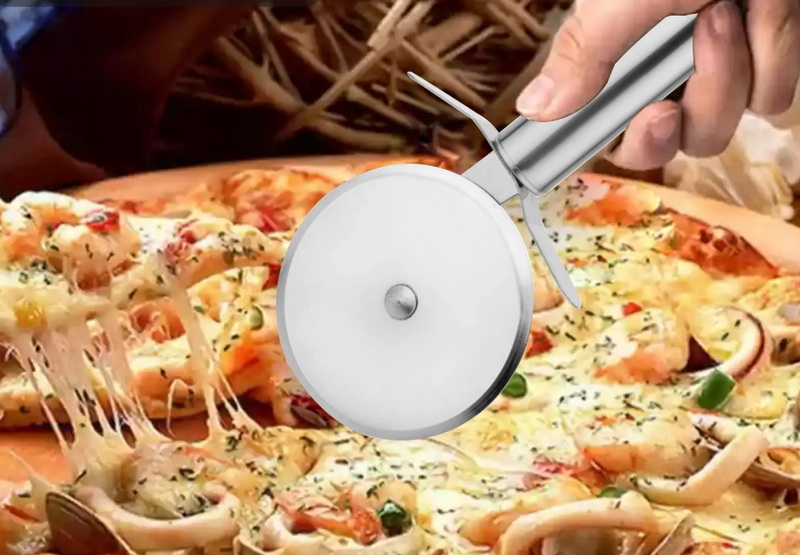
In commercial kitchens and home settings alike, the humble pizza cutter is more than a convenience; it is a critical tool that influences speed, hygiene, and portion control. A high-quality pizza cutter made from stainless steel offers durability, corrosion resistance, and ease of cleaning that can withstand the rigors of busy operations. This article explores the manifold benefits of stainless steel pizza cutters, compares them with other materials, and provides practical guidance for selection, maintenance, and OEM considerations for international brands, wholesalers, and manufacturers.

A stainless steel pizza cutter excels in environments where sanitation and longevity matter most. The blade's edge retention reduces the need for frequent sharpening in high-volume settings, while stainless steel resists rust and staining, which translates to lower maintenance and higher product lifespans. Ergonomic handles designed for comfort complement the robust blade, ensuring precise cuts during extended use. For brand partners seeking reliable performance, stainless steel offers a universally adaptable baseline that aligns with varied culinary standards across regions.
- Blade geometry and metallurgy: The cutting edge should combine hardness with toughness to resist chipping while maintaining a clean, smooth slice through cheese, toppings, and crust. A well-chosen alloy in a tempered steel debuts superior edge retention and easier sharpening.
- Handle ergonomics: A comfortable, slip-resistant handle reduces wrist fatigue and improves control, particularly during service surges. Consider handle profiles that accommodate long hours of cutting with reduced risk of slippage.
- Weight distribution: Balanced weight ensures stable control without excessive force. A cutter that feels natural in the hand helps maintain consistent slice thickness.
- Hygiene-centric design: Seamless joins, smooth surfaces, and minimal crevices reduce food entrapment. Integral guards or finger protections preserve safety during high-speed use.
- Cleaning and care: Stainless steel is dishwasher-safe in many cases, but manufacturers should specify cleaning guidelines to preserve edge integrity and finish over time. Avoid harsh abrasives that could dull the blade or wear the handle.
- Round wheel cutters: Classic and versatile, ideal for home kitchens and smaller pizzerias. They offer predictable cuts and are easy to maneuver around toppings.
- Rocker (swing) cutters: Provide efficient large-scale slicing in busy kitchens, enabling swift, sweeping motions across multiple pizzas. They're favored in pizzerias and catering operations where speed is essential.
- Rectangular or straight-edge cutters: Useful for precise portions and specialty crusts; can be paired with guide rails or mats in assembly lines for uniform slicing.
- Specialty and kids' cutters: Smaller blades or themed shapes are suitable for family kitchens and promotional packaging, enabling customized branding opportunities in OEM programs.
- Consistent portioning and presentation: A sharp stainless steel blade yields uniform slices with clean edges, enhancing plate appearance and customer satisfaction.
- Hygiene and safety advantages: Stainless steel's corrosion resistance minimizes bacterial growth in micro-crevices, and ergonomic designs with guards help reduce accidental slips.
- Longevity and cost efficiency: While higher upfront costs may accompany premium stainless steel models, the long service life and lower maintenance costs can reduce total cost of ownership for restaurants, bakeries, and food service distributors.
- Cross-functional utility: Beyond pizza, stainless steel cutters excel in slicing pastry, flatbreads, or layered sheets, enabling kitchen staff to perform multi-task operations with a single tool.
- Ceramic blades: While sharp and aesthetically appealing, ceramic blades tend to be more brittle, posing higher risk of chipping and breakage in busy kitchen environments.
- Plastic components: Plastic blades or frames are lightweight but typically wear faster, may stain, and can harbor bacteria if not properly cleaned.
- Stainless steel vs other metals: Stainless steel blends durability with ease of cleaning, while some alloy compositions may require careful maintenance to prevent patina or surface issues in humid environments.
- Value proposition for OEM partners: Stainless steel offers a reliable, scalable material choice that accommodates branding, packaging customization, and regional compliance across North America, Europe, and Asia.
- Finishes: Brushed, polished, or matte finishes affect aesthetics and maintenance. Brushed finishes often show fewer fingerprints, while polished finishes offer a sleek look in premium product lines.
- Surface treatments: Corrosion-resistant coatings or protective sealants can enhance longevity in salty or humid environments, essential for commercial kitchen contexts near oceans or desalination facilities.
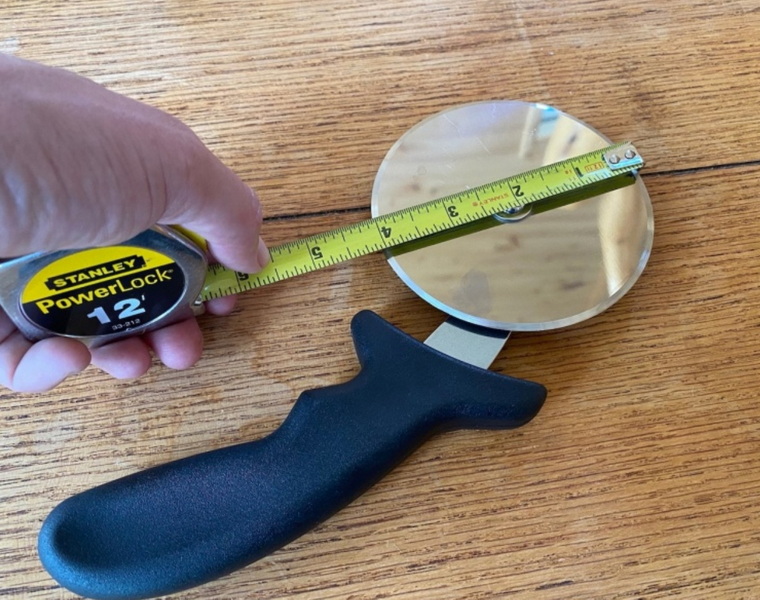
- Customization options: Blade width, wheel diameter, blade thickness, handle material (stainless steel, steel alloys, or polymer composites), color accents, logo engraving, and packaging design are common OEM customization vectors.
- Compliance and safety: Ensure that blades meet food-contact safety standards and certifications relevant to target markets (FDA-equivalents, EU food-contact regulations, etc.). This is crucial for international brand partnerships.
- Cleaning: Rinse or wash promptly after use to prevent residue build-up. Dry thoroughly to minimize water spots and corrosion risk.
- Sharpening: Establish a maintenance schedule based on usage intensity. Use manufacturer-recommended sharpening tools or services to avoid blade damage.
- Storage: Keep in a dry location, ideally hanging or in a sheath to prevent accidental cuts and protect the blade edge.
- Safety practices: Use proper cutting motion, keep fingers away from the blade edge, and maintain grip with a non-slip handle to prevent mishaps during high-volume service.
- Growing emphasis on hygiene and durability in food service procurement drives preference for stainless steel pizza cutters, especially in professional kitchens and high-volume pizzerias.
- Brand partners increasingly seek OEM programs that enable logo placement, packaging customization, and regional compliance to support international distribution.
- The pizza cutter market benefits from narrative marketing that ties tool performance to improved workflow, portion consistency, and food safety.
A stainless steel pizza cutter is a foundational tool in any kitchen—home or professional—thanks to its durability, hygiene advantages, and long-term cost-effectiveness. For OEM partners, stainless steel provides a versatile platform for branding, customization, and market-ready solutions that meet diverse regulatory and culinary needs. By selecting the right blade geometry, ergonomic handle, and finish, and by implementing a thoughtful maintenance program, brands can deliver pizza cutters that perform reliably across North American, European, and Asian markets.
A1: The main advantage is durability and hygienic performance; stainless steel blades resist rust and corrosion, maintain a sharp edge longer, and are easier to clean, making them ideal for high-volume kitchens.
A2: Clean it with warm soapy water after use, dry thoroughly, and store in a dry place. For high-frequency use, occasional sharpening may be needed to preserve edge sharpness.
A3: Yes, a well-designed stainless steel pizza cutter with a sturdy blade and appropriate wheel or edge geometry can cut through thick crusts and toppings, though power and technique also influence performance.
A4: Common options include blade width, handle material and color, logo engraving, blade finish (brushed, polished, matte), packaging design, and inclusion of protective sheaths or display stands.
A5: Stainless steel blades generally offer superior edge retention in kitchen environments, especially when paired with proper maintenance, though certain ceramic or composite blades may stay sharper for limited tasks but lack the same durability in busy professional use.


