
Views: 222 Author: Ann Publish Time: 2025-06-24 Origin: Site


Content Menu
● Yangjiang SAAFI Industry and Trade Co., Ltd.
>> Overview
>> Strengths
● Leading Kitchen Knife Manufacturers and Suppliers in Bangladesh
>> 1. Bangladesh Blade Factory Limited
>> 2. Local Industrial Knife Suppliers in Dhaka
>> 3. Importers and Distributors of Kitchen Knives
● Expanding the Knife Manufacturing Industry in Bangladesh
>> Emerging Private Manufacturers
>> Challenges and Opportunities
>> Innovation in Knife Design and Materials
● Market Trends and Import Data
● Why Choose Bangladesh for Kitchen Knife Sourcing?
● Frequently Asked Questions (FAQs)
>> Q1: Who are the top kitchen knife manufacturers in Bangladesh?
>> Q2: What is the role of Yangjiang SAAFI Industry and Trade Co., Ltd. in Bangladesh?
>> Q3: Which countries are the major suppliers of knives to Bangladesh?
>> Q4: What types of knives are commonly imported and manufactured in Bangladesh?
>> Q5: How is the kitchen knife market expected to grow in Bangladesh?
In the dynamic kitchenware market, Bangladesh is emerging as a notable hub for knife manufacturers and suppliers. With increasing demand from both domestic and international markets, the country hosts a variety of companies specializing in kitchen knives, industrial cutting tools, and blades. This article highlights the top kitchen knife manufacturers and suppliers in Bangladesh, focusing on their capabilities, products, and market presence. We place special emphasis on Yangjiang SAAFI Industry and Trade Co., Ltd., a leading Chinese OEM partner serving many international brands, including those in Bangladesh.

Yangjiang SAAFI Industry and Trade Co., Ltd. is a premier kitchen knife manufacturer based in China, renowned for its OEM services to global brands, wholesalers, and producers. Although not a Bangladeshi company, SAAFI plays a significant role as a supplier to the Bangladesh market, offering high-quality kitchen knives and cutting tools. Their expertise in steel selection, blade technology, and ergonomic handle design makes them a preferred partner for many Bangladeshi importers and distributors.
- Professional chef knives
- Utility and paring knives
- Specialty kitchen knives (e.g., cleavers, fillet knives)
- Customized OEM products tailored to client specifications
- Advanced manufacturing technology ensuring precision and durability
- Strict quality control aligned with international standards
- Flexible OEM services catering to various branding and packaging needs
- Competitive pricing with reliable delivery schedules
A government-owned enterprise established in 1985, Bangladesh Blade Factory Limited specializes in the production of razor blades and cutting tools. Though primarily focused on razor blades, the company has a historical significance in Bangladesh's blade manufacturing sector and is exploring modernization to expand its product range.
- Established with technical support from Wilkinson Sword, UK
- Produces millions of blades annually, serving local markets
- Facing competition from private manufacturers but remains a key player
Dhaka, the capital city, hosts numerous suppliers and manufacturers of cutting and trimming tools, including kitchen knives. These companies cater to the needs of manufacturers and craftsmen, providing a range of products from industrial cutting knives to kitchenware.
- Offer tools such as chisels, cutters, and knives for various applications
- Serve both industrial and domestic markets with customized solutions
Bangladesh imports a significant volume of knives from countries like China, Vietnam, and Japan, with China accounting for about 33% of imports. Major importers include companies serving tobacco, paper, and footwear industries that require specialized cutting tools.
- British American Tobacco Bangladesh Company Ltd.
- Bashundhara Paper Mills Ltd.
- Juki Machinery Bangladesh Ltd.
These companies often source from international manufacturers like Yangjiang SAAFI to meet quality and volume demands.
In recent years, several private companies in Bangladesh have begun investing in kitchen knife manufacturing, aiming to reduce dependency on imports and boost local production. These manufacturers focus on blending traditional craftsmanship with modern manufacturing techniques to produce knives that meet international standards.
- Use of stainless steel and high-carbon steel for better blade performance
- Introduction of ergonomic handles made from wood, plastic, and composite materials
- Development of branded kitchen knife lines targeting both local consumers and export markets
Despite growth, the kitchen knife manufacturing sector in Bangladesh faces several challenges:
- Raw Material Sourcing: High-quality steel is often imported, increasing production costs.
- Technology Gap: Many local manufacturers still rely on outdated machinery, limiting precision and scale.
- Skilled Workforce: There is a shortage of skilled artisans and technicians specialized in knife-making.
- Brand Recognition: Local brands struggle to compete with established international brands on quality perception.
However, these challenges also present opportunities:
- Government Support: Initiatives to modernize manufacturing and provide subsidies for technology upgrades.
- Export Potential: Growing demand in neighboring countries for affordable, quality kitchen knives.
- OEM Partnerships: Collaborations with international OEM manufacturers like Yangjiang SAAFI to transfer technology and expertise.
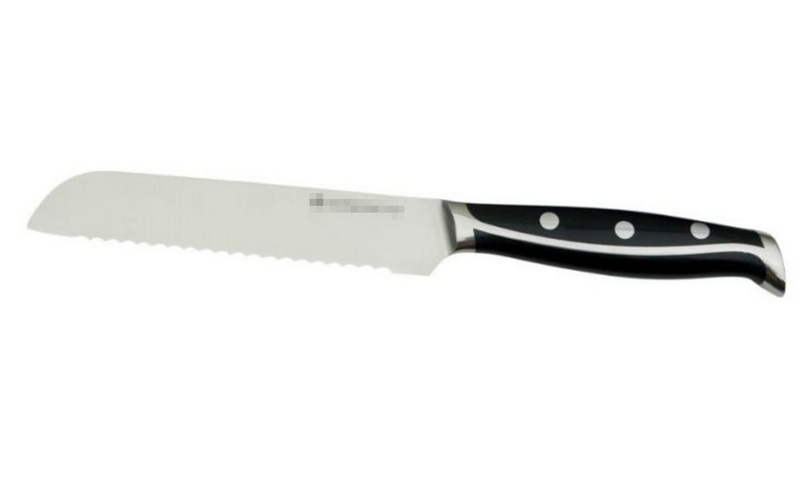
Bangladeshi manufacturers are increasingly experimenting with innovative knife designs and materials to differentiate their products. Some trends include:
- Multi-functional Knives: Combining slicing, dicing, and peeling functions in a single knife.
- Eco-friendly Handles: Using sustainable materials such as bamboo and recycled plastics.
- Blade Coatings: Applying non-stick or anti-corrosive coatings to enhance durability and ease of use.
These innovations help local manufacturers appeal to modern consumers who value both functionality and sustainability.
According to recent trade data, Bangladesh imported 1,876 shipments of knives between October 2023 and September 2024, supplied by 674 foreign exporters to 613 buyers. The knife import market in Bangladesh is growing rapidly, with a 41% increase in shipments compared to the previous year.
- China leads as the top supplier with a 33% market share
- Vietnam and Japan follow with 29% and 9% shares respectively
- The imports include kitchen knives, machine knives, carbide tips, and cutting tool parts
This growth reflects Bangladesh's expanding industrial and consumer demand for high-quality kitchen knives and cutting tools.
- Strategic location with growing industrial infrastructure
- Access to both local manufacturers and international OEM suppliers
- Competitive pricing due to lower labor and production costs
- Increasing quality standards and modernization efforts in manufacturing
Bangladesh's growing middle class and expanding food service industry also drive demand for quality kitchen knives, making it an attractive market for both manufacturers and suppliers.
Bangladesh's kitchen knife manufacturing and supply industry is evolving, supported by both local producers and international OEM partners like Yangjiang SAAFI Industry and Trade Co., Ltd. The synergy between local demand and global supply chains is fostering growth and diversification in the sector. For foreign brands, wholesalers, and producers, Bangladesh offers a promising market with opportunities for collaboration, cost-effective sourcing, and access to emerging consumer bases. Continued investment in technology, skilled labor, and innovation will further strengthen Bangladesh's position as a key player in the kitchen knife industry.
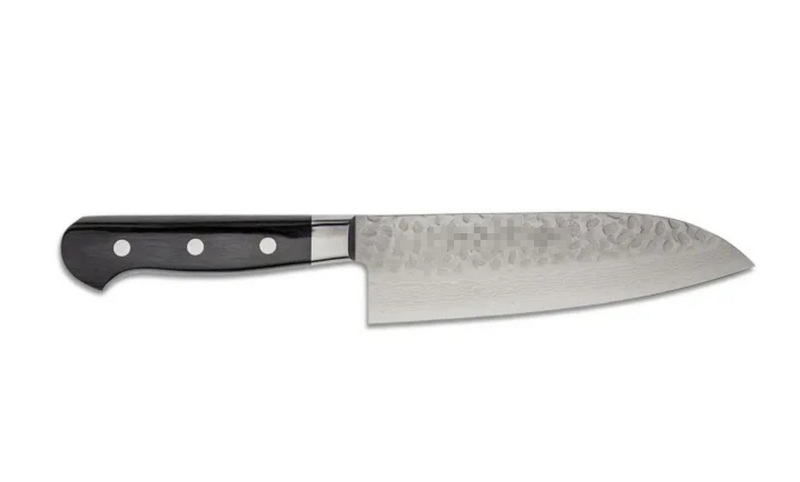
A1: Key players include Bangladesh Blade Factory Limited, various local suppliers in Dhaka, and international OEM partners like Yangjiang SAAFI Industry and Trade Co., Ltd. that supply the Bangladeshi market.
A2: Yangjiang SAAFI is a leading Chinese OEM manufacturer supplying high-quality kitchen knives and cutting tools to Bangladeshi importers and brands.
A3: China, Vietnam, and Japan are the primary suppliers, with China holding the largest market share of approximately 33%.
A4: Imports and local manufacturing include kitchen knives, razor blades, industrial cutting knives, cleavers, and specialized cutting tools.
A5: The market is growing rapidly with a 41% increase in knife imports over the last year, driven by rising demand in both consumer and industrial sectors.


