- All
- Product Name
- Product Keyword
- Product Model
- Product Summary
- Product Description
- Multi Field Search

Views: 222 Author: Ann Publish Time: 2025-11-01 Origin: Site


Content Menu
● Why a Good Steak Knife Matters for BBQs
● Key Features to Look For in a Steak Knife
● Materials and Build Considerations
● Ergonomics and Handling in Outdoor Environments
● Top Steak Knife Styles for Grilling
● Practical Setup: Knife Blocks, Sheaths, and Care
● OEM Considerations for International Brands
● The Role of Content in OEM Sales Enablement
● FAQ
>> Q1: What blade length is ideal for steak cutting outdoors?
>> Q2: Which steels balance sharpness and durability for outdoor use?
>> Q3: How should steak knives be maintained during outdoor trips?
>> Q4: What handle materials perform best outdoors?
>> Q5: How should a brand choose steak knives for an OEM line to fit different regional markets?
Outdoor barbecues are moments of shared flavor, craft, and technique. The right steak knife elevates every bite, turning thick-cut steaks, venison, or grilled pork into a precise, clean slice that preserves juiciness and presentation. For foreign brands, wholesalers, and manufacturers seeking to build or partner on OEM lines, the steak knife category offers a compelling canvas: design for performance, optimize for wear resistance, and tailor for regional preferences while maintaining scalable production. This article explores what makes a steak knife ideal for outdoor BBQs, how materials and ergonomics influence performance in open-air settings, and how OEM capabilities can meet diverse international market requirements.

A high-quality steak knife matters more outdoors than in a typical kitchen for several reasons. First, salt, fats, and ambient humidity can dull edge retention more quickly when blades are subjected to grease and heat during outdoor cooking. Second, outdoor environments demand predictable handling: a well-balanced steak knife should feel secure in the hand, with a comfortable grip that remains slip-resistant when fingers are gloved or greasy. Third, the visual appeal of a sharp, gleaming blade enhances the dining experience after a long day of grilling. For OEM brands, these factors translate into design requirements: choosing blade geometry, steel chemistry, handle material, and finishing processes that deliver consistent performance under varied outdoor conditions. The result is a knife that cuts cleanly through a thick ribeye, a juicy tomahawk steak, or a grilled lamb chop without tearing meat fibers or shredding crusts, while also projecting durability and brand reliability to international buyers. In this context, the Steak Knife becomes not just a tool, but a storytelling element in a brand's outdoor cooking narrative.
When selecting or developing a steak knife for outdoor BBQs, several features drive real-world performance and customer satisfaction:
- Blade geometry and edge retention: A slightly curved, narrow blade with a robust tip helps maintain precise control through thick cuts. A micro-bevel or fine-edge grind supports easier sharpening in field or home settings.
- Blade steel and heat treatment: A balance between hardness and toughness is essential for outdoor use. Widely adopted steels like high-carbon stainless variants offer good edge retention with reasonable corrosion resistance. For premium segments, damascus or laminated steels can provide distinctive aesthetics and cutting performance, while requiring higher maintenance discipline.
- Blade thickness and grain structure: Thinner blades reduce resistance during slicing but must retain stiffness to prevent flex. A thoughtfully chosen thickness paired with heat treatment yields a blade that stays sharp longer under repeated use.
- Handle ergonomics and material: Outdoors, grip traction and comfort are paramount. Materials such as PVD-coated steel, resin composites, G-10, Micarta, or stabilized wood offer varying levels of moisture resistance, weight, and tactile feedback. A full tang, ergonomic contour, and subtle palm swell improve control, especially when performing long cooking sessions.
- Balance and weight distribution: A well-balanced knife reduces user fatigue and enhances precision during long slicing tasks. OEM programs should consider customization of blade-to-handle weight ratios to meet regional preferences.
- Corrosion resistance and maintenance: Outdoor environments expose knives to salt air, marinades, and frequent washing. Stainless steel alloys with chromium and vanadium, combined with protective finishes, help maintain luster and reduce patina formation.
- Edge geometry for meats: For tougher meats, a slightly thicker spine near the bolster can improve stability, while a refined tip facilitates precise cuts near bone.
- Steel choices: High-carbon stainless steels offer a practical balance of edge retention and corrosion resistance for outdoor use. For premium lines, layered or Damascus-style constructions can deliver unique visual appeal and performance differentiation, though they demand more careful maintenance.
- Heat treatment: Proper heat treatment improves hardness and flexibility, essential for outdoor environments where blunt impacts or misalignment can occur during transport or use. Controlled quenching and tempering yield a blade that remains sharp yet less prone to chipping.
- Edge finishing: A fine ground edge with a consistent micro-bevel provides durability and easier touch-ups in the field. Mirror polishing offers aesthetic appeal but may require more frequent upkeep to maintain a pristine surface in outdoor settings.
- Handle materials: Outdoor-grade grips should tolerate moisture, temperature changes, and grease. Composite materials (e.g., resin composites, G-10, Micarta) tend to outperform wood in wet environments, while stabilized wood can offer a premium tactile experience for brands seeking luxury benchmarks.
- Coatings and protection: Light surface coatings or protective satin finishes can enhance corrosion resistance and reduce visible wear from frequent washing and outdoor use without compromising edge geometry.
Outdoor grilling emphasizes continuous, controlled cutting rather than brute force. Ergonomics impact comfort during long sessions and precision in every slice:
- Contoured handles with gentle finger grooves provide a secure grip even when hands are damp or gloved.
- Balanced weight distribution between blade and handle helps minimize wrist fatigue during extended family gatherings or competitions.
- Non-slip textures and materials maintain control on greasy or splattered surfaces.
- The tang design (full tang preferred for durability) ensures longevity under frequent use in outdoor conditions.
For OEM collaborations, engineers can tailor grip profiles and material compositions to regional preferences or brand aesthetics, while maintaining manufacturability and consistent quality across batches.
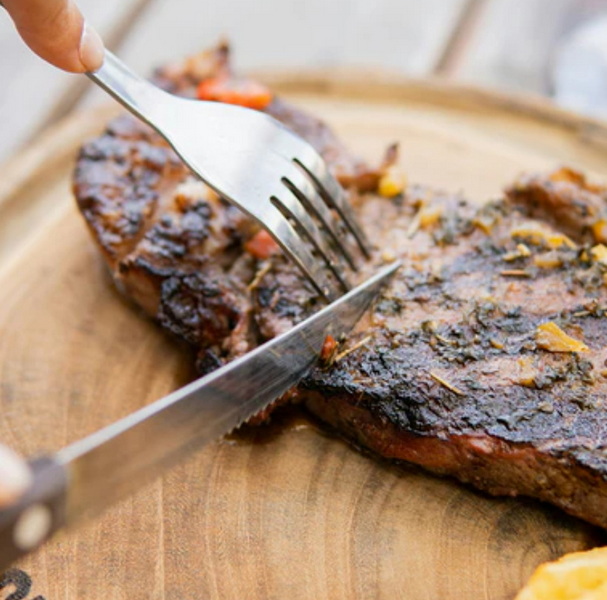
- Classic straight-edge steak knives: Reliable, easy to sharpen, and well-suited for everyday barbecue tasks.
- Curved or slightly hooked blades: Offer enhanced manipulation for trimming and precise slicing around bones.
- Serrated variants: Useful for partially crusted surfaces or when a serrated edge helps begin an initial cut on tougher crusts, though they may dull differently from plain edges.
- Damascus or laminated blades: Provide distinctive patterns and premium appeal for high-end OEM lines; they require careful maintenance but can justify premium pricing with enhanced aesthetics.
- Specialty handles: Wood, stabilized wood, G-10, or resin handles can be selected to align with branding, region, or price tier.
To support outdoor use and retail appeal, consider packaging and accessories that reinforce value:
- Knife blocks and magnetic stands designed for outdoor kitchens or portable setups.
- Sheaths or belt pouches for field-grade carry, ensuring safe transport in BBQs at parks or campsites.
- Built-in sharpening guides or compact honing tools suitable for field maintenance.
- Clear care instructions emphasizing cleaning, drying, and storage to prevent corrosion and maintain edge integrity.
- Customization scope: Provide options on blade length, thickness, edge geometry, steel choice, and handle materials to meet diverse market expectations.
- Packaging and labeling: Multilingual packaging, branding elements, and compliance with regional certifications enhance market readiness.
- Quality assurance: Implement consistent, batch-level QA tests (edge retention, hardness, corrosion resistance) and third-party inspection where required.
- Minimum order quantities and lead times: Align production planning with client demand, ensuring flexibility for small-batch pilots or larger-volume runs.
- Regulatory and safety: Ensure compliance with local food-contact and material safety standards; maintain traceability for materials and components.
- Supply chain resilience: Maintain alternate material sourcing and stocking strategies to minimize risk across regional markets.
For overseas brand partners, you can leverage this article as a cornerstone asset in marketing and technical documentation:
- Use the text to explain product differentiation and feature advantages in buyer-facing materials.
- Include product data sheets with exact blade lengths, thicknesses, and material specs that map to the article's claims.
- Pair the article with an image library and video gallery for richer engagement on B2B platforms, brand portals, and distributor sites.
- Integrate FAQs that address common brand questions about customization, lead times, and post-sale support.
A well-designed steak knife is a cornerstone of outdoor BBQ excellence. It embodies the intersection of blade engineering, ergonomic craftsmanship, and brand storytelling, delivering reliable performance across diverse global markets. For OEM collaborations, the ability to tailor blade geometry, materials, and handles to different regional preferences enables brands to offer distinctive products without sacrificing production efficiency. By pairing a high-performance steak knife with an informative content strategy that showcases material science, manufacturing processes, and practical care guidance, manufacturers can create compelling value propositions for international partners and end users alike. The result is a scalable, premium category that reinforces a brand's reputation for quality and reliability in outdoor cooking experiences.
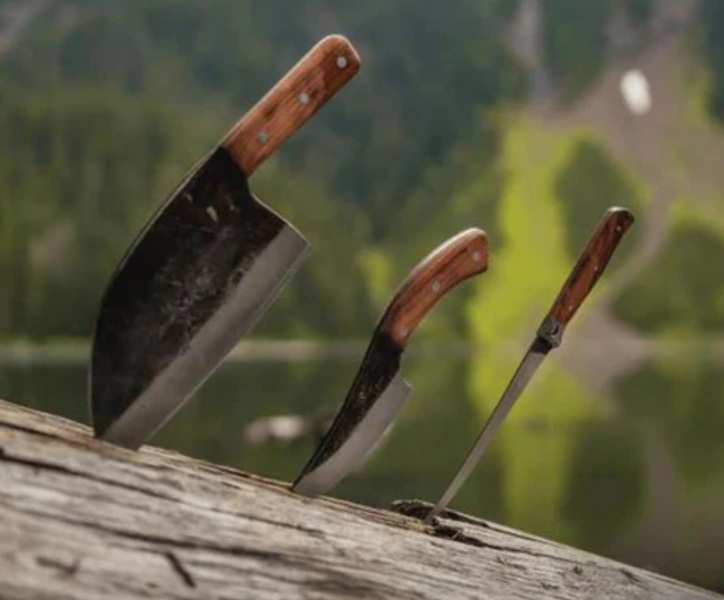
A1: For most outdoor grilling scenarios, a blade length between 4.5 to 6 inches offers a balance of control and reach for thick slices without crowding the plate. Longer blades may feel unwieldy in tight grill setups, while shorter blades can reduce leverage on larger cuts.
A2: High-carbon stainless steels (for example, 440C, VG-10, or equivalent) provide good hardness and corrosion resistance suitable for outdoor environments. Premium OEM lines may explore layered or Damascus constructions for aesthetics and performance, with the caveat of maintenance requirements.
A3: Keep blades dry after use, wipe away oils, and store in a protective sheath or case. Regular light honing on a ceramic or fine steel rod helps maintain edge. Avoid prolonged exposure to moisture and salt air; if possible, lightly oil the blade to prevent corrosion.
A4: Materials with good moisture resistance and grip, such as G-10, Micarta, stabilized wood, or reinforced polymers, perform well outdoors. Durable full-tang constructions with textured grips enhance control under greasy or wet conditions.
A5: Consider offering a modular range: varying blade lengths, edge geometries, and handle options, with configurable packaging and labeling in target languages. Ensure consistent QA, transparent lead times, and adaptable packaging to comply with regional regulations and consumer preferences.


