- All
- Product Name
- Product Keyword
- Product Model
- Product Summary
- Product Description
- Multi Field Search

Views: 222 Author: Ann Publish Time: 2025-11-10 Origin: Site


Content Menu
● Overview of Bread Knife Materials
● What is German Steel in Bread Knives?
● What is Stainless Steel in Bread Knives?
● Performance: Initial Sharpness and Edge Retention
● Durability, Maintenance and Value
● Practical Buying Considerations
● FAQ
>> Q1: What is the main difference between German steel and stainless steel in bread knives?
>> Q2: Which bread knife is best for crusty artisanal loaves?
>> Q3: Are stainless steel bread knives easier to maintain than carbon/German steel?
>> Q4: How should bread knives be sharpened and stored?
>> Q5: Can bread knives cut through heavy crust without squashing the loaf?
Bread knives are a fundamental tool in any well-equipped kitchen, balancing the need to slice crusty loaves without crushing the crumb and to perform everyday bread cutting tasks with ease. When choosing a bread knife, two material families dominate the landscape: German steel and stainless steel. This article explores how these materials influence edge retention, corrosion resistance, maintenance, and overall user experience. It is written with OEM manufacturers in mind, helping you position bread knives for international brands and retailers while maximizing SEO value around the central keyword Bread Knife.

Bread Knife materials typically fall into two broad camps: German steel blends and stainless steel alloys. German steel bread knives often emphasize high toughness, strong edge geometry, and a satisfying tactile feel when slicing. Stainless steel bread knives prioritize corrosion resistance, low maintenance, and consistent performance in mixed-use environments. The choice between these materials affects cutting behavior, longevity, and how the tool feels in hand during long prep sessions.
German steel for bread knives is usually a carbon-chromium blend engineered for balance between hardness, wear resistance, and toughness. The resulting edge can be exceptionally sharp out of the box and maintain a keen cutting angle with proper care. Typical advantages include:
- Excellent initial sharpness and precise bite through crusty bread
- Strong edge retention when maintained with appropriate sharpening practices
- A tactile, responsive cutting feel, favored by professional bakers and enthusiasts
- Generally good rigidity, which helps when slicing tough crusts without bending the blade
- Moderate ease of maintenance, noting that higher-carbon content may require careful drying and occasional oiling to prevent surface rust in humid environments
When discussing German steel in bread knives, it is common to reference industry norms and brands that emphasize toughness and edge geometry designed for bread-specific applications. For readers seeking top-tier performance, German steel often represents a premium combination of performance and durability.
Stainless steel bread knives are designed to resist rust and corrosion, a critical consideration in humid kitchens and wash-dominant usage scenarios. Stainless steel offers:
- Superior corrosion resistance, enabling easier maintenance and longer life in mixed-use kitchens
- Consistent performance with lower upkeep, including simple hand washing and thorough drying
- Good overall edge retention, though some stainless blends may require regular honing to sustain cutting prowess
- Lightweight handling in many popular designs, which can reduce fatigue during extended prep sessions
However, stainless steel can sometimes lag behind high-carbon German steels in terms of initial bite and ultimate edge-holding potential, especially when pushed hard by heavy-duty crusts or frequent sharpening. Yet modern stainless alloys and serrated patterns close much of this gap, delivering dependable performance with lower maintenance.
Initial sharpness and edge retention are often the most discussed aspects when comparing bread knives across materials. German steel bread knives tend to offer a sharper initial edge and a crisp “bite” that slices through crust with apparent ease. With proper maintenance, the edge can remain exceptionally sharp for longer periods, particularly for cooks who dedicate time to honing and periodic sharpening. Stainless steel bread knives typically come with a durable edge that may feel slightly less aggressively sharp at first but sustains usable performance with far less maintenance. The serrated geometry common to bread knives helps maintain cutting efficiency across both material categories, reducing the risk of tearing or crushing soft crumb. In practice, professional bakers may favor German steel for precision and sensitivity, while home kitchens benefit from stainless steel's low-care convenience.
Durability and maintenance profiles differ notably between German steel and stainless steel:
- German steel: High initial sharpness, strong edge retention with proper care, but higher carbon content implies more attention to rust prevention, drying after washing, and periodic oiling in humid environments. When well maintained, long-term performance can be exceptional.
- Stainless steel: Excellent corrosion resistance, easier maintenance, and generally lower risk of rust or discoloration. Edge retention is reliable, and upkeep typically involves regular sharpening or honing every so often to sustain performance. In terms of total cost of ownership, stainless steel often provides better long-term value for busy households or institutions with frequent wash-down cycles.
Ergonomics play a crucial role in bread knife satisfaction and efficiency:
- Blade geometry: Serration patterns, tooth spacing, and blade thickness influence slicing through crusts while avoiding crumb damage.
- Handle design: Balance, grip comfort, and material choice (plastic, composite, wood) affect fatigue during extended use.
- Weight distribution: Well-balanced knives reduce hand strain, especially during repetitive bread-slicing tasks.
German steel knives frequently accompany premium handle materials and full-tang constructions that enhance balance and control. Stainless steel knives often prioritize ergonomic plastic or composite handles with durable rivets and reliable grip textures, aligning with fast-paced kitchen workflows. The intended user segment—professional bakeries versus home cooks—often guides the design emphasis.
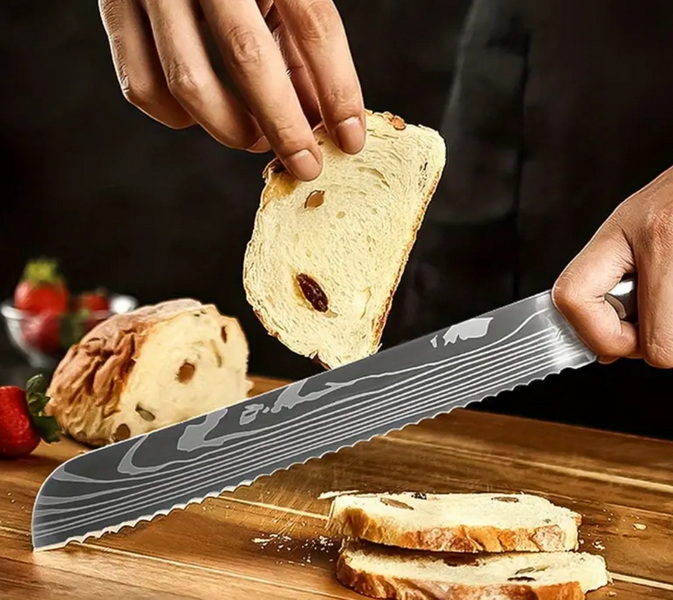
Bread knives find homes in both professional and domestic kitchens. For crusty artisanal loaves, a knife with robust edge retention and precise bite can deliver clean, even slices. For soft sandwich bread, comfortable handling and consistent performance are key. Practical care tips include:
- Cleaning: Rinse and dry promptly; avoid prolonged soaking to minimize corrosion risk for high-carbon steels.
- Drying: Thoroughly dry the blade and handle to prevent rust or staining; consider a light coat of food-safe oil for carbon steels.
- Sharpening: Hone regularly to maintain edge; schedule periodic professional sharpening if necessary.
- Storage: Store in a knife block or on a magnetic strip to protect the blade and prevent accidental contact with other utensils.
- Use: Avoid cutting hard materials like bones or frozen foods with every bread knife; reserve serrated blades for bread to extend life.
When selecting a bread knife for a global market, consider:
- Bread types common in target markets (crusty French baguettes, sourdoughs, soft sandwich loaves) and required blade dynamics.
- Maintenance willingness: whether end-users prefer lower-maintenance stainless steel or higher-performance German steel with proper care.
- Regional conditions: humidity, dishwasher use, and storage practices that influence rust risk and longevity.
- Brand positioning: premium OEM offerings might emphasize German steel with meticulous edge geometry, while value-focused lines may highlight stainless steel's corrosion resistance and ease of care.
In sum, both German steel and stainless steel bread knives have compelling advantages that suit different users and use-cases. German steel bread knives deliver exceptional initial sharpness and edge-holding potential for crusty bread enthusiasts and professionals who invest in maintenance routines. Stainless steel bread knives offer robust corrosion resistance, lower maintenance, and dependable daily performance, making them especially attractive in busy kitchens and wholesale environments. For OEM programs, the choice should align with the target market's bread profiles, maintenance expectations, and the overall value proposition. A balanced approach often combines the best of both worlds by offering stainless steel variants for markets prioritizing ease of care and German steel variants for markets seeking ultimate cutting performance and refinement.
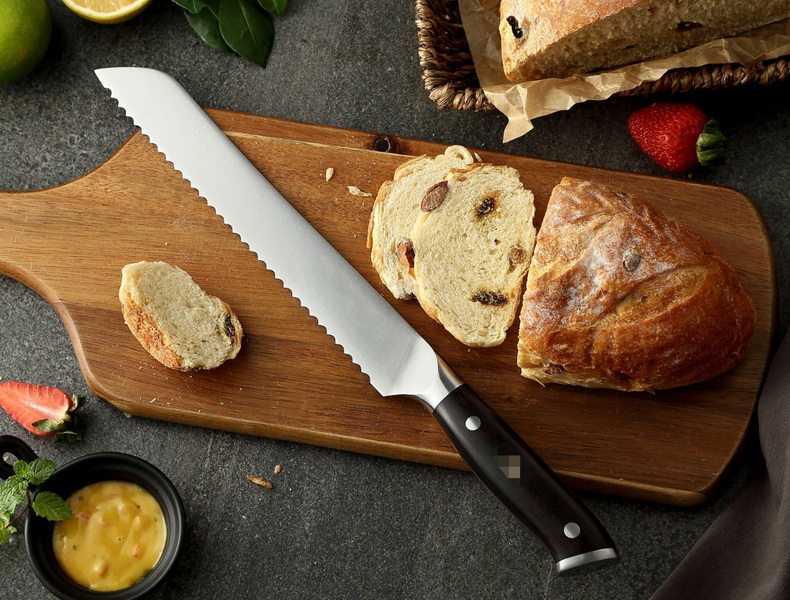
A1: German steel typically offers higher initial sharpness and edge retention with proper care, while stainless steel emphasizes corrosion resistance and lower maintenance, with edge performance that remains reliable for everyday use. Both types benefit from regular honing and careful cleaning.
A2: A bread knife made from German steel often provides a crisper bite and better edge retention for crusty loaves, especially when paired with diligent maintenance. However, high-quality stainless steel with appropriate serration can also perform exceptionally well for crusty breads in busy settings.
A3: Yes, stainless steel knives generally require less maintenance and are more resistant to rust, making daily care simpler in typical kitchen environments.
A4: Regular honing helps maintain serrated edges; professional sharpening is recommended periodically for optimal performance. Store in a knife block or on a magnetic strip, and keep blades dry to prevent corrosion.
A5: Yes, especially with well-designed serrated bread knives; the serrations grip and slice through crust while preserving crumb structure. German steel variants tend to deliver a sharper initial bite, while stainless variants offer reliable performance with easier maintenance.


