- All
- Product Name
- Product Keyword
- Product Model
- Product Summary
- Product Description
- Multi Field Search

Views: 222 Author: Ann Publish Time: 2025-11-15 Origin: Site


Content Menu
● The Value Proposition of OEM Pizza Cutter Manufacturing
● Design Fundamentals for OEM Pizza Cutters
● Materials and Process Journey
● Quality Control and Assurance
● Logistics, Supply Chain, and After-Sales
● FAQs
>> What is the lead time for OEM pizza cutter projects?
>> How is blade quality ensured in OEM pizza cutters?
>> What materials are commonly used for Pizza Cutter blades and handles?
>> Can OEM pizza cutters be color-customized?
>> Do OEM providers offer after-sales support and warranties?
In today's competitive kitchenware market, OEM partnerships empower foreign brands, wholesalers, and manufacturers to deliver high-quality Pizza Cutter products without building in-house capabilities from scratch. This expansive article delves into the strategic value of OEM pizza cutter manufacturing, exploring design principles, materials, production processes, quality control, branding advantages, and practical media strategies.
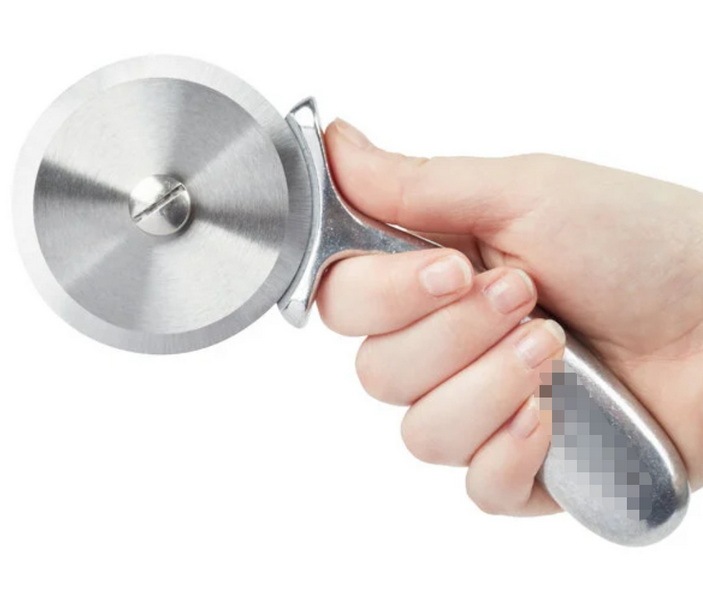
OEM partnerships allow brands to leverage established expertise, equipment, and supply chains, delivering reliable Pizza Cutter products at scale with predictable lead times. This reduces capital expenditure, accelerates time-to-market, and minimizes development risk. For brands targeting global markets, OEM arrangements provide flexibility to tailor blade geometry, handle ergonomics, coatings, and packaging to regional preferences and regulatory requirements. The right OEM partner can handle end-to-end workflows—from design and prototyping to mass production and post-sale support—freeing client teams to focus on branding, channels, and customer engagement. A well-structured OEM program also enables portfolio diversification, enabling quick introductions of new Pizza Cutter variants without reinvoking full product development cycles. The result is a faster path to market, stronger brand consistency, and improved supply resilience across regions.
- Ergonomics: Prioritize a balanced weight distribution, a comfortable grip profile, and non-slip materials to reduce fatigue during repetitive cutting tasks. A well-shaped handle supports grip security even with wet hands, enhancing user confidence and safety.
- Blade geometry: Optimize edge geometry, blade thickness, and wheel diameter to balance cutting effectiveness with resistance and longevity. The wheel should slice cleanly through varied crust textures, cheese, and toppings while resisting deformation over time.
- Materials: Choose blade materials with a strong combination of hardness, toughness, and corrosion resistance—commonly high-carbon stainless steel. Handle materials should be food-safe and durable, such as reinforced polymers, wood veneers with protective finishes, or composite blends tailored to price bands and branding goals.
- Surface finishes and coatings: Brushed or polished blade finishes can reduce food adhesion and improve cleaning. Protective coatings (where appropriate) may enhance corrosion resistance and aesthetics without compromising food safety.
- Safety integration: Incorporate guards, blade covers, and intuitive finger placements to minimize risk during use and cleaning. Safety-focused packaging and usage instructions reinforce responsible use in consumer markets.
- Branding-forward aesthetics: Align colorways, finishes, and branding elements with target markets. Consider laser-engraved logos on the blade or handle or color-matched accents to reinforce brand identity on shelf and in media.
- Production-readiness: Design with manufacturability in mind—standardized components, tolerance control, and design-for-manufacturing (DFM) considerations to minimize waste and rework. Clear BOMs and manufacturing specs accelerate supplier onboarding. These elements collectively improve yield, reduce cost-per-unit, and support consistent OEM outcomes.
- Blade composition: High-carbon stainless steels offer a balance of hardness (edge retention) and corrosion resistance. Your choice might depend on price targets and intended market expectations for sharpenability and longevity.
- Handle technologies: Polymer composites with ergonomic shaping provide washability and durability for mass-market lines. Wood accents can elevate premium segments but require sealants or coatings to withstand moisture exposure.
- Joining methods: Secure tangs, riveted or welded joints, and reliable fasteners ensure durability under repeated use and wash cycles. The finish of the joint area should minimize snagging and be easy to sanitize.
- Finishing operations: Precision grinding, beveling, and edge honning determine actual performance. Surface finishing can influence aesthetics and cleanability, so choose processes that deliver consistent results at scale.
- Coatings and protective strategies: Where applicable, coatings can augment appearance and corrosion resistance, but must be food-safe and compatible with cleaning agents. Coating choices should be evaluated for long-term wear under consumer-use conditions.
- Packaging integration: Design packaging that not only protects the product but also communicates the brand story, feature set, and care instructions. Packaging can be a powerful media asset for online listings and retail display.
- Incoming material inspection: Verify chemical composition, hardness, and surface condition of blades; confirm handle materials meet safety and durability standards.
- In-process checks: Implement dimensional checks, tolerances for wheel alignment, and assembly integrity tests to catch deviations early.
- End-user performance tests: Simulate real-world kitchen tasks—crust slicing, cheese distribution, and dough handling—to evaluate cutting efficiency and edge stability over repeated use.
- Cleaning and hygiene trials: Subject products to repeated wash cycles and exposure to common kitchen cleaners to ensure washability and finish integrity.
- Traceability and documentation: Maintain batch-level traceability for all components, including supplier certificates and production records, to support recalls, warranty claims, and regulatory audits.
- Compliance mapping: Align with regional food-safety standards and labeling requirements, documenting material safety data sheets, certifications, and testing results for each market.
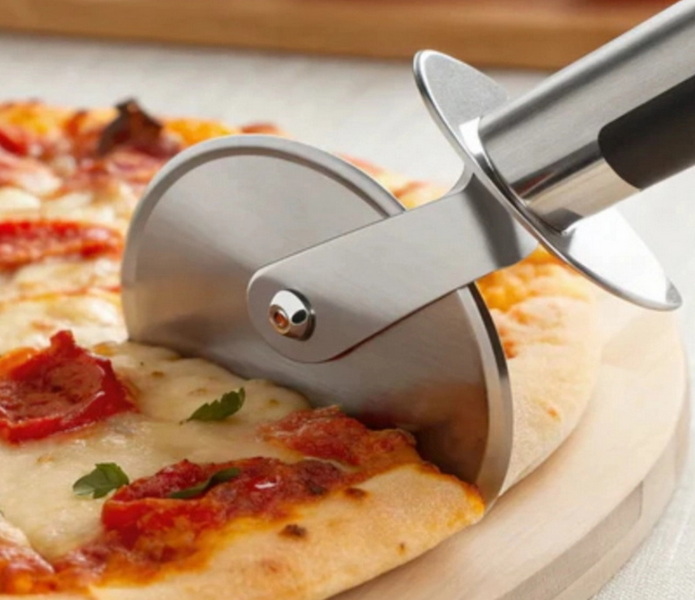
- Detailed specs and digital twins: Provide precise CAD data, material specs, finish requirements, color palettes, and performance criteria. A digital twin or 3D models can reduce iteration cycles and speed approvals.
- Prototyping and pilot runs: Begin with functional prototypes to verify form, fit, and function before committing to full-scale production. Use pilot runs to validate processes, yields, and labeling.
- Transparent communication: Establish a regular cadence of progress updates, shared dashboards, and issue-tracking to keep all stakeholders aligned.
- Intellectual property protections: Use non-disclosure agreements and clear brand usage terms to protect concepts while enabling co-branding opportunities where desired.
- After-sale and warranty strategy: Define warranty terms, spare-parts availability, and maintenance guidance to reinforce brand trust and reduce post-sale friction.
- Global supply resilience: Diversify supplier networks for raw materials to minimize disruption risk and ensure dependable lead times.
- Inventory strategy: Use regional warehouses and flexible MOQ (minimum order quantity) strategies to align with brand demand and seasonal variations.
- Logistics and packaging: Consider dual-language packaging, regulatory labeling, and tamper-evident features for multi-market distribution.
- After-sales service: Provide clear care guides, spare parts availability, and return/warranty processes to sustain customer satisfaction and brand loyalty.
A well-structured OEM pizza cutter program enables brands to scale efficiently, maintain consistent quality, and produce media-friendly assets that reinforce market presence. By fusing design excellence, material science, rigorous QA, and media-ready storytelling, foreign brands, wholesalers, and manufacturers can transform a practical kitchen tool into a powerful brand ambassador across regions. The OEM approach reduces risk, accelerates time-to-market, and supports sustainable growth through repeatable processes and strong after-sales support. For brands ready to elevate their Pizza Cutter offerings, initiating a tailored OEM collaboration plan—covering blade geometry, handle ergonomics, coatings, packaging, and media production—can deliver measurable improvements in product performance, consumer satisfaction, and channel success.
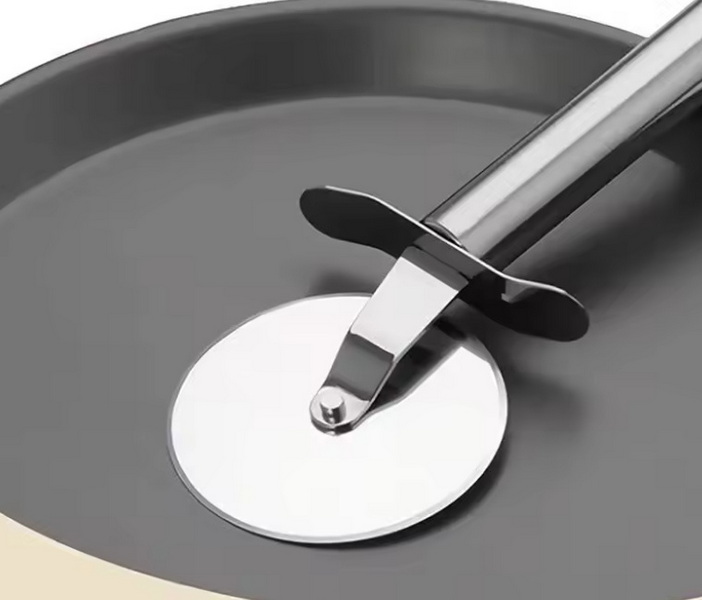
Lead times vary by order size, customization depth, and factory capacity. Pilot runs can take weeks, with full-scale production typically following after final specs are locked, often within a few months. [H3-style guidance]
Quality is ensured through controlled heat treatment, hardness validation, edge inspection, and batch traceability, complemented by supplier qualification and ongoing QA reviews.
Blades commonly use high-carbon stainless steel for edge retention and corrosion resistance; handles use polymers, wood, or composites to balance ergonomics, aesthetics, and washability.
Yes. Color customization spans handles, coatings, and packaging artwork to align with brand identity and regional preferences.
Reputable OEM partners provide maintenance guidance, spare parts availability, and warranty terms aligned with market standards.


